
The Rise of Digital Nomadism: Redefining Work and Wanderlust
Why Remote Working and Technology Are Paving the Way for a World Lifestyle Revolution
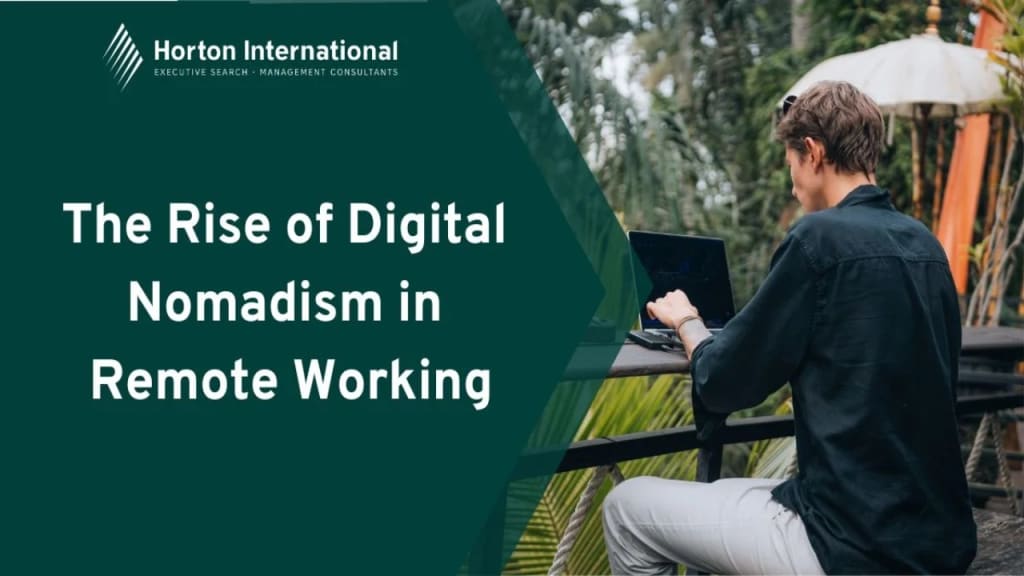
It is the year 2025, and the world is witnessing a radical transformation in the way we define work, travel, and individual freedom. Digital nomadism—a lifestyle where individuals utilize technology to work from anywhere while they travel around the world—has been the most discussed topic of the times. Fueled by advancements in communication tools, a growing acceptance of remote work, and a collective yearning for freedom post-pandemic, digital nomadism is no longer a niche subculture but a mainstream movement. This article explores why this lifestyle is captivating millions, its challenges, and what it means for the future of work and travel.
The Perfect Storm: Why Digital Nomadism Is Booming
The seeds of digital nomadism were planted during the COVID-19 pandemic, when remote work became a requirement and not a benefit. Zoom, Slack, and Notion were terms that suddenly entered every home, making seamless collaboration across continents easy. As of 2025, over 40 million people worldwide are counted as digital nomads, according to a recent MBO Partners report. The boom is attributed to several drivers:
Technology as the Great Enabler: High-speed Internet, cloud tools, and AI-powered productivity applications have enabled people to work from almost anywhere. Starlink's worldwide satellite internet has even provided connectivity to far-flung places such as the Sahara Desert or the Amazon rainforest.
Workplace Cultural Changes: The traditional 9-to-5 office model is in decline. Companies like GitLab and Automattic have no offices whatsoever, and even traditional corporations have flexible or remote work policies in place. Such a model has empowered employees with the ability to choose lifestyle over location.
Wanderlust with a Purpose: Millennials and Gen Z, who make up the bulk of digital nomads, desire experiences over possessions. Social media like Instagram and TikTok enhance this, as they show influencers coding in Balinese cafes or building websites in Moroccan riads.
Government Incentives: Portugal, Thailand, and Costa Rica have introduced digital nomad visas, offering tax relief and streamlined residency processes to attract remote workers. These visas have turned Lisbon and Chiang Mai into nomad centers.
The Allure of the Nomad Life
For many, digital nomadism is the ultimate dream: sipping coffee in a Parisian café one week and surfing in Bali the next, all while working. The lifestyle offers freedom, travel, and the potential to create a life of your choosing. Take Sarah, a 29-year-old graphic designer from California, who told her story on Vocal Media: "I was trapped in a cubicle, yearning for the globe. Now, I work from Airbnbs in Europe and Southeast Asia. I've never felt more alive."
Apart from the Instagram selfie sessions, there are genuine benefits to digital nomadism. It provides an opportunity for cultural immersion, with nomads living like locals, learning languages and traditions. It also promotes economic savvy—nomads relocate to countries with cheaper living costs, getting more mileage out of their dollars. For start-up entrepreneurs and freelancers, the lifestyle is in sync with the gig economy, with Upwork and Fiverr providing an endless source of work.
The Challenges: It's Not All Sunsets and Smoothies
Apart from the charm, digital nomadism also comes with its set of problems. This lifestyle demands discipline, adaptability, and resilience. Some of the most frequent issues are:
Loneliness and Burnout: Ongoing travel exhausts relationships and induces loneliness. The pressure to remain productive while exploring new places typically results in burnout.
Logistical Nightmares: Navigating visas, taxation, and healthcare across borders is complex. A sudden loss of Wi-Fi or a lost flight can cause work deadlines to tumble.
Environmental Impact: Regular travel and repeated flights have come under criticism for their carbon footprint. Most nomads are shifting to slow travel, staying longer at a place to keep their ecological footprint small.
Economic Pressures: Locals in trending digital nomad hubs tend to resent the presence of remote workers, who tend to drive up rents and living expenses. This has fueled controversy over the ethics of digital nomadism in places like Mexico City and Medellín.
The Future of Digital Nomadism
With its growth, digital nomadism is reshaping industries and economies. Shared work space providers like WeWork and Selina are expanding internationally to accommodate this workforce in motion. Travel operators are offering nomad packages that pair accommodations, offices, and social activities. And blockchain platforms are emerging to optimize cross-border payment and contracts for freelance workers.
The trend is also affecting urban planning. Cities are competing to become nomad-friendly by constructing high-speed internet and affordable housing infrastructure. One Year Remote Work Visa in Dubai and Barbados' Welcome Stamp are the best examples of this trend.
For people, digital nomadism is a chance to reengineer success. It's a matter of prioritizing experience, flexibility, and self-growth over convention beacons such as homeownership or climbing corporate ladders. But it's not for everyone. The lifestyle requires financial stability, a portable skill set, and the ability to cope with uncertainty.
How to Get Started
If the nomad life calls, start small. Try remote work from a nearby city first before jumping to international travel. Acquire a skill like web development, copywriting, or digital marketing—high-demand remote skills. Join communities online like Nomad List or Digital Nomad Girls for advice and support. Most importantly, prepare for the logistics: get travel insurance, do research on visa requirements, and invest in good tech.
A Lifestyle Revolution
Digital nomadism is not just a fad; it's a cultural shift that defies traditional ideas of work and success. It's a reflection of human resilience, fueled by technology and a shared need for freedom. Though the journey isn't always easy, the payoff—cultural depth, self-improvement, and unmatched flexibility—is undeniable. As the world increasingly adopts this lifestyle, one thing is certain: the future of work is borderless, and the digital nomad is at the forefront.
About the Creator
Keep reading
More stories from Shahjahan Kabir Khan and writers in Journal and other communities.
Echoes from a Caged Coast
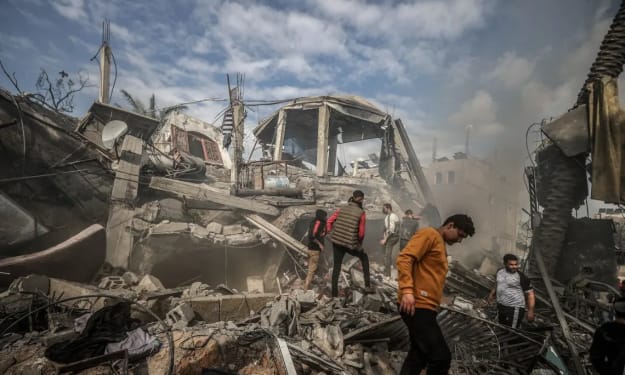
The Gaza Strip, a narrow piece of land along the Mediterranean coast, has long been at the heart of one of the world's most enduring and volatile conflicts. The Gaza issue is not merely a regional dispute between Israelis and Palestinians but a deeply rooted crisis shaped by history, geopolitics, human rights concerns, and cycles of violence that have persisted for decades.
By Shahjahan Kabir Khan11 months ago in Journal
Author’s Advice
If you would’ve asked me 20 years ago did I know I’d become a writer and an author, I would’ve said “nope, ain’t happening”. As fate would have it I did become an author and I can honestly say I’m loving it so far. It really does feel good to be a writer. I’ve learned a lot on this journey and I feel like with even me being as new to this world as I am, there’s some wisdom I need to share with every other aspiring author.
By Joe Patterson3 days ago in Journal
Choosing The Right Recovery Property
Introduction Selecting the right property is one of the most important decisions when starting a recovery housing or sober living program. The property must support a safe, stable, and supportive environment for residents who are working toward long-term recovery. Choosing an appropriate location and facility layout can significantly influence the success of the program, resident satisfaction, and overall operational efficiency. Careful planning ensures that the property meets both regulatory requirements and the practical needs of residents and staff.
By Abdul Mueed4 days ago in Journal



Comments
There are no comments for this story
Be the first to respond and start the conversation.