
The Retro Mechanism Revival: Tin Clockwork Toy Theme Amusement Ride Design
Reimagining Nostalgia Through Mechanical Fantasy in Modern Amusement Ride Design
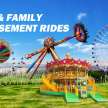
In an era dominated by digital entertainment and high-speed simulations, a curious design trend has emerged at the heart of modern amusement parks: the resurrection of tin clockwork toy aesthetics. Drawing inspiration from early 20th-century mechanical playthings, these retro-themed amusement rides evoke a sense of crafted nostalgia, while leveraging contemporary engineering. The juxtaposition of handcrafted visual styles with advanced mechanics has created an engaging spectacle—an anachronistic charm in a world obsessed with sleek minimalism.
Mechanical Whimsy Meets Modern Engineering
Tin clockwork toys, characterized by their intricate gears, painted metal bodies, and wind-up mechanisms, serve as the thematic bedrock of this new genre of amusement rides. Their influence is seen across multiple platforms—most notably in the swing tower and carousel ride—two foundational attractions that have received a complete stylistic overhaul under this thematic vision.
In the case of the swing tower, developers have embraced exaggerated, toy-like proportions and finishes. Metallic panels are painted to mimic lithographed tin sheets, embellished with bold primary colors and meticulous detailing. Structural arms, mimicking the coiled springs and levers found in antique toys, encase the ride’s mechanical systems. At a glance, the tower looks more like an oversized museum piece than a kinetic thrill machine—until it begins its ascent, punctuated by ticking sound effects that replicate the winding of a mechanical key.
This calculated interplay of motion and sound serves both aesthetic and psychological purposes. It immerses the rider in a pseudo-mechanical world, one in which the machinery appears to operate not through electricity and hydraulics, but by the whim of clockwork and gear trains. The illusion, while wholly artificial, is compelling.
Carousel Ride: Reinterpreting a Classic
The carousel ride, already a nostalgic emblem in the amusement ride repertoire, lends itself perfectly to the tin clockwork theme. Instead of the traditional painted horses and organ music, these rides adopt a more kinetic visual language. Each mount is designed to resemble a moving part in a grand automaton—brass levers, riveted panels, and faux enamel details dominate the visual palette. Riders may find themselves astride mechanical frogs with visible piston-like legs or giraffes that nod with gear-synchronized heads.
Importantly, the movement mechanics of the carousel ride are not simply hidden beneath decorative elements—they are showcased. Clear polycarbonate panels provide visibility into rotating gear assemblies, intentionally exposed flywheels, and reciprocating arms. Even the ride’s center post might resemble a vertically stacked array of flywheels and escapements.
All this serves to reinforce the fantasy of riding within a giant mechanical toy. At night, LED lighting, designed to resemble incandescent bulbs, gives the illusion of an early electrical age marvel. The entire experience is curated for visceral effect—sound, motion, and sight harmonized to produce a sustained illusion.
Material and Fabrication Techniques
While the aesthetics hinge on historical references, the fabrication methods are firmly rooted in 21st-century technology. Advanced CNC milling and 3D printing allow designers to replicate the look of hand-formed tinplate with remarkable fidelity. High-strength polymers, painted to appear like lacquered metal, reduce structural weight while increasing resistance to corrosion and wear.
The illusion of handcrafted metal is carefully maintained through surface treatments. Powder-coating processes give structural frames a vintage finish, while laser-etched details recreate the precise, repetitive embellishments once stamped onto real tin toys. Manufacturers use custom tooling to form large decorative panels that simulate pressed sheet metal.
Additionally, auditory enhancements such as synchronized ticking, winding, and gear-grinding effects are embedded into the ride’s operating system. These are not incidental; they are choreographed components, reinforcing the thematic integrity of the attraction.
User Experience and Psychological Impact
The tin clockwork motif delivers more than just visual delight. It taps into a shared cultural memory of pre-digital simplicity. Visitors often describe these rides as whimsical, but also oddly contemplative. The mechanical illusion brings forth associations of craftsmanship, predictability, and physicality—qualities that have grown rare in the age of algorithms and abstraction.
By mimicking the mechanical transparency of toys from another era, these rides also foster a greater sense of trust. Riders see "how it works," even if what they see is stagecraft. This perceived openness, coupled with the exaggerated proportions and familiar visuals, lowers psychological barriers, especially for younger children and older generations who may find other thrill rides intimidating or overly aggressive.
Integration in Theme Parks
Tin clockwork toy-themed amusement rides are increasingly being implemented as focal points in themed lands or seasonal installations. Due to their universal appeal and relatively gentle ride dynamics, they function as anchor attractions within mixed-age family zones.
The swing tower, in particular, benefits from vertical visibility. Its silhouette—reminiscent of a child’s wind-up toy given scale—serves as a navigational beacon within the park. Its auditory profile (a calculated blend of clicks, ratchets, and soft chimes) further distinguishes it from the white-noise hum of more conventional steel coasters.
Meanwhile, the carousel ride functions as a kinetic sculpture. When inactive, it resembles an art installation. When in motion, it becomes an intricate dance of metallic parts and synchronized rhythms. The result is a destination within the park that offers both participatory engagement and passive spectacle.
Market Demand and Economic Viability
The adoption of the tin clockwork aesthetic is not merely stylistic. It also offers strong returns on investment. The rides, while highly stylized, often cost less to theme than fully immersive digital attractions, which require extensive back-end infrastructure and ongoing technical maintenance. The low-tech illusion of high-tech motion—paradoxically—is more cost-efficient.
Furthermore, the demographic reach of these rides is broad. They attract children, vintage enthusiasts, and adults seeking novelty without extreme intensity. This wide appeal translates to consistent ridership and merchandise opportunities, particularly when rides are paired with themed retail areas offering miniatures, replicas, and branded accessories styled after the tin toy concept.
Conclusion
The tin clockwork toy theme is more than a passing amusement trend. It is a calculated aesthetic renaissance—an industrial fantasy that offers both technical novelty and emotional resonance. Whether in the form of a towering swing tower or a gear-laden carousel ride, these attractions combine visual nostalgia with mechanical illusion, crafting a unique entertainment experience that feels both antique and strangely futuristic.
Amusement design, it seems, has found a new way forward—by winding back the clock.
About the Creator
Beston Amusement Rides
As a leading amusement facility manufacturer, we provide safe and interesting amusement equipment to customers around the world, including roller coasters, Ferris wheels, pirate ships and so on.
Website:https://bestonamusementrides.com/
Keep reading
More stories from Beston Amusement Rides and writers in Journal and other communities.
Green Imagination: Exploring the Environmental Education Value of the Plant-Themed Interactive Installation
In an era increasingly shaped by ecological uncertainty, immersive installations centered on nature offer a vital conduit for environmental education. Among these, plant-themed interactive installations provide more than entertainment; they foster a visceral understanding of ecological interdependence. By engaging the senses, these installations enable the public—particularly younger audiences—to connect with the natural world in both novel and intuitive ways.
By Beston Amusement Rides8 months ago in Journal
Author’s Advice
If you would’ve asked me 20 years ago did I know I’d become a writer and an author, I would’ve said “nope, ain’t happening”. As fate would have it I did become an author and I can honestly say I’m loving it so far. It really does feel good to be a writer. I’ve learned a lot on this journey and I feel like with even me being as new to this world as I am, there’s some wisdom I need to share with every other aspiring author.
By Joe Patterson3 days ago in Journal
Reasons Why Sinners and Frankenstein Could Win the Oscar for Best Picture
Horror fans are in luck: this year, two horror films are in the running for the Oscar for Best Picture. As if that weren't enough, both films have multiple nominations for this award. This year, Sinners, a gothic horror film, has been crowned the film with the most nominations in Oscar history. This movie received 16 nominations, an absolute record that never ceases to amaze.
By Ninfa Galeanoa day ago in Journal
The First Rainbow Baby
Pitter-patter, pitter-patter. The rain fell in rhythmic splatters, slowly slowing, but still constant. Mira rolled onto her side pulling the blanket tight against her ears, but still she could hear chitter-chatter and scurrying feet of the creatures that refused to sleep in the lower decks.
By A. J. Schoenfelda day ago in Fiction




Comments
There are no comments for this story
Be the first to respond and start the conversation.