
The prevalence and impact of cyberbullying on adolescents
Introduction

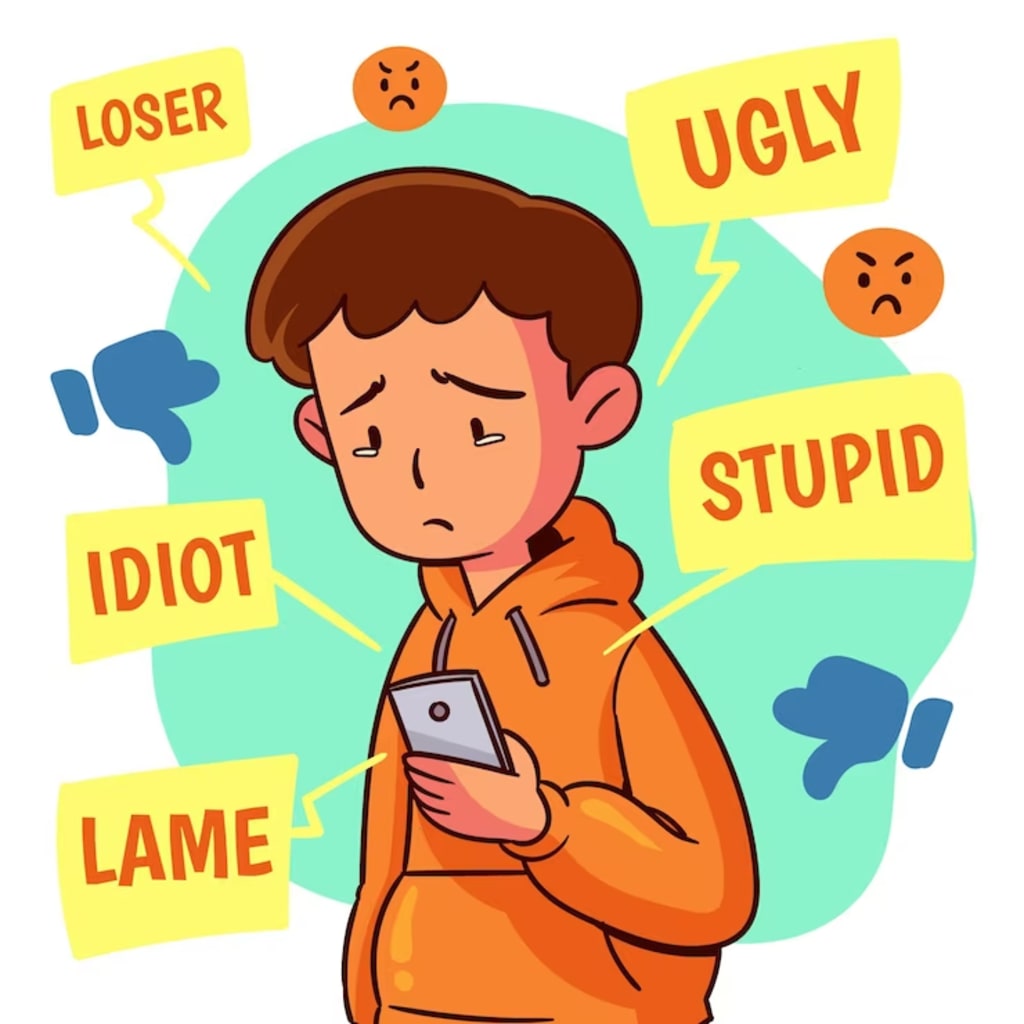
Cyberbullying has become a prevalent issue in today's society, particularly among adolescents. With the widespread use of technology and social media platforms, it is easier than ever for bullies to torment and harass their victims online. Cyberbullying refers to any kind of bullying or harassment that takes place through electronic communication devices, such as smartphones, computers, tablets, and gaming consoles. It can include a range of behaviors, such as sending hurtful messages, sharing embarrassing photos or videos, spreading rumors, and creating fake profiles. The purpose of this article is to provide an overview of the prevalence and impact of cyberbullying on adolescents.
Prevalence of Cyberbullying
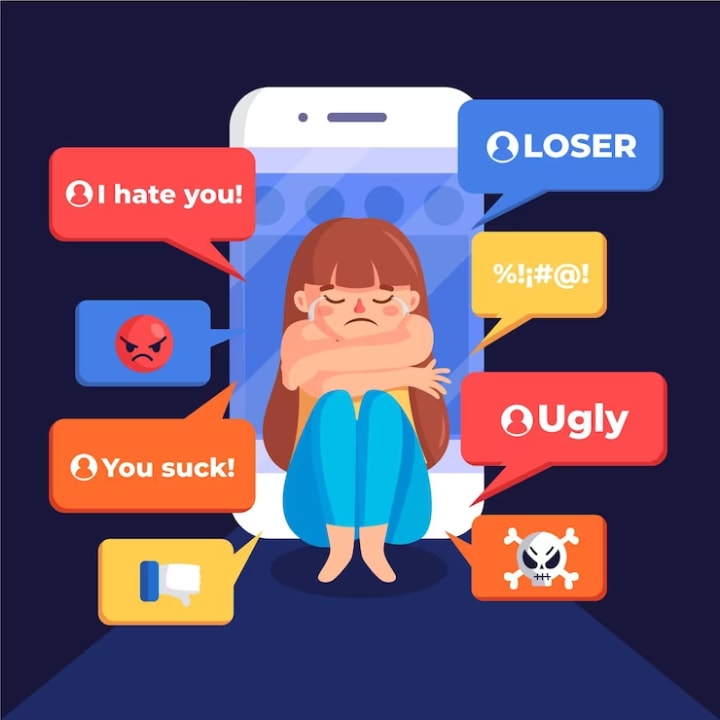
Several studies have shown that cyberbullying is a widespread problem among adolescents. According to a 2020 study by the Cyberbullying Research Center, approximately 34% of students in the United States reported experiencing cyberbullying at least once in their lifetime (Hinduja & Patchin, 2020). Another study by the Pew Research Center found that 59% of US teens have experienced at least one of six types of abusive online behaviors, including name-calling and spreading false rumors (Lenhart, 2015).
Cyberbullying can occur through various forms of technology, including social media platforms, text messages, and email. Social media platforms, in particular, have become a common venue for cyberbullying. A study by the National Center for Education Statistics found that among middle and high school students who reported being bullied online, 75% said it happened on Facebook (Baumgartner et al., 2014).
Impact of Cyberbullying
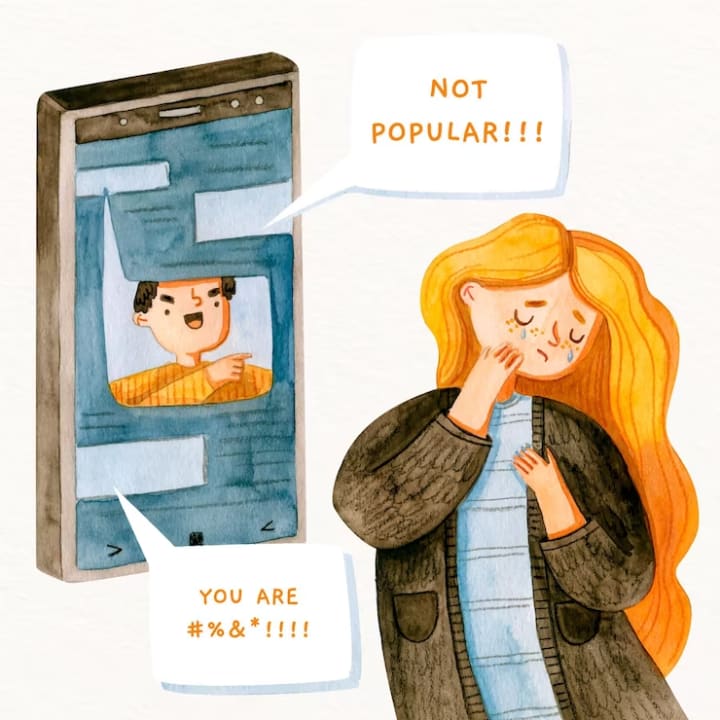
Cyberbullying can have severe and long-lasting impacts on the mental health and well-being of adolescents. Victims of cyberbullying may experience anxiety, depression, and low self-esteem. They may also have difficulty sleeping, eating, and concentrating in school. In extreme cases, cyberbullying can lead to suicidal ideation and attempts.
Moreover, cyberbullying can have a negative impact on a victim's social life. They may become isolated from their friends and family, and they may also experience difficulties in making new friends. Cyberbullying can also affect their academic performance, causing them to miss school, fall behind in their studies, and lose interest in learning.
Cyberbullying can also have a significant impact on the mental health and well-being of the bully. Research has shown that bullies may be more likely to engage in risky behaviors, such as drug and alcohol abuse, and may also experience difficulty forming and maintaining healthy relationships in adulthood (Bauman et al., 2013).
Prevention and Intervention
Preventing and addressing cyberbullying requires a multi-faceted approach. Educating students, parents, and teachers about cyberbullying and its effects is crucial. Schools can provide resources for students who experience cyberbullying, such as counseling services and support groups. Parents can monitor their children's online activities and talk to them about responsible online behavior. Additionally, social media platforms can take steps to prevent cyberbullying, such as providing tools for reporting and removing offensive content.
Intervention is also essential in addressing cyberbullying. Schools should have clear policies in place for handling instances of cyberbullying and should take appropriate disciplinary action against bullies. Additionally, victims of cyberbullying should be provided with support and resources to help them cope with the effects of bullying.
Conclusion
Cyberbullying is a pervasive problem among adolescents, with a significant impact on their mental health and well-being. It is essential to raise awareness about the issue and to take steps to prevent and address cyberbullying. Parents, teachers, and social media platforms can play an essential role in preventing cyberbullying by educating adolescents about responsible online behavior and providing resources for those who experience cyberbullying. Schools should have clear policies in place for handling instances of cyberbullying and should take appropriate disciplinary action against bullies. Victims of cyberbullying should be provided with support and resources to help them cope with the effects of bullying.
It is also important to recognize that cyberbullying is not just an adolescent problem. Adults can also experience cyberbullying, particularly in the workplace and on social media platforms. Therefore, it is essential to address cyberbullying as a societal issue and to promote responsible and respectful online behavior.
In conclusion, cyberbullying is a significant problem that affects the mental health and well-being of adolescents. It is essential to raise awareness about the issue and to take steps to prevent and address cyberbullying. By working together, parents, teachers, social media platforms, and society as a whole can create a safer and more respectful online environment for everyone.
About the Creator
RS Creation
Search makes a person perfect, and in today's modern technology world, new information is learned through search.
He is created as a man. I am happy to share with you the many information that I have read and learned through my search.
Keep reading
More stories from RS Creation and writers in Journal and other communities.
The effects of video game addiction on academic performance among high school students
Introduction: Video games have become a popular form of entertainment and leisure activity, especially among the youth. However, as with any form of leisure activity, video games can become addictive, leading to negative effects on the academic performance of high school students. This article will explore the effects of video game addiction on academic performance among high school students.
By RS Creation 3 years ago in Journal
Silent Happy Hours: The $2.1 Trillion Question
The first time you realized alcohol was more than “just a drink” probably didn’t happen in a boardroom. It was in the quiet click of a bottle cap after a long day, the nervous clink of glasses at a first date, or the way a wedding dance floor transformed right after the bar opened.
By james robert7 days ago in Journal
My New Book is Finally Here
My poetry collection Beautiful and Brutal Things is done. It's actually done and finally published over 270 pages. Over a year of my life went into this book. More than a year, really. Long days at my computer, sometimes seven days a week because I couldn't stop even when I probably should have. Then two months of editing that felt harder than the writing itself. But it's finished, and I'm still standing, and the book is real.
By Tim Carmichaela day ago in BookClub



Comments
There are no comments for this story
Be the first to respond and start the conversation.