
The Perilous Gamble: How 'Joker: Folie à Deux's' Astronomical Budget Risks Box Office Calamity
As Todd Phillips' sequel embraces a bold musical twist and an inflated budget, the film faces the high-stakes challenge of living up to its groundbreaking predecessor and avoiding box office disaster.

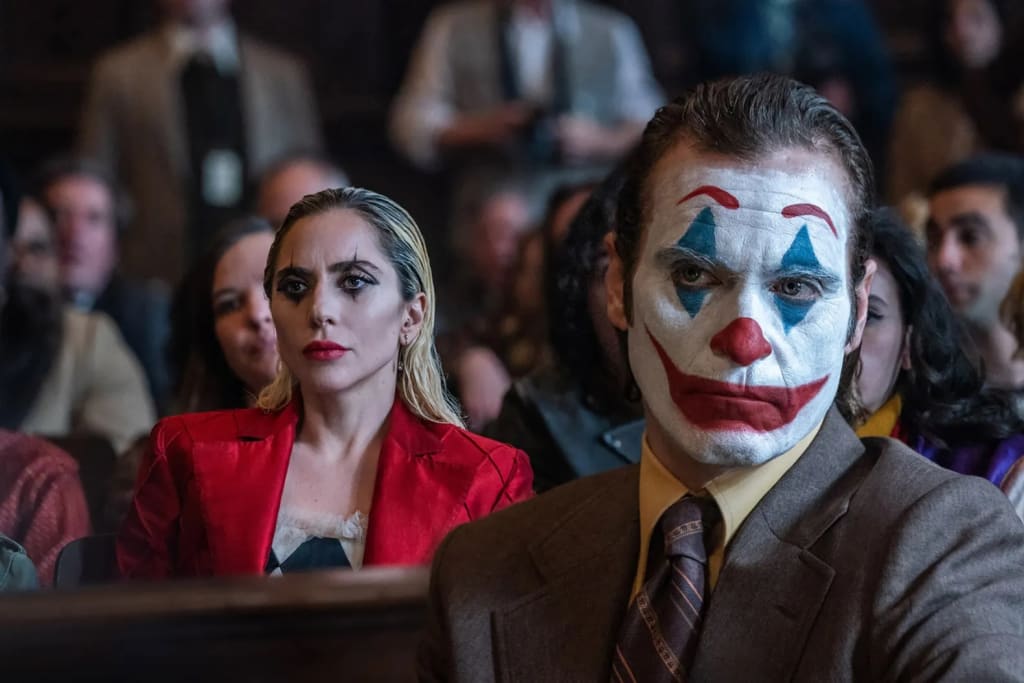
When Joker hit theaters in 2019, no one could have predicted the seismic shift it would cause. An R-rated, gritty, and deeply psychological character study, directed by Todd Phillips and starring Joaquin Phoenix, the film shattered expectations. It grossed over a billion dollars globally, making it the highest-grossing R-rated film in history. Along with critical acclaim, Phoenix’s portrayal of Arthur Fleck earned him an Academy Award, cementing *Joker* as a cultural phenomenon.
Fast forward to Joker: Folie à Deux, the much-anticipated sequel. While many are eager to return to the dark, chaotic world of Gotham, there’s one element causing considerable trepidation: the film’s staggering budget. Reportedly pushing past $150 million, the figure raises an eyebrow in an era where Hollywood blockbusters are becoming increasingly high-stakes gambles. For a film that operates outside the traditional superhero framework, this inflated price tag could spell disaster if it doesn’t resonate with audiences. Let’s take a closer look at why *Joker: Folie à Deux* is both a daring move and a potentially perilous gamble for Warner Bros.
The Allure of the Original
Part of what made the original Joker so successful was its relatability in a fractured, modern world. Phillips took the foundations of a comic book character and gave them an existential twist, crafting a narrative that explored mental health, societal alienation, and the dangerous intersection of the two. It was a low-budget affair by today’s standards, costing roughly $55 million. Its gritty, indie sensibility was part of its charm—it didn’t rely on CGI spectacle or explosions but on Phoenix’s haunting performance and a script that felt grounded in reality.
The financial success of the first film, however, raised expectations for the sequel. Joker: Folie à Deux comes with a price tag that triples its predecessor’s budget, putting it squarely in the realm of major blockbusters. But with that new level of expectation comes the risk. In a cinematic landscape dominated by superhero films packed with action sequences and flashy visual effects, will this sequel be able to recapture the raw emotional intensity of the first Joker while justifying its ballooning cost?
Why the Budget Has Skyrocketed
There are a few key reasons why Folie à Deux is far more expensive than its predecessor. First, Phoenix’s star power has significantly risen post-Joker, and he’s reportedly commanding a much higher salary. There’s also the addition of Lady Gaga to the cast, playing the role of Harley Quinn. Lady Gaga isn’t just a performer she’s a global pop icon, and her paycheck is reflective of her stature.
Second, the decision to make Folie à Deux a musical—a daring move, no doubt—adds layers of complexity. Musicals are typically more expensive due to the intricate choreography, rehearsals, and production design required to integrate musical numbers into a feature film. Gaga’s involvement further ups the ante, as her scenes will likely involve grand, elaborate performances, which don’t come cheap. From a technical standpoint, the inclusion of music means additional time in pre-production, sound design, and post-production editing, all of which inflate the film’s budget.
Lastly, with the massive success of the original Joker, expectations for the sequel’s global marketing are at an all-time high. Warner Bros. is unlikely to hold back on a worldwide promotional campaign, complete with viral marketing, merchandise, and multimedia partnerships. The studio’s significant investment in pre-release marketing will also eat into that massive $150 million-plus figure.
The Risk Factor: Can Folie à Deux Justify Its Budget?
The most pressing concern for Joker: Folie à Deux is whether the audience who championed the first film will return for the sequel, especially given the drastic tonal shift into a musical format. Audiences went into the first *Joker* expecting a comic-book movie but got a bleak psychological drama instead. It thrived because of this subversion of expectations. But with *Folie à Deux*, there’s a real danger that the very elements that made the original resonate with audiences could be undermined by the extravagance of the sequel’s new musical direction.
Musicals are notoriously tricky. When done right, as in the case of La La Land or *The Greatest Showman*, they can captivate audiences across demographics. But when they misfire Cats and In the Heights come to mind—the results can be disastrous both critically and commercially. The tonal leap from a psychological thriller to a musical could alienate some of the core fan base that Joker built, particularly those who appreciated the film for its gritty, realistic depiction of a man on the brink of collapse.
Moreover, the economics of modern cinema have shifted dramatically since 2019. The post-pandemic box office is volatile. Audiences have become more selective about what they’re willing to spend money on, often preferring streaming over theater-going unless the film feels like a “must-see” event. Theatrical releases that would have once been surefire hits are no longer guaranteed to bring in big numbers. Warner Bros. needs Folie à Deux to perform extraordinarily well to break even, let alone achieve the success of its predecessor.
What Happens if It Fails?
If Folie à Deux falters, it could have a ripple effect not only on Warner Bros. but on the broader film industry’s willingness to take risks on unconventional, high-budget projects. Studios have become increasingly risk-averse in recent years, leaning on tried-and-true franchises, sequels, and reboots to ensure box office returns. A flop of this magnitude could convince executives that investing heavily in a dark, subversive project like Joker isn’t worth the risk.
On the other hand, if the film does succeed, it could pave the way for more genre-bending blockbusters, where massive budgets are paired with daring creative choices. Success would affirm that audiences are willing to embrace projects that defy the typical Hollywood formula, opening the door for more experimental and bold storytelling in mainstream cinema.
The Box Office Gamble
At the end of the day, Joker: Folie à Deux represents one of the biggest box office gambles of the next few years. It’s banking on the momentum of the original while leaping into a new genre, driven by a star-studded cast and grand production values. The film’s success will depend on its ability to resonate with a wide audience, balancing the intensity that defined Joker with the spectacle of a musical.
If Phillips and his team can pull off this precarious balancing act, Folie à Deux could not only match the financial and critical success of the original but also push the boundaries of what big-budget films can achieve. However, if the bet doesn’t pay off, it could serve as a sobering reminder of the dangers inherent in betting big on unconventional ideas.
For now, the fate of *Joker: Folie à Deux* hangs in the balance, a ticking time bomb of potential box office glory—or calamity.
About the Creator
Muhammah Hanzalah
Passionate about history and culture. Join me on Vocal Media for captivating insights into hidden historical gems and diverse cultural traditions. Let's explore the rich tapestry of our shared heritage and artistic expressions.
Keep reading
More stories from Muhammah Hanzalah and writers in Journal and other communities.
Frontline Defense: The Proactive Approach in Cybersecurity
In the modern digital age, businesses face an ever-growing array of cyber threats, and traditional reactive approaches are no longer sufficient. Cyberattacks have become more sophisticated, relentless, and widespread, often with devastating consequences for organizations that are unprepared. This is why the concept of "Frontline Defense" has become central to the strategies employed by cybersecurity professionals. The term underscores a proactive approach, focusing on anticipating, detecting, and neutralizing threats before they can cause harm. In this article, we will explore the critical importance of proactive defense in cybersecurity, the methodologies and technologies used in such an approach, and why it is becoming the bedrock of cybersecurity programs globally.
By Muhammah Hanzalahabout a year ago in Journal
Beyond the Balance Sheet: The Evolving Role of the Chief Financial Officer
The responsibilities of a Chief Financial Officer have changed considerably over time. While financial accuracy and compliance remain important, many organizations now rely on CFOs for much more than reporting. Today’s financial leaders are expected to contribute to planning, risk assessment, and long-term stability. This broader role reflects how businesses increasingly recognize finance as a tool for clarity rather than control.
By ORM_Specialist6 days ago in Journal


Comments
There are no comments for this story
Be the first to respond and start the conversation.