
The One Move by Ratul Puri That Has Every Investor Rewriting Their Energy Playbook
The One Move by Ratul Puri That Has Every Investor Rewriting Their Energy Playbook

In the fast-evolving world of energy, where sustainability and innovation intersect, Ratul Puri, the Current Chairman of Hindustan Power, has made a game-changing move that is making waves across the investment community. His visionary strategy is compelling investors to rethink their entire approach to energy investments, particularly in India’s burgeoning clean energy sector.
This article explores the specifics of Ratul Puri’s latest strategic shift, its impact on investors, and how it is shaping the future of the energy industry. If you want to understand what’s driving this transformation and why it matters to stakeholders across the globe, you’re in the right place.
Who Is Ratul Puri?
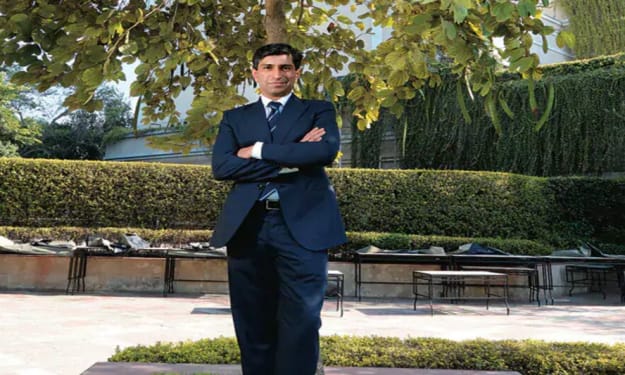
Ratul Puri is a dynamic business leader and the Current Chairman of Hindustan Power, a company deeply involved in India’s energy infrastructure. Under his leadership, Hindustan Power has expanded its footprint across thermal, solar, and hydroelectric projects, spearheading sustainable growth in the power sector. Puri’s knack for blending technological innovation with practical business strategies has made him a respected figure in energy circles.
The Energy Investment Landscape: Setting the Stage
India is on the cusp of an energy revolution, aiming to generate 500 GW of renewable energy by 2030 as part of its commitment to net-zero carbon emissions by 2070. This ambitious target aligns with global efforts to combat climate change and transition to cleaner power sources.
Despite the growth potential, energy investments remain complex due to challenges like renewable intermittency, regulatory uncertainties, and infrastructure constraints. Investors are therefore on the lookout for solutions that balance profitability with sustainability and risk management.
Ratul Puri’s Game-Changing Move: Embracing Hybrid Power Projects
The centerpiece of Ratul Puri’s latest strategy is a decisive shift towards hybrid power projects — integrated energy plants combining solar, wind, and battery storage technologies. This innovative approach aims to overcome the limitations of traditional single-source renewable plants by providing a steady, reliable supply of clean energy.
Why Hybrid Power Projects?
One of the biggest hurdles in renewable energy is the intermittent nature of solar and wind power. They depend on weather conditions and time of day, causing fluctuations in power generation that challenge grid stability. By integrating battery storage and combining multiple renewable sources, hybrid power plants can deliver continuous energy, minimizing downtime and improving overall efficiency.
Scale and Ambition
Hindustan Power plans to invest over $1 billion in hybrid power projects across several Indian states. The goal is to develop more than 1,500 MW of hybrid capacity in the next five years, positioning the company as a leader in next-generation renewable energy infrastructure.
How This Move Is Rewriting the Investment Playbook
1. Reducing Investment Risks
Hybrid power projects significantly lower risks associated with power intermittency and regulatory changes. This stability attracts investors who seek dependable returns in a volatile energy market.
2. Enhancing Financial Returns While Meeting ESG Goals
By combining multiple energy sources, hybrid plants increase capacity utilization and revenue generation. Furthermore, these projects fulfill stringent Environmental, Social, and Governance (ESG) criteria, making them highly attractive to the growing number of ESG-focused funds worldwide.
3. Aligning With Government Policies
The Indian government has introduced favorable policies and incentives to promote hybrid power projects. Ratul Puri’s strategy aligns seamlessly with national priorities, increasing the chances of smooth project approvals and support.
4. Leveraging Advanced Technology for Efficiency
The integration of cutting-edge battery storage and smart grid technologies enhances operational efficiency, reduces costs, and improves overall plant performance. This technology-driven advantage is a key selling point for investors looking toward future-proof assets.
Real-Life Example: The Rajasthan Hybrid Power Plant
A notable example of Ratul Puri’s hybrid approach is the pioneering plant in Rajasthan. This facility combines 300 MW of solar power, 150 MW of wind energy, and a 100 MW battery storage system. Operational data shows the plant achieves a 35% higher load factor than standalone solar installations, translating into higher energy output and better returns.
Global investors, including private equity firms and sovereign wealth funds, are closely watching this project as it exemplifies the future of renewable investments in emerging markets.
Pros and Cons of Hybrid Power Projects
Pros:
- Provides reliable, continuous power by addressing renewable energy intermittency.
- Aligns with global and Indian sustainability goals, appealing to socially responsible investors.
- Access to government incentives and streamlined regulatory pathways.
- Enhanced operational efficiency through advanced technology integration.
Cons:
- Requires higher initial capital investment compared to traditional projects.
- More complex project management due to integration of multiple technologies.
- Regulatory frameworks for hybrid projects are still evolving in some regions.
- Despite these challenges, the long-term advantages of hybrid power projects make them an increasingly preferred investment vehicle.
Frequently Asked Questions (FAQs)
Q1: What distinguishes Ratul Puri’s hybrid power projects from traditional renewable projects?
Ratul Puri’s projects combine solar, wind, and energy storage to provide a steady and reliable energy supply, overcoming the unpredictability of individual renewable sources.
Q2: Why should investors care about this shift?
Hybrid power plants offer reduced investment risk, improved returns, and align with ESG principles, making them attractive in today’s evolving investment climate.
Q3: How do hybrid plants support India’s energy grid?
They improve grid stability by ensuring continuous power availability, reducing reliance on fossil fuel backup plants.
Q4: Are these projects scalable and replicable?
Yes, with advancing technologies and supportive policies, hybrid projects can be expanded and adapted to various geographic and market conditions.
Conclusion
Ratul Puri’s strategic shift towards hybrid power projects is more than just a business decision; it is a visionary move reshaping how energy investments are made in India and beyond. By combining multiple renewable technologies with energy storage, he has created a model that offers greater reliability, sustainability, and financial returns.
For investors eager to capitalize on the future of clean energy, understanding and embracing this new paradigm is critical. Ratul Puri’s leadership at Hindustan Power exemplifies the innovation and foresight required to thrive in the changing energy landscape.
About the Creator
Chinmaya Singh
Chinmaya Singh is a professional blogger with 6+ years of experience, writing on entrepreneurship, business, and industry, helping readers gain insights into success and growth strategies.
Keep reading
More stories from Chinmaya Singh and writers in Journal and other communities.
Ratul Puri Drives Hindustan Power’s Mission to Deliver Scalable and Affordable Green Energy
As the world faces rising environmental challenges and a growing energy demand, the focus has shifted sharply toward sustainable power. In this global green energy transition, India is emerging as a major player—and Ratul Puri, the Chairman of Hindustan Power, is playing a crucial role in steering this transformation.
By Chinmaya Singh8 months ago in Journal
The goals I did not achieve
Every writing goal I made for the year is a wash. It has been this way for a while, but I think it's important to be open about my failures and the reality of how life can get in the way. This is especially true considering the several times I have posted on Vocal about my writing goals, how I was changing my approach, and where I was hoping to be for the upcoming year. I will probably do that again in a couple months, but for now, it is time to acknowledge where I am today.
By Kay Husnick24 days ago in Journal
Why Florida Car Dealers Must Carry a Surety Bond
If you’re planning to open a used car dealership in Florida, one of the first compliance requirements you’ll encounter is the dealer surety bond. Many people assume this is just another formality in the licensing process, but it plays a much bigger role than most applicants realize.
By American US Insurance5 days ago in Journal



Comments
There are no comments for this story
Be the first to respond and start the conversation.