
Ratul Puri Drives Hindustan Power’s Mission to Deliver Scalable and Affordable Green Energy
Affordable Green Energy

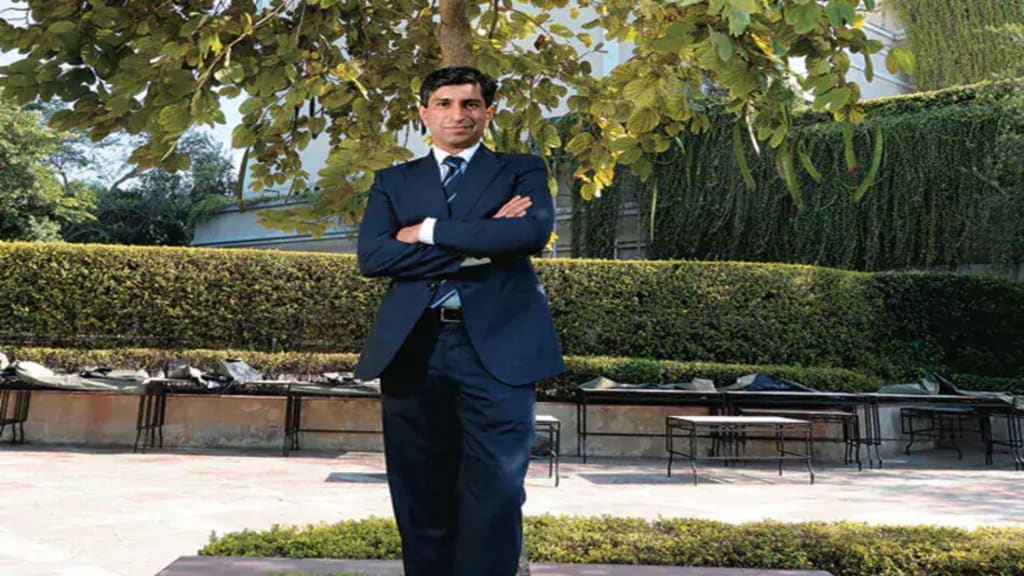
As the world faces rising environmental challenges and a growing energy demand, the focus has shifted sharply toward sustainable power. In this global green energy transition, India is emerging as a major player—and Ratul Puri, the Chairman of Hindustan Power, is playing a crucial role in steering this transformation.
Under his visionary leadership, Hindustan Power has embarked on an ambitious mission: to deliver scalable and affordable green energy solutions that serve both urban and rural India. This article dives deep into how Ratul Puri is shaping the future of India’s power sector, blending innovation, infrastructure, and impact.
Who Is Ratul Puri?
A Background Rooted in Innovation
Ratul Puri, an accomplished entrepreneur and engineer, holds a degree in Computer Engineering, Economics, and Finance from Carnegie Mellon University. With a career that began in technology, he later turned his focus to the power sector with the belief that energy is the cornerstone of economic development.
As Chairman of Hindustan Powerprojects Pvt. Ltd., he has led the company to become one of India’s leading independent power producers, with operations across thermal, solar, and hydro power. But what truly distinguishes Puri is his commitment to clean and affordable energy.
Hindustan Power: An Overview
Hindustan Power was founded with the goal of addressing India's growing power needs through a balanced portfolio of generation assets. Over the years, it has established capabilities in:
- Thermal Power: Large-scale plants serving regional grid requirements.
- Solar Power: Over 1,000 MW of solar power capacity developed.
- Hydro Projects: Investments in renewable hydro power in hilly terrains.
But in recent years, under Ratul Puri’s leadership, the company has pivoted sharply toward sustainability and green energy, with a clear focus on solar scalability and affordability.
The Green Energy Imperative in India
India’s population of over 1.4 billion continues to see rising energy consumption. According to the International Energy Agency (IEA), India is on track to have the largest growth in energy demand globally through 2040.
To meet this demand sustainably, India has committed to:
- Achieving 500 GW of renewable capacity by 2030
- Cutting carbon emissions by 1 billion tons
- Reaching net-zero emissions by 2070
These ambitious goals require massive infrastructure, strategic investments, and strong leadership. Ratul Puri and Hindustan Power are aligning their strategy with these targets.
Driving Scalability in Solar Power
Making Renewable Energy Mainstream
Ratul Puri’s strategy emphasizes scalability—the ability to rapidly deploy green energy solutions across various geographies.
Key Achievements:
- Commissioning large-scale solar farms across Madhya Pradesh, Gujarat, Tamil Nadu, and Rajasthan
- Partnering with international equipment providers to implement high-efficiency solar modules
- Developing innovative project structures to ensure faster time-to-market and lower costs
These achievements contribute not only to power supply but also to job creation, rural development, and infrastructure expansion.
Making Green Energy Affordable
Breaking the Myth That Clean Energy Is Expensive
One of Ratul Puri’s most significant contributions is proving that renewable energy can be cost-effective. Through innovation in operations, technology, and finance, Hindustan Power has successfully lowered the levelized cost of energy (LCOE) for solar projects.
How Affordability Is Achieved:
- Bulk procurement of solar components to reduce CAPEX
- Public-private partnerships for shared grid infrastructure
- Financing through green bonds and global investment funds
This approach supports not just commercial clients but also government-led rural electrification programs, ensuring power reaches underserved communities at affordable rates.
Integration with National Policy Goals
Supporting “Make in India” and “Atmanirbhar Bharat”
Ratul Puri’s initiatives are closely aligned with India's national programs such as:
- Make in India: By encouraging local sourcing of solar components.
- Atmanirbhar Bharat (Self-Reliant India): Through domestic capacity building in manufacturing and engineering.
- Green Energy Corridors: Integrated with national grid plans to transmit renewable energy across the country.
By aligning with these policies, Puri ensures Hindustan Power plays a significant role in India's energy security and independence.
Case Study: Solar Power Success in Rewa, Madhya Pradesh
In one of its most acclaimed projects, Hindustan Power developed a solar installation in Rewa, which became:
- One of India’s largest solar farms at the time of its launch
- A model for PPP-based renewable infrastructure
- A source of green power for Delhi Metro and local consumers
This project demonstrated how green energy, when well-planned, can be both scalable and economically viable, serving diverse stakeholder needs.
Beyond India: Global Expansion and Recognition
Ratul Puri’s vision isn’t confined to India. Hindustan Power has executed international projects and continues to explore opportunities in markets like:
- Africa: For solar mini-grids and rural electrification
- South-East Asia: For hybrid (solar + storage) systems
- Middle East: For large-scale utility projects
His work has received global accolades, including:
- Being named a Young Global Leader by the World Economic Forum
- Invitations to international climate forums and energy think tanks
- Recognition by Indian business magazines for innovation in infrastructure
Leadership Philosophy: Sustainability + Strategy
What Makes Ratul Puri’s Approach Unique?
Unlike traditional infrastructure leaders, Ratul Puri combines deep technical knowledge with a macro-economic understanding of policy and investment.
His Leadership Is Defined By:
- Long-term thinking: Building assets that last decades
- People-first mindset: Emphasizing community benefit alongside profits
- Collaborative execution: Working with governments, private partners, and international institutions
Benefits of Hindustan Power’s Green Strategy
Pros
✅ Environmental Impact: Reduced carbon emissions and improved air quality
✅ Energy Access: Electrification of underserved rural regions
✅ Cost Efficiency: Economies of scale make solar energy cheaper
✅ Economic Growth: Boosts to local economies via jobs and investments
Cons
⚠️ High Initial Investment: Renewable projects require upfront capital
⚠️ Land Acquisition Delays: Infrastructure projects often face local opposition
⚠️ Grid Integration Issues: Managing variable supply from renewables is complex
Despite these challenges, Hindustan Power’s track record shows that with the right leadership, these hurdles can be overcome.
Frequently Asked Questions (FAQs)
Q: What is Ratul Puri’s vision for Hindustan Power?
A: To make renewable energy scalable, affordable, and impactful by focusing on long-term infrastructure and sustainable growth.
Q: Is Hindustan Power only focused on solar?
A: No. While solar is a key pillar, the company also works in thermal and hydro energy for a balanced power generation mix.
Q: How does Hindustan Power keep its energy affordable?
A: By leveraging economies of scale, innovative financing, and public-private collaborations to lower the cost per unit of energy.
Conclusion: A Leader Lighting the Way Forward
In a time when the world is seeking clean energy answers, Ratul Puri is leading by example. As Chairman of Hindustan Power, he is delivering on the promise of scalable and affordable green energy—not just as a business goal but as a national imperative.
His approach is one that India—and the world—can learn from: blend policy alignment, innovation, and local impact to create a truly sustainable energy model.
About the Creator
Chinmaya Singh
Chinmaya Singh is a professional blogger with 6+ years of experience, writing on entrepreneurship, business, and industry, helping readers gain insights into success and growth strategies.
Keep reading
More stories from Chinmaya Singh and writers in Journal and other communities.
The Influence of Ratul Puri in Positioning India as a Global Leader in Renewable Power
India is at the forefront of a global renewable energy movement. As the country aims to reduce its carbon footprint and build a sustainable future, one name has consistently stood out: Ratul Puri, Chairman of Hindustan Power. With his strategic foresight, industry expertise, and commitment to innovation, Puri is not just powering businesses—he’s helping to power the nation.
By Chinmaya Singh8 months ago in Journal
The goals I did not achieve
Every writing goal I made for the year is a wash. It has been this way for a while, but I think it's important to be open about my failures and the reality of how life can get in the way. This is especially true considering the several times I have posted on Vocal about my writing goals, how I was changing my approach, and where I was hoping to be for the upcoming year. I will probably do that again in a couple months, but for now, it is time to acknowledge where I am today.
By Kay Husnick24 days ago in Journal
Why Catholics Believe Faith and Works Go Together
Why Catholics Believe Faith and Works Go Together A question often asked by non-Catholics is how faith and works relate in the Catholic understanding of salvation. Some believe that Catholics rely on “good works” to earn salvation, while others think faith alone is sufficient. The truth in Catholic teaching is that faith and works are inseparably connected, and both are essential for a living, authentic Christian life. Understanding this balance begins with Scripture, is explained through Church teaching, and is supported by centuries of theological reflection.
By Sound and Spirit6 days ago in Journal


Comments
There are no comments for this story
Be the first to respond and start the conversation.