
The Nutritional Powerhouse: Exploring Organic Soybean Oil
Organic Soybean Oil

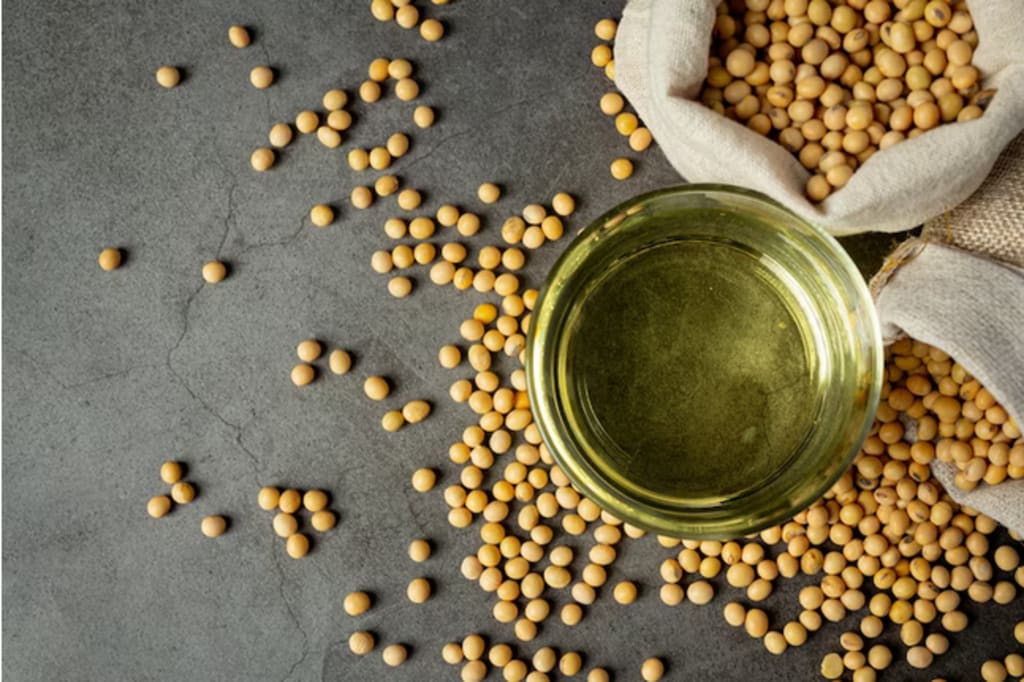
Introduction:
Organic soybean oil is a nutritional powerhouse that has gained significant attention in the health and culinary industries. Extracted from organic soybeans through a careful production process, this versatile oil offers a wide range of health benefits and culinary applications. From its heart-healthy fatty acid profile to its abundance of antioxidants and vitamins, organic soybean oil has become a popular choice among health-conscious consumers. This essay delves into the nutritional properties, health benefits, and culinary uses of organic soybean oil, showcasing its role as a nutritional powerhouse.
Nutritional Composition of Organic Soybean Oil:
a) Fatty Acid Profile: Organic soybean oil is predominantly composed of polyunsaturated and monounsaturated fatty acids, with minimal amounts of saturated fats. These include omega-6 fatty acids, such as linoleic acid, and omega-9 fatty acids, like oleic acid. The optimal balance of these fats contributes to the oil's heart-healthy properties.
b) Vitamin Content: Organic soybean oil is a rich source of various fat-soluble vitamins, including vitamin E, vitamin K, and vitamin A. These vitamins play essential roles in maintaining cell integrity, blood clotting, and vision, respectively.
c) Antioxidants: Organic soybean oil contains natural antioxidants, such as tocopherols and phytosterols, which help protect the oil from oxidation. These antioxidants also provide health benefits by neutralizing free radicals and reducing oxidative stress in the body.
Heart-Healthy Benefits:
a) Omega-6 Fatty Acids: The omega-6 fatty acids found in organic soybean oil, particularly linoleic acid, have been associated with cardiovascular health. Consuming moderate amounts of omega-6s can help lower bad cholesterol levels, reducing the risk of heart disease.
b) Omega-9 Fatty Acids: Oleic acid, an omega-9 fatty acid present in soybean oil, has demonstrated beneficial effects on cardiovascular health. It can help increase good cholesterol levels while decreasing bad cholesterol levels, supporting overall heart health.
c) Antioxidant Protection: The natural antioxidants in organic soybean oil, such as tocopherols, play a role in reducing oxidative stress in the body. By neutralizing free radicals, these antioxidants may help prevent damage to blood vessels and support cardiovascular well-being.
Culinary Uses of Organic Soybean Oil:
a) High Smoke Point: Organic soybean oil has a high smoke point, making it an excellent choice for high-heat cooking methods such as frying, sautéing, and stir-frying. Its stability at high temperatures prevents the production of harmful compounds commonly associated with overheating oils.
b) Neutral Flavor: Organic soybean oil has a neutral flavor profile, allowing it to complement a wide range of dishes without overpowering their natural taste. It is a popular choice in baking, dressings, and marinades, enhancing the overall culinary experience.
c) Emulsifier: Due to its emulsifying properties, organic soybean oil is often used in the production of various food products, such as mayonnaise, sauces, and salad dressings, helping to stabilize the texture and prevent separation.
Nutritional Superiority over Conventional Oils:
a) Organic Production: Organic soybean oil is derived from organically grown soybeans, ensuring the absence of synthetic pesticides and chemical fertilizers. Organic farming practices prioritize sustainability and environmental protection, making the oil a more ecologically responsible choice.
b) Non-GMO: Organic soybean oil is made from non-genetically modified (non-GMO) soybeans, providing consumers with the assurance that the oil is free from genetically engineered components.
c) No Hydrogenation: Unlike many conventional oils, organic soybean oil is not subjected to hydrogenation, a process that creates harmful trans fats. The absence of trans fats makes organic soybean oil a healthier alternative for consumers.
Conclusion:
Organic soybean oil stands as a nutritional powerhouse, offering a multitude of health benefits and culinary versatility. With its heart-healthy fatty acid profile, abundant vitamins, and natural antioxidants, the oil supports cardiovascular health and provides protection against oxidative stress. Its high smoke point and neutral flavor make it an ideal choice for various cooking methods, while its emulsifying properties enhance the texture of food products. Additionally, the organic production process ensures that the oil is free from harmful chemicals and genetically modified ingredients, making it an environmentally friendly and health-conscious choice.
About the Creator
AllyOrganics
We source and distribute Certified Organic raw materials and specialty ingredients all over the world and supply specification regulated to product to a number of CGI’s top 30 global beauty care companies.
Keep reading
More stories from AllyOrganics and writers in Journal and other communities.
Unveiling the organic revolution: Don't panic, it's organic!
Introduction: In recent years, there has been a significant shift in consumer preferences towards organic products. People are increasingly concerned about the potential health risks associated with conventional agriculture practices, such as the use of synthetic fertilizers, pesticides, and genetically modified organisms. The organic revolution is gaining momentum as more individuals seek to adopt a healthier and more sustainable lifestyle. This essay aims to explore the concept of the organic revolution, its benefits, and how it is transforming the way we produce and consume food.
By AllyOrganics3 years ago in Journal
What happened in Minneapolis ICE Shooting
On 7 Jan, Wednesday morning in Minneapolis, 37-year-old Renee Nicole Good dropped her six-year-old child off at school. Shortly after, federal agents in unmarked vehicles confronted her. Within moments, an agent fired three shots into her maroon SUV. Good, a mother of three and U.S. citizen, died at the scene.
By Arsalan Haroon6 days ago in Journal
Miss Persephone's Manual to a Seemingly Ordinary Life
Miss Persephone was found at the dining table, her blue eyes swollen, her tears arriving and retreating like the tides of the ocean. Earlier that day, her family had visited her in the retirement home where she had lived for eight years. It was her eightieth birthday.
By Imola Tóth2 days ago in Fiction




Comments
There are no comments for this story
Be the first to respond and start the conversation.