
The Magic of Machine Learning: Elevating Digital Identity Verification
Unlock the potential of facial recognition apps and witness the transformative power of machine learning in digital identity verification.

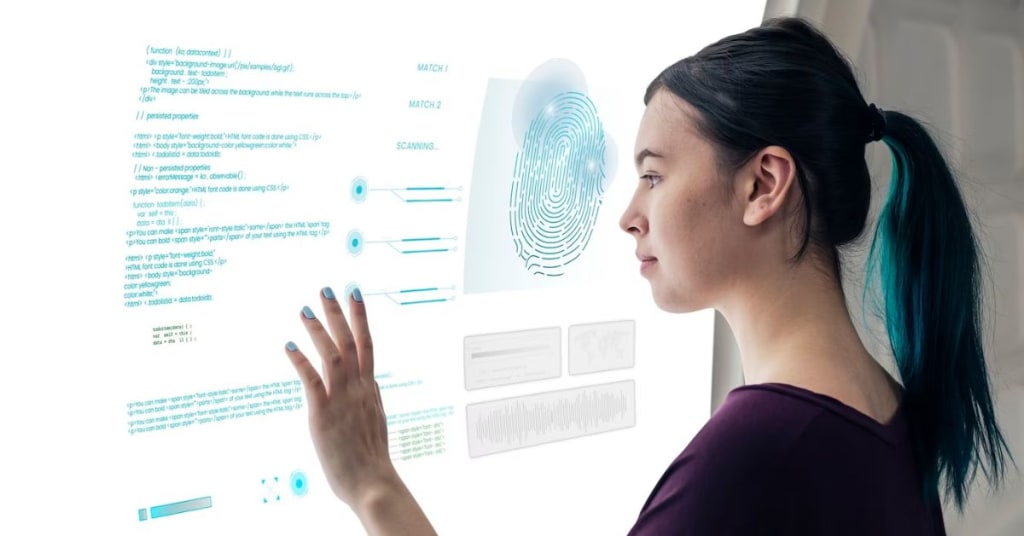
In the ever-evolving digital landscape, facial recognition apps have emerged as a game-changer, revolutionizing the way we authenticate and verify our digital identities. With their ability to analyze and interpret facial features, these advanced applications have paved the way for more secure and efficient identity verification processes. In this article, we delve into the captivating world of facial recognition apps and explore how they are reshaping the future of digital identity verification.
Understanding Facial Recognition Apps
Facial recognition apps leverage the power of machine learning algorithms to identify and verify individuals based on their unique facial characteristics. By analyzing key facial landmarks such as the distance between the eyes, the shape of the nose, and the contours of the face, these apps can create a digital representation, or facial template, of a person's identity. This template is then compared against a database of known identities, allowing for swift and accurate identification.
Enhanced Security and Fraud Prevention
One of the primary benefits of facial recognition apps is their ability to enhance security measures and prevent fraud. Traditional methods of identity verification, such as passwords or PINs, can be easily compromised or forgotten. By using facial recognition technology, businesses and organizations can ensure that only authorized individuals gain access to sensitive information or restricted areas. This advanced level of security helps in mitigating the risks associated with identity theft, fraudulent activities, and unauthorized access.
Streamlined User Experience
In addition to heightened security, facial recognition apps also offer a seamless and streamlined user experience. Gone are the days of remembering multiple passwords or going through time-consuming verification processes. With facial recognition, users can simply glance at their devices, and within seconds, they are authenticated and granted access.
This effortless and intuitive approach to identity verification not only saves time but also reduces user frustration. Whether it's logging into an online banking portal, accessing personal medical records, or unlocking a smartphone, facial recognition apps provide a frictionless experience, making them increasingly popular among users.
Versatility and Accessibility
Facial recognition technology is not limited to a specific industry or sector. Its versatility makes it applicable across various domains, including finance, healthcare, travel, and law enforcement. Banks can employ facial recognition to verify customers during transactions, hospitals can securely access patient records, airports can expedite the boarding process, and law enforcement agencies can identify suspects more efficiently.
Furthermore, facial recognition apps can also be integrated into existing software systems, providing an added layer of security to digital platforms and services. This adaptability and accessibility of facial recognition technology contribute to its widespread adoption and potential to transform numerous industries.
Ethical Considerations and Privacy Protection
While the benefits of facial recognition apps are undeniable, it is crucial to address the ethical considerations and privacy concerns associated with their use. As with any emerging technology, there is a need for comprehensive regulations and guidelines to ensure responsible deployment and usage.
Transparency and informed consent are key pillars in addressing privacy concerns. Users must be aware of how their facial data is being collected, stored, and utilized. Strict protocols should be in place to safeguard this sensitive information, ensuring it is not misused or compromised.
Additionally, bias and discrimination can be potential challenges in facial recognition technology. It is imperative to continually evaluate and enhance algorithms to minimize bias and ensure fair and equitable outcomes.
The Future of Facial Recognition
As technology continues to advance, facial recognition apps will undoubtedly play an integral role in shaping the future of digital identity verification. With ongoing research and development, we can expect even more sophisticated algorithms capable of accurately recognizing individuals in various conditions, such as low light or partial occlusions.
Furthermore, advancements in artificial intelligence and machine learning will enable facial recognition apps to continuously improve their accuracy and performance. These apps will become more adept at distinguishing between identical twins or even differentiating between a real person and a high-resolution photograph. Such advancements will further bolster the security and reliability of digital identity verification.
Moreover, facial recognition apps will extend their capabilities beyond simple authentication. They will become powerful tools for personalized experiences and tailored services. For instance, retail establishments can leverage facial recognition to provide customized recommendations based on a customer's previous purchases and preferences. Similarly, entertainment venues can enhance the visitor experience by recognizing and offering personalized greetings or exclusive perks to loyal customers.
In the realm of law enforcement, facial recognition apps will continue to aid in crime prevention and investigations. By analyzing vast amounts of surveillance footage in real-time, these apps can help identify suspects, locate missing persons, and enhance public safety. The integration of facial recognition with other technologies, such as video analytics and predictive algorithms, will create a robust system for preventing and solving crimes.
As facial recognition technology evolves, so does its potential to contribute to societal challenges. For instance, in healthcare, these apps can assist in the early detection of certain medical conditions by analyzing subtle changes in facial features. This proactive approach to healthcare can lead to timely interventions and improved patient outcomes.
However, it is essential to strike a balance between the benefits of facial recognition apps and individual privacy rights. Stricter regulations and privacy frameworks should be in place to ensure that the use of facial data is lawful, transparent, and respects individual autonomy. Additionally, ongoing research and collaboration between technology developers, policymakers, and privacy advocates are crucial to address emerging challenges and create a responsible and ethical framework for the use of facial recognition technology.
Conclusion
Facial recognition apps have ushered in a new era of digital identity verification. Their ability to leverage machine learning algorithms and analyze facial features has significantly enhanced security, streamlined user experiences, and opened up possibilities across various industries. While there are ethical considerations and privacy concerns that must be addressed, responsible deployment and regulations can mitigate these challenges. As we look to the future, facial recognition technology will continue to advance, reshaping the way we verify and authenticate our digital identities.
About the Creator
Raja
Hii, iam digital marketer analyst - Working on Troop messenger
Russian Gerbera Drone Found on Moldovan Lake Shore, Triggering Security Alert
In a startling development that has heightened regional security concerns, authorities in Moldova reported the discovery of a Russian Gerbera drone washed ashore on a lake near the northern border. The unmanned aerial vehicle (UAV), which has been associated with surveillance and tactical operations in recent conflicts, has prompted a swift response from Moldova’s military and intelligence agencies. Officials emphasized that while no immediate threat was detected on land, the incident underscores the growing complexity of drone operations in Eastern Europe and the potential for spillover from ongoing regional conflicts.
By Fiaz Ahmed Brohi4 days ago in Journal



Comments
There are no comments for this story
Be the first to respond and start the conversation.