
The Magic of Chinese New Year: A Celebration of Family, Tradition, and Renewal
Chinese Spring Festival is not so mysterious, but rather interesting
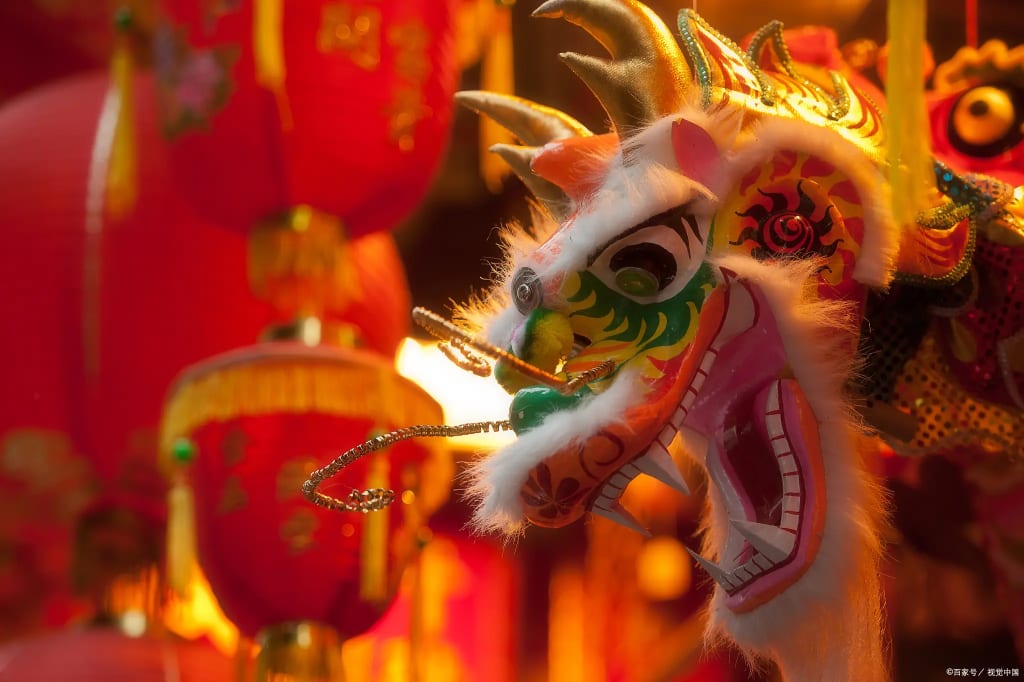
Every winter, as the lunar calendar turns, over a billion people worldwide pause to celebrate **Chinese New Year**, also known as the **Spring Festival**. This vibrant festival, rooted in 3,000 years of history, is more than just a holiday—it’s a cultural symphony of family reunions, ancient rituals, and hopes for prosperity. Let’s explore the essence of this global phenomenon.
A Journey Through Time: The Origins of Spring Festival
The Spring Festival’s roots stretch back to ancient agrarian societies. In the **Shang Dynasty (1600–1046 BCE)**, people marked the harvest’s end with rituals to honor deities and ancestors, a tradition tied to the term *nian* (年), meaning “grain harvest” in Oracle Bone Script. By the **Han Dynasty (202 BCE–220 CE)**, the first day of the lunar year was formalized as *Zhengdan* (正旦), a time for imperial ceremonies and family feasts.
The festival’s name evolved over centuries. After the 1911 Revolution, China adopted the Gregorian calendar, renaming the lunar new year *Chun Jie* (春节, “Spring Festival”), while January 1 became *Yuan Dan* (元旦, “New Year’s Day”). Today, the holiday spans 15 days, from **Lunar December 23rd** (preparations) to **Lantern Festival** on Lunar January 15th.
Rituals That Bind: Key Traditions of Chinese New Year
1. Cleansing and Renewal
Weeks before the festival, families engage in *sweeping dust* (扫尘), symbolizing the removal of bad luck and welcoming freshness. Homes are adorned with **red lanterns**, **couplets** (poetic phrases on red paper), and inverted *fu* (福, “blessing”) characters, believed to attract good fortune.
2. Reunion and Feasting
The **New Year’s Eve dinner** (年夜饭) is the heart of the celebration. Dishes like fish (symbolizing abundance), dumplings (resembling ancient currency), and glutinous rice cakes (for “rising prosperity”) grace the table. After dinner, families **stay up together** (守岁), sharing stories and laughter until midnight.
3. Blessings and Generosity
At midnight, fireworks light up the sky to scare away evil spirits—a nod to the legend of **Nian**, a mythical beast afraid of noise and red. Children receive **red envelopes** (红包) filled with money, a gesture of protection and goodwill from elders.
4. Community and Joy
The following days burst with temple fairs, dragon dances, and lantern displays. In southern China, lion dances ward off misfortune, while northerners ice-skate or sculpt snow art.
Legends That Live On
Two tales shape the festival’s customs:
The Nian Monster**: Villagers once fled a beast named Nian until they discovered its fear of red and firecrackers—a tradition still alive today.
The Kitchen God**: Families offer sweets to this deity on Lunar December 23rd, hoping he’ll report favorably to the Jade Emperor about their year.
Spring Festival in the Modern World
While traditions remain sacred, modernity has woven new threads into the celebration. The **CCTV New Year’s Gala**, a televised extravaganza since 1983, draws over a billion viewers with music, comedy, and drama. Urbanites now blend temple visits with vacations, and eco-friendly e-red envelopes circulate via apps like WeChat.
Globally, Chinese New Year has transcended borders. From New York’s Fifth Avenue parades to London’s Trafalgar Square lion dances, over 20 countries recognize it as a public holiday. In 2023, the United Nations officially added Lunar New Year to its list of observances—a testament to its universal resonance.
Why Spring Festival Matters
At its core, Chinese New Year is about **reconnection**—to family, heritage, and hope. It’s a time to honor ancestors, mend relationships, and set intentions for growth. As philosopher Xunzi once said, *“A ritual is the harmony of heaven and earth.”* The Spring Festival embodies this harmony, uniting past and present in a dazzling celebration of life.
So, whether you’re savoring dumplings in Beijing or watching fireworks in San Francisco, remember: the spirit of *Chun Jie* is a reminder that renewal is possible, and joy is always worth celebrating.
About the Creator
hello-word
As a Chinese person, love for the culture of my own country. Nowadays, the global exchange of information is becoming increasingly rapid. I also hope that more people can gain a deeper and more detailed understanding of Chinese culture.
Keep reading
More stories from hello-word and writers in Journal and other communities.
Bi'an
In the 谱系 of mythical beasts in traditional Chinese culture, Bi'an (bì àn) stands out as a highly recognizable figure. As one of the "nine sons of the dragon," unlike Qiuniu, which exudes elegance, or Yazi, known for its ferocity, Bi'an has become a symbol of judicial culture with its unique mission of "guarding justice." Although there are no records of Bi'an in Shan Hai Jing (Classic of Mountains and Seas), over the course of a thousand years of cultural evolution, it has transitioned from a folk legend to a prominent presence in the halls of power, gazing with its majestic eyes upon humanity's eternal pursuit of fairness.
By hello-word9 months ago in Art
The goals I did not achieve
Every writing goal I made for the year is a wash. It has been this way for a while, but I think it's important to be open about my failures and the reality of how life can get in the way. This is especially true considering the several times I have posted on Vocal about my writing goals, how I was changing my approach, and where I was hoping to be for the upcoming year. I will probably do that again in a couple months, but for now, it is time to acknowledge where I am today.
By Kay Husnick24 days ago in Journal
What the Catholic Church Means by “Sacrament” and Why They Matter
The Catholic Church teaches that God is not distant or invisible in our daily lives but comes to us in real, tangible ways. One of the primary ways He does this is through the sacraments. While some people may think of sacraments as symbolic rituals or merely traditional ceremonies, the Catholic understanding goes much deeper. Sacraments are outward signs instituted by Christ that confer grace, and they are central to Catholic faith, worship, and spiritual life.
By Sound and Spirit6 days ago in Journal


Comments
There are no comments for this story
Be the first to respond and start the conversation.