
The Life of LGBTQ+ Individuals
Challenges, Identity, and the Journey Toward Acceptance
Abstract
This journal explores the lives of individuals who identify as gay, within the broader LGBTQ+ community. It sheds light on personal identity, social struggles, discrimination, family acceptance, and the fight for equal rights. The aim is to present a comprehensive, human-centered view of what it means to live as a gay person in different cultural and social contexts. The journal will focus on the emotional journey, legal progress, cultural perceptions, and the importance of education and inclusion for building a more just world.
1. Introduction: Who Are Gay Individuals?
The term "gay" generally refers to people who experience romantic and/or sexual attraction to individuals of the same gender, commonly used for men but also embraced by women in some contexts. Being gay is not a lifestyle—it is a deeply rooted aspect of human identity, as natural as any other variation in the human experience.
While society has made great strides toward acceptance in many regions, millions of gay individuals still face discrimination, bullying, and even criminal punishment simply for being who they are.
2. The Formation of Identity
2.1 Early Realizations
Most gay people begin to sense that they are "different" during childhood or adolescence. These feelings may come from:
Different emotional or romantic attachments
A disinterest in conventional gender roles
Social confusion about attraction
Coming to terms with being gay is often confusing due to social expectations, religious teachings, or cultural values.
2.2 Coming Out
The decision to “come out” — to reveal one’s sexual orientation — is a major life event. It requires:
Emotional readiness
Personal safety
Trust in family and community
Some individuals never come out due to fear of rejection or violence. Others do so publicly and become advocates for their rights.
3. The Emotional and Psychological Impact
3.1 Mental Health Struggles
Studies show that LGBTQ+ youth are at higher risk of:
Depression
Anxiety
Substance abuse
Suicide
The cause is not their identity but the stress of societal rejection, bullying, and isolation.
3.2 The Power of Support
Support from family and friends drastically reduces mental health risks. LGBTQ+ individuals with affirming families are:
50% less likely to attempt suicide
More likely to thrive socially and academically
4. Challenges in Society
4.1 Homophobia and Discrimination
In many societies, being gay is still seen as "immoral" or "unnatural." This leads to:
Bullying in schools
Job discrimination
Denial of healthcare
Police violence
In some countries, being gay is criminalized, and individuals can face imprisonment or even death.
4.2 Religious and Cultural Conflicts
Many religions promote the idea that same-sex love is a sin. This has led to:
Gay individuals being rejected by their families
Internal guilt and fear
Conversion therapy attempts (illegal in many countries)
However, some religious communities are now becoming more inclusive and understanding.
5. Love, Relationships, and Family
5.1 Love Like Any Other
Gay love is built on the same foundations as any relationship:
Mutual respect
Emotional connection
Shared values
Unfortunately, gay couples are often denied the freedom to love openly in public without fear.
5.2 The Right to Marry and Adopt
In over 30 countries, gay marriage is legal. However, in many parts of the world, gay couples:
Cannot legally marry
Are banned from adopting children
Face challenges in joint property or inheritance laws
The fight for family rights remains a key part of LGBTQ+ activism.
6. The Role of Media and Representation
6.1 From Stereotypes to Real Stories
For decades, gay characters were portrayed as:
Comic relief
Villains
Tragic figures
Now, media increasingly portrays real, complex, and empowering gay stories, such as:
Call Me By Your Name
Heartstopper
Schitt’s Creek
Pose
These portrayals help normalize gay identities and create visibility.
6.2 Social Media Empowerment
Platforms like YouTube, Instagram, and TikTok allow LGBTQ+ individuals to:
Share their stories
Connect with supportive communities
Advocate for rights
7. Gay Rights and Legal Progress
7.1 Milestones in Equality
Some major legal victories include:
Marriage Equality in the U.S. (2015)
Decriminalization of homosexuality in India (2018)
LGBT anti-discrimination laws in Canada and the EU
These victories reflect decades of activism, often led by grassroots LGBTQ+ leaders.
7.2 Still a Long Road
Many countries still:
Outlaw same-sex relationships
Ban LGBTQ+ education
Punish pride events and protests
Legal progress often comes after intense resistance and personal sacrifice.
8. Gay Life in Different Regions
8.1 Western Countries
While more open, Western societies are not free from:
Hate crimes
Transphobia
Religious-based discrimination
8.2 Middle East and Africa
In some countries:
LGBTQ+ people are underground and live in fear
Arrests and public humiliations are common
Pride events are banned or attacked
Yet activists in these regions continue to speak out, risking their lives for change.
8.3 Asia and South America
Thailand and Taiwan are becoming more LGBTQ+ inclusive.
Brazil has legal protections, but violence remains high.
Pakistan and Malaysia criminalize gay relationships, but small safe spaces exist online and in private communities.
9. Religion, Spirituality, and Gay Identity
Many gay individuals reconcile their identity with faith through:
Inclusive religious groups
Personal spirituality
Queer theology
Some key organizations:
Dignity USA (Catholic)
Keshet (Jewish LGBTQ+)
Inclusive Masjid (Muslim LGBTQ+)
These communities offer spiritual belonging and challenge exclusion.
10. Education and LGBTQ+ Awareness
10.1 Importance in Schools
LGBTQ+ education helps:
Reduce bullying
Increase understanding
Build safe environments
However, many school systems avoid or ban LGBTQ+ topics due to political pressure.
10.2 Youth Support Groups
Organizations like:
The Trevor Project
It Gets Better Project
LGBTQ+ Student Unions
...provide crucial support, especially in conservative areas.
11. The Workplace Experience
11.1 Discrimination
Many gay employees face:
Unequal pay
Harassment
Firing after coming out
Even in global companies, many LGBTQ+ workers hide their identity.
11.2 Inclusive Workplaces
Diversity programs, pride groups, and non-discrimination policies help make workplaces safer and more productive.
12. The Power of Pride
12.1 Pride Parades
Pride is a celebration of:
Identity
Resistance
Visibility
It began as a protest after the Stonewall Riots (1969) and continues to grow globally.
12.2 Symbolism and Solidarity
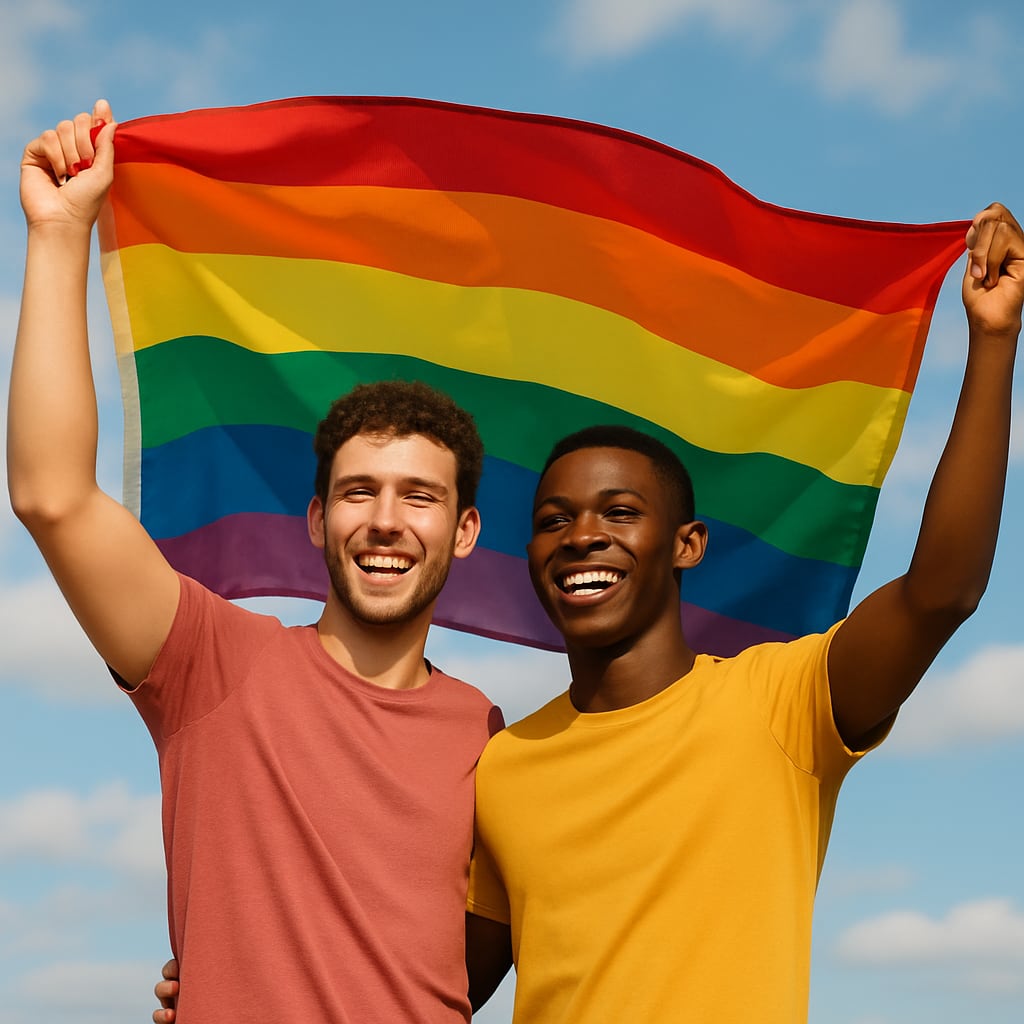
The rainbow flag, pink triangles, and other symbols represent hope and unity. Pride is not just about celebration—it’s about saying: “We exist, and we deserve respect.”
13. Personal Stories: Real Lives, Real Love
A. Amir, Pakistan
“I knew I was different at 10. I prayed to be normal. At 20, I finally told a friend I was gay. He never talked to me again. But I don’t regret being honest. I’m still here. Still proud.”
B. Carlos, Brazil
“We got married last year. We adopted a child. People said we couldn't raise a kid. But our daughter is happy, smart, and deeply loved.”
C. Maya, USA
“My parents kicked me out when I came out. A friend’s family took me in. Today I’m a therapist helping LGBTQ+ youth. The pain made me strong.”
14. The Importance of Allies
Allies play a critical role by:
Supporting LGBTQ+ rights
Speaking up against hate
Educating others
Creating safe spaces
You don’t have to be gay to stand for equality—you just have to care.
15. Conclusion: The Road Ahead
Being gay is not a choice—it’s a truth. And the life of a gay person should be filled with love, dignity, safety, and opportunity like anyone else’s. While progress has been made, discrimination and danger remain. Our shared humanity demands that we support and uplift every identity.
A world that accepts gay people is not just good for them—it’s good for everyone.
References
Human Rights Watch: LGBTQ+ Reports
Trevor Project: LGBTQ+ Youth Mental Health
Pew Research: Global Attitudes Toward Homosexuality
UN Free & Equal Campaign
Academic Journals on Queer Studies and Gender Identity
About the Creator
Fawad Khan
I’m Fawad Khan a passionate speaker and researcher sharing journals, fiction, history, education, current affairs, and English literature. With deep research and clear voice, I bring knowledge to life. Learn,grow, and stay informed with me.
Keep reading
More stories from Fawad Khan and writers in Journal and other communities.
Tariffs
Abstract A tariff is a financial charge or tax placed on imported or exported goods by a government. It is a key tool in international trade policy, used to regulate trade, protect domestic industries, and generate revenue. This journal explores the concept of tariffs, their types, historical background, economic impact, political implications, and controversies surrounding them. Through real-world examples and analysis, we aim to understand how tariffs shape economies and affect ordinary consumers, businesses, and international relationships.
By Fawad Khan8 months ago in Journal
Author’s Advice
If you would’ve asked me 20 years ago did I know I’d become a writer and an author, I would’ve said “nope, ain’t happening”. As fate would have it I did become an author and I can honestly say I’m loving it so far. It really does feel good to be a writer. I’ve learned a lot on this journey and I feel like with even me being as new to this world as I am, there’s some wisdom I need to share with every other aspiring author.
By Joe Patterson3 days ago in Journal



Comments (1)
I am too upset about there life