
The importance of flooring insulation: A complete guide
flooring insulation
Introduction:
Flooring insulation plays a crucial role in maintaining energy efficiency and overall comfort in a building. It is an often overlooked aspect of construction and renovation, yet its impact on energy consumption, thermal comfort, and soundproofing should not be underestimated. This comprehensive guide explores the importance of flooring insulation, its benefits, types, installation methods, and considerations.
Benefits of Flooring Insulation:
Enhanced Energy Efficiency: Proper flooring insulation acts as a barrier against heat loss or gain, significantly reducing the need for heating or cooling. This, in turn, reduces energy consumption and lowers utility bills, making it an environmentally and financially beneficial choice.
Improved Thermal Comfort: Insulated flooring helps maintain a comfortable indoor temperature throughout the year. By preventing heat transfer between the floor and the ground, it eliminates cold spots, drafts, and excessive heat, providing a cozy living environment.
Noise Reduction: Flooring insulation also plays a vital role in soundproofing. It absorbs impact noise and reduces airborne sound transmission, minimizing noise pollution from footsteps, appliances, and external sources, thereby enhancing overall tranquility.
Moisture Control: Insulation materials with moisture-resistant properties create a barrier against dampness, preventing the accumulation of moisture within the flooring system. This protects against mold, mildew, and rot, contributing to healthier indoor air quality and a longer lifespan for the flooring.
Types of Flooring Insulation:
Foam Insulation: Foam insulation, such as spray foam or rigid foam boards, is a popular choice due to its excellent thermal resistance. It can be applied in various forms, adhering to irregular surfaces and filling gaps effectively. Foam insulation also provides moisture control and can enhance structural integrity.
Fiberglass Insulation: Composed of tiny glass fibers, fiberglass insulation is a cost-effective option widely used for its thermal and acoustic properties. It is available in batts or rolls, allowing for easy installation between floor joists or under subflooring.
Mineral Wool Insulation: Made from natural materials like rock or slag, mineral wool insulation is known for its fire-resistant and sound-absorbing qualities. It offers good thermal insulation, controls moisture, and is available in various forms, including batts and loose-fill.
Cork Insulation: Cork is a sustainable and eco-friendly flooring insulation option. It provides excellent thermal insulation, reduces noise, and acts as a natural moisture barrier. Cork underlayment is commonly used beneath hardwood, laminate, or vinyl flooring.
Installation Methods and Considerations:
New Construction: For new construction, flooring insulation can be installed during the construction phase. This involves placing insulation materials between the floor joists or directly under the subflooring before installing the finished floor.
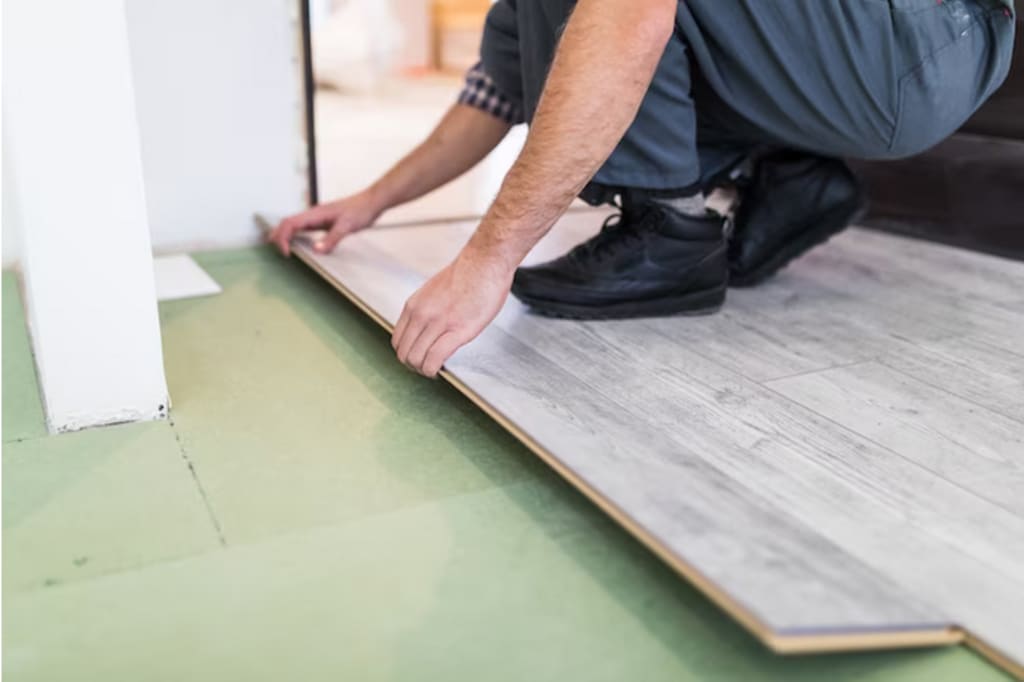
Retrofitting: Retrofitting insulation in existing buildings involves installing insulation materials over the existing floor. This can be done by removing the flooring temporarily or by using specific insulation products designed for retrofitting.
Building Codes and Regulations: It is essential to comply with local building codes and regulations regarding flooring insulation. These codes often specify minimum insulation R-values, which determine the thermal resistance required for different regions and climates.
Moisture and Vapor Barriers: In areas prone to moisture, it is crucial to install moisture or vapor barriers along with the flooring insulation. These barriers prevent the infiltration of moisture into the flooring system and help maintain its integrity.
Conclusion:
Flooring insulation is a critical element for maintaining energy efficiency, thermal comfort, and soundproofing in buildings. It offers numerous benefits, including enhanced energy efficiency, improved thermal comfort, noise reduction, and moisture control. Different types of insulation, such as foam, fiberglass, mineral wool, and cork, cater to various needs and preferences. Proper installation methods, compliance with building codes, and the inclusion of moisture and vapor barriers are essential considerations for a successful insulation project. By recognizing the importance of flooring insulation and implementing it effectively, individuals and businesses can create sustainable, comfortable, and energy-efficient spaces.
About the Creator
Keep reading
More stories from Sentinel Cleanings and writers in Journal and other communities.
A Guide To Living Room Cleaning
Living room Cleaning Our living rooms can quickly become cluttered and dirty because we spend so much time there. Living room cleaning services in Houston are there to help. Their cleaning services allow you to go about your day and live the rest of your life, while they clean your home. They also offer tips that can help you keep your living space clean when they aren't there.
By Sentinel Cleanings3 years ago in Journal
Why Twin Flame Relationships Trigger Your Deepest Wounds.
Twin flame relationships are often described as the most intense, challenging, and ultimately transformative connections a person can experience. They're romanticized in popular culture as the ultimate love story, a meeting of two souls perfectly aligned and destined for eternal bliss. However, the reality is often far more complex and painful. While the potential for profound growth and unconditional love exists, navigating a twin flame connection requires confronting and healing the deepest wounds we carry, often forcing us to face parts of ourselves we'd rather keep hidden. This article explores why these relationships act as potent triggers, exposing our deepest insecurities, fears, and unresolved traumas.
By Wilson Igbasi6 days ago in Journal
The Politics of Playing Dress-Up
Well, to start off I'd like to say a happy world book day to all who celebrate. I know I haven't really posted anything on my socials about it but I'm not a jubilant kind of person. I lay low most of the time. Let's start off with a popular anecdote from the vaults...
By Annie Kapur4 days ago in Geeks




Comments
There are no comments for this story
Be the first to respond and start the conversation.