
The importance of fire extinguisher inspections in commerical spaces
fire extinguisher inspections
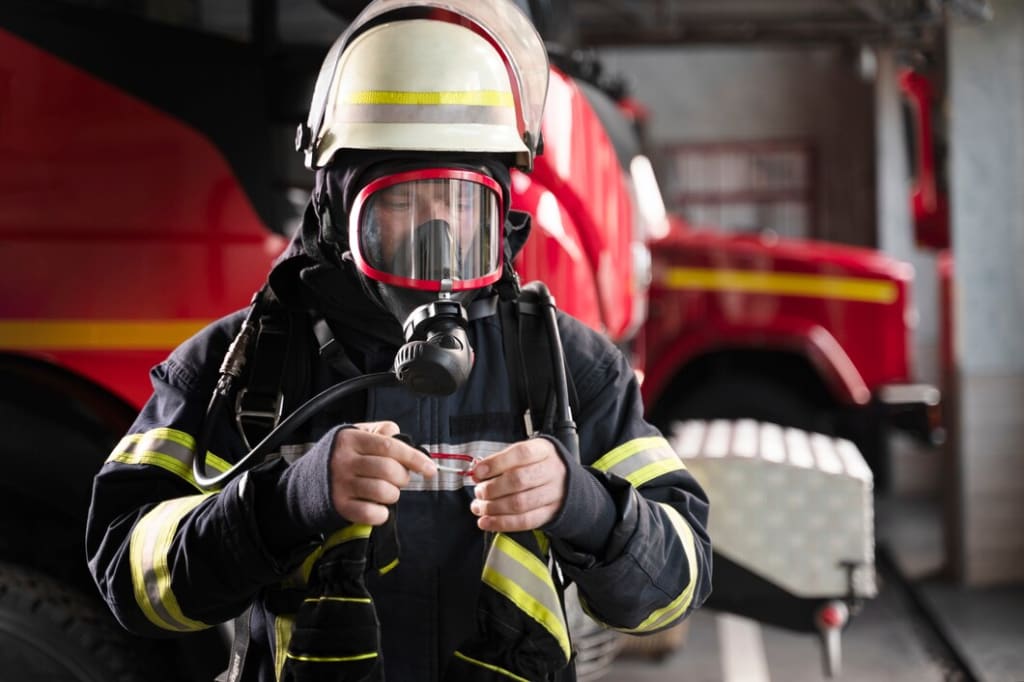
Fires in commercial spaces can pose significant risks to both life and property. Whether it’s a small retail store, a large office building, or a manufacturing facility, the potential consequences of a fire can be devastating. Fortunately, one of the most effective ways to combat small fires and prevent them from becoming catastrophic is through the use of fire extinguishers.
However, simply having a fire extinguisher on hand is not enough. Regular fire extinguisher inspection is crucial to ensure that the equipment will perform effectively during an emergency.
This article will delve into the importance of fire extinguisher inspections in commercial spaces, how to conduct them, and why they are essential for maintaining safety in the workplace.
Why Fire Extinguisher Inspections Matter
In any commercial setting, ensuring the proper function of fire extinguishers is a critical component of a comprehensive fire safety strategy. When a fire breaks out, time is of the essence, and having a fire extinguisher that is ready to use can make the difference between quickly containing a fire and it spiraling out of control. A fire extinguisher inspection is the process of evaluating an extinguisher's condition, verifying that it is properly charged, and ensuring that it will be able to function when needed.
Here are a few key reasons why regular fire extinguisher inspections are necessary in commercial spaces:
1. Ensuring Readiness During Emergencies
A fire extinguisher that is not properly maintained or inspected may not work when it’s needed most. A small fire can grow quickly, and being able to suppress it within the first few minutes can save lives and limit property damage. Regular inspections ensure that the fire extinguisher is fully charged, the safety pin is intact, and the nozzle is unobstructed, all of which are crucial for optimal performance during an emergency.
2. Compliance with Fire Safety Regulations
In many areas, fire safety regulations and building codes require businesses to conduct regular inspections of their fire extinguishers. Failing to do so may lead to legal issues, fines, and potentially unsafe working conditions. Businesses must comply with local fire safety standards, which often specify the frequency and procedures for inspecting fire extinguishers. Regular fire extinguisher inspections ensure that your business remains compliant with these regulations and helps avoid costly penalties.
3. Preventing Costly Damages and Downtime
Inadequate fire extinguisher maintenance can lead to situations where the equipment fails to work when needed, which may result in more significant damage to the property. The faster a fire can be controlled, the less damage it causes. Additionally, fires in commercial spaces can lead to costly downtime, disrupted business operations, and even the loss of valuable assets. By regularly inspecting fire extinguishers, you can reduce the chances of a fire growing out of control and minimize financial losses.
4. Protecting Employees and Customers
A safe working environment is vital for employee well-being and customer trust. Employees must feel confident that their workplace is prepared for emergencies, and customers expect a safe environment when they enter a commercial space. Fire extinguisher inspections demonstrate that your business is serious about safety and that you are taking the necessary steps to protect the people in your care.
How to Conduct a Fire Extinguisher Inspection
Regular inspections are essential to ensure that fire extinguishers in your commercial space are functional and ready for use. Here is a step-by-step guide to help you perform a thorough fire extinguisher inspection:
1. Check the Pressure Gauge
Most fire extinguishers are equipped with a pressure gauge that indicates whether the extinguisher is fully charged. The gauge typically has three zones: green, yellow, and red. The green zone means the pressure is correct, while the yellow and red zones indicate undercharged or overcharged conditions. If the gauge is in the yellow or red zone, the extinguisher may not function properly, and it should be recharged or replaced.
2. Inspect the Physical Condition
Physically inspect the extinguisher for any signs of damage or wear. Look for dents, rust, or corrosion that could affect its performance. Any visible damage may indicate that the extinguisher is compromised and should be taken out of service and replaced. Additionally, check the handle and nozzle for any signs of tampering or damage that may prevent the extinguisher from working properly.
3. Ensure the Safety Pin Is Intact
The safety pin is a crucial part of the fire extinguisher’s design. It prevents the handle from being accidentally squeezed and releasing the extinguishing agent. Ensure that the safety pin is in place, undamaged, and properly secured. If the pin is missing or damaged, the extinguisher may be unsafe to use and requires immediate attention.
4. Examine the Hose and Nozzle
Inspect the hose and nozzle of the fire extinguisher for any blockages, cracks, or damage. The nozzle should be free of obstructions that could prevent the agent from being discharged properly. If the hose is cracked or broken, the extinguisher will not perform effectively, and it will need to be replaced.
5. Look for Signs of Leaks or Spills
Check the area around the fire extinguisher for any signs of leaks or spills. If an extinguisher has leaked its contents, it will not be effective in putting out a fire. Even a small leak could compromise the extinguisher’s ability to function properly. In such cases, you should replace or refill the extinguisher immediately.
6. Verify Accessibility
A fire extinguisher is only useful if it is easy to access during an emergency. Make sure that the extinguisher is mounted at the correct height, free of obstructions, and clearly visible. If the extinguisher is blocked by equipment, furniture, or other items, it could delay its use during an emergency.
7. Record the Inspection
It is important to keep a record of each fire extinguisher inspection for legal and compliance purposes. Maintain a log that includes the date of inspection, the findings, and any actions taken, such as recharging or replacing the extinguisher. This documentation will help demonstrate that your business is compliant with fire safety regulations and may be required during fire safety audits.
When to Perform a Fire Extinguisher Inspection
Fire extinguishers in commercial spaces should be inspected on a regular basis to ensure they are always ready to perform during an emergency. The frequency of inspections may depend on the type of space and local regulations, but here are some general guidelines:
Monthly Inspections: Perform a basic visual inspection at least once a month. This should include checking the pressure gauge, ensuring the extinguisher is easily accessible, and looking for any visible damage or signs of tampering.
Annual Inspections: An in-depth inspection should be conducted at least once a year by a qualified professional. This inspection includes checking the extinguisher’s internal components, recharging the unit if necessary, and ensuring that it complies with local fire safety codes.
After Use: After any use of the fire extinguisher, it should be recharged or replaced immediately. Even if the extinguisher appears to have been used only partially, it’s important to ensure it is ready for the next emergency.
Benefits of Regular Fire Extinguisher Inspections
Increased Safety: Regular inspections ensure that fire extinguishers are in good working condition, which enhances safety for employees, customers, and the building.
Regulatory Compliance: Fire extinguisher inspections help ensure that your business complies with local fire safety regulations, avoiding fines and penalties.
Peace of Mind: Knowing that your fire extinguishers are regularly inspected and maintained provides peace of mind, knowing that your business is better prepared to handle emergencies.
Minimized Risk: Regular fire extinguisher inspections reduce the risk of a failed emergency response, potentially saving lives and preventing major property damage.
Conclusion
Fire extinguisher inspection are a critical aspect of maintaining fire safety in commercial spaces. These inspections ensure that your fire extinguishers are ready for use when you need them most, and they help your business remain compliant with fire safety regulations. By performing regular inspections and keeping a record of your findings, you can significantly reduce the risks associated with fire hazards and protect your property, employees, and customers. Prioritizing fire extinguisher inspection and maintenance should be a non-negotiable part of your business’s fire safety plan, helping to safeguard your assets and contribute to a safe working environment.
About the Creator
Keep reading
More stories from ABC Fire & Safety and writers in Journal and other communities.
Fire Sprinkler Installation in NJ:Choosing the right system your property
Fire safety is a crucial aspect of building management and public safety in New Jersey. The state has stringent fire safety regulations designed to protect lives and properties from the devastating effects of fires. Adhering to these regulations is not only a legal obligation but also a moral responsibility for property owners, businesses, and residents.
By ABC Fire & Safety12 months ago in Journal
What Healthcare Organizations Must Do to Stay Compliant
Introduction Compliance protects healthcare organizations. Regulations govern daily operations. Patient safety depends on adherence. Noncompliance creates serious risk. Financial penalties can be severe. Reputation damage is lasting. Oversight continues to increase. Expectations evolve constantly. Compliance requires commitment. Leadership must prioritize standards. Systems must support requirements. Staff must understand obligations. Proactive compliance prevents disruption. Preparation reduces exposure. Compliance supports trust. Accountability defines professionalism.
By Abdul Mueed3 days ago in Journal



Comments
There are no comments for this story
Be the first to respond and start the conversation.