
The Importance of Document Management Systems in Our Digital Age
Benefits of Document Management Systems
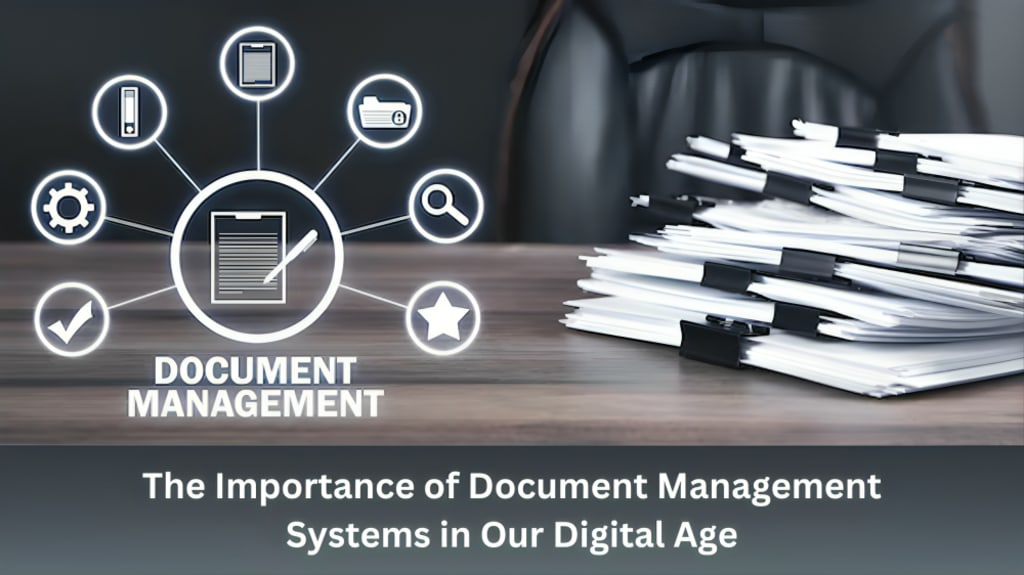
In today’s fast-paced digital world, where businesses rely heavily on technology to streamline operations, Document Management Systems (DMS) have emerged as an indispensable tool. From small startups to large enterprises, organizations are harnessing the power of DMS to simplify workflows, enhance collaboration, and secure valuable information. But what exactly is a Document Management System, and why is it so critical in our digital age? Let’s dive in.
What is a Document Management System (DMS)?
A Document Management System is a software solution designed to store, organize, manage, and track digital documents and records. Unlike traditional filing systems, which can be inefficient and prone to errors, a DMS provides a centralized platform where files are easily accessible, searchable, and shareable.
Whether it's invoices, contracts, employee records, or project files, a robust DMS ensures your documents are always at your fingertips, no matter where you are.
The Growing Need for DMS in the Digital Era
With the exponential growth of data, managing documents manually has become nearly impossible. Here are a few reasons why DMS has become a necessity:
1. Data Overload
Businesses generate vast amounts of data daily. Managing, storing, and retrieving these documents without a system in place can lead to inefficiency and lost opportunities.
2. Remote Work and Collaboration
As remote work becomes the norm, teams need access to documents from anywhere. A cloud-based DMS enables seamless collaboration, allowing employees to work on the same document in real-time.
3. Compliance and Security
In industries like healthcare, finance, and legal, compliance with regulations is non-negotiable. DMS helps companies maintain audit trails and secure sensitive data, ensuring compliance with industry standards.
4. Cost Savings
Switching from paper-based systems to digital document management reduces printing, storage, and administrative costs, offering a sustainable, eco-friendly alternative.
Key Benefits of Document Management Systems
1. Improved Efficiency
With a DMS, employees spend less time searching for files and more time focusing on core tasks. Features like tagging, indexing, and advanced search make finding documents a breeze.
2. Enhanced Security
Modern DMS solutions come with robust encryption, role-based access, and automatic backups, ensuring that your documents are safe from unauthorized access and data breaches.
3. Streamlined Collaboration
Collaboration tools within DMS allow teams to work together efficiently. Version control ensures that everyone is working on the latest file, reducing errors and confusion.
4. Better Compliance Management
A DMS provides audit trails, user activity logs, and automated retention schedules, helping organizations stay compliant with regulatory requirements.
5. Eco-Friendly Approach
Going digital significantly reduces paper usage, contributing to a greener planet while improving operational efficiency.
Industries Benefiting from Document Management Systems
While every industry can benefit from DMS, some sectors rely heavily on these systems to manage their workflows:
- Healthcare: Managing patient records, billing, and compliance documentation.
- Legal: Organizing contracts, case files, and client information.
- Finance: Ensuring the security and accessibility of invoices, reports, and audits.
- Education: Managing student records, syllabi, and administrative paperwork.
- Manufacturing: Storing blueprints, production schedules, and compliance records.
- Retail and E-Commerce: Handling inventory data, sales reports, vendor agreements, and customer information for a streamlined shopping experience.
- Construction and Engineering: Storing project plans, permits, compliance documents, and vendor contracts, ensuring smooth project execution.
- Transportation and Logistics: Managing shipping documents, delivery schedules, fleet information, and compliance records for efficient operations.
- Information Technology (IT): Organizing code repositories, project files, support tickets, client contracts, and documentation for better team collaboration and project delivery.
Choosing the Right DMS for Your Organization
When selecting a DMS, consider these factors:
- Scalability: Choose a system that grows with your business.
- Integration: Ensure it integrates seamlessly with your existing tools.
- User-Friendliness: Opt for intuitive systems that require minimal training.
- Cloud vs. On-Premises: Decide based on your organization's security and accessibility needs.
Final Thoughts
In our digital age, where data is the lifeblood of businesses, Document Management Systems are no longer a luxury—they’re a necessity. They not only streamline operations but also empower organizations to remain competitive, secure, and compliant.
As businesses continue to adapt to digital transformation, investing in the right DMS can be a game-changer, paving the way for better productivity, collaboration, and growth.
Are you ready to embrace the future of document management?
About the Creator
Keep reading
More stories from Sathish Sundar and writers in Journal and other communities.
How Automation is Transforming Inventory Management Across Industries
In today’s fast-paced world, businesses across various industries are embracing automation to streamline their operations and enhance productivity. One area where automation has made a significant impact is inventory management. Traditionally, managing inventory involves manual processes such as counting stock, tracking shipments, and updating records. However, with the rise of automation, businesses can now manage their inventory more efficiently, reduce errors, and improve overall operational efficiency.
By Sathish Sundarabout a year ago in Journal


Comments
There are no comments for this story
Be the first to respond and start the conversation.