
The iPhone 17 Might Be the Last iPhone as We Know It
How trade wars, pandemics, and power politics are forcing Apple into the biggest shift in its history
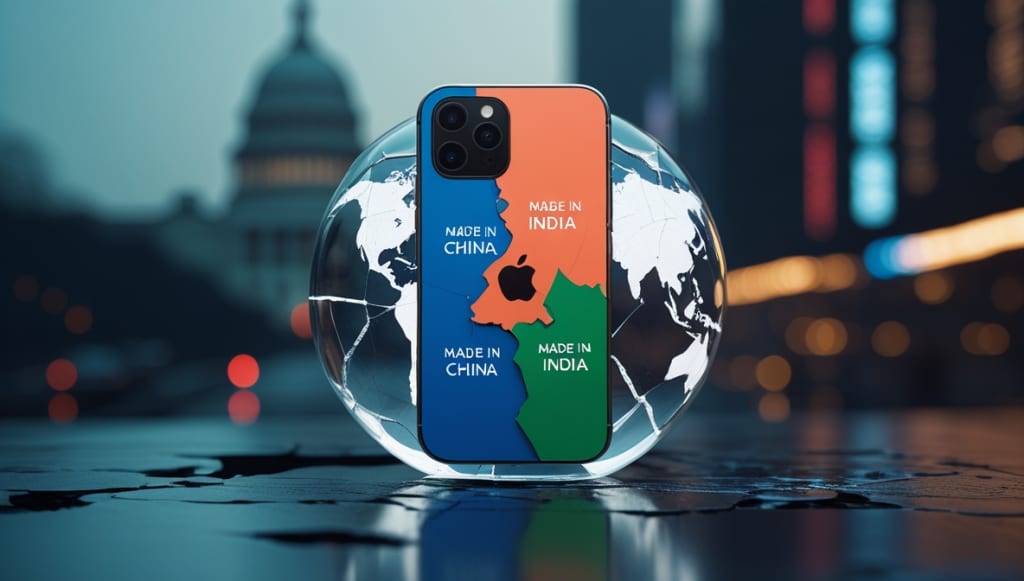
For years, the iPhone has been more than just a phone—it’s been the crown jewel of global capitalism. Sleek, iconic, and everywhere, it represented not only Apple’s dominance but also the miracle of globalization. On the back of every device, one simple phrase told the story of modern tech:
“Designed by Apple in California, Assembled in China.”
This wasn’t just a slogan. It was a billion-dollar partnership that powered the world economy for over a decade. China offered millions of skilled workers, massive manufacturing hubs, and supply chain mastery. Apple offered prestige, demand, and trillions in revenue. Together, they built the ultimate machine—Apple became the world’s most valuable company, and China became the world’s factory.
It seemed unbreakable. But history has a way of proving that even golden cages can become traps.
The First Domino: A Trade War Tweet
The cracks began not with an explosion but with a tweet. When the Trump administration imposed tariffs on Chinese goods, it sent shockwaves through Apple’s empire. The iPhone itself wasn’t the hardest hit, but the message was unmistakable: Apple’s billion-dollar margins could be wiped away with a single presidential signature.
CEO Tim Cook scrambled. He became part-diplomat, part-lobbyist—promising investments in America to shield the iPhone from tariffs. But the illusion of stability was gone. Risk was no longer theoretical. It was political.
The Pandemic That Froze “iPhone City”
Then came COVID-19. China’s strict Zero-COVID lockdowns shut down entire factories, including Zhengzhou—known as “iPhone City.” Overnight, the world’s most important production hub jammed to a halt. Videos of clashes between workers and guards went viral, exposing just how fragile Apple’s global empire had become.
This wasn’t risk management on a PowerPoint slide. It was billions of dollars in losses, broadcast live. The golden supply chain that once looked like perfection now looked like a prison.
Beijing Strikes Back
As if that wasn’t enough, Beijing made its move. Government offices and state companies were told to stop using iPhones, citing cybersecurity. But the real reason was clear: a strategic push to empower local champions like Huawei and reduce dependence on American tech.
It wasn’t just a security policy—it was a calculated strike at Apple, right in its biggest foreign market.
India’s Economic Squeeze
Then came India—not with bans, but with tariffs. Under the “Make in India” initiative, the government slapped heavy import duties, sometimes as high as 20%, making foreign-made iPhones painfully expensive. The message was blunt: if Apple wants to sell to 1.4 billion people, it must build in India.
Apple, squeezed between two giants, suddenly had no easy path forward.
A Controlled Demolition, Not a Collapse
The headlines screamed about collapsing exports, but the reality is more subtle. Apple isn’t falling apart—it’s migrating. The era of “Assembled in China” isn’t over, but its dominance is broken.
A new map of global manufacturing is being drawn. India, Vietnam, and other nations are stepping in. The iPhone 17 is the first product of this transition—a symbol of Apple’s most dangerous gamble yet.
The Ultimate Test: iPhone 17
Will a “Made in India” iPhone hold the same prestige as one built in China? Can Apple maintain its legendary profit margins while juggling rising costs and political friction?
The iPhone 17 isn’t just another phone launch. It’s Apple’s ultimate test in a new geopolitical reality—where survival depends not on design, but on diplomacy.
The Bigger Question
Apple once ruled the world with design and simplicity. Now, it faces a world of complexity and danger. The golden age of effortless globalization is over. What remains is a high-stakes balancing act between Washington, Beijing, and New Delhi.
So here’s the question: Is this the beginning of the end of Apple’s empire—or the start of a stronger, more resilient Apple?
About the Creator
Keep reading
More stories from Shahjahan Kabir Khan and writers in Journal and other communities.
Is Apple’s Innovation Crown Slipping?
For nearly two decades, Apple has been the unchallenged monarch of the smartphone world. From the day Steve Jobs walked onto that stage in 2007 and unveiled the very first iPhone, the rules of technology shifted forever. Touchscreens became mainstream. Design became luxury. And the word ecosystem suddenly became part of our everyday lives. Apple wasn’t just selling products—it was selling a world where your phone, watch, laptop, and earbuds all spoke the same language.
By Shahjahan Kabir Khan4 months ago in Journal
The goals I did not achieve
Every writing goal I made for the year is a wash. It has been this way for a while, but I think it's important to be open about my failures and the reality of how life can get in the way. This is especially true considering the several times I have posted on Vocal about my writing goals, how I was changing my approach, and where I was hoping to be for the upcoming year. I will probably do that again in a couple months, but for now, it is time to acknowledge where I am today.
By Kay Husnick24 days ago in Journal
Why Florida Car Dealers Must Carry a Surety Bond
If you’re planning to open a used car dealership in Florida, one of the first compliance requirements you’ll encounter is the dealer surety bond. Many people assume this is just another formality in the licensing process, but it plays a much bigger role than most applicants realize.
By American US Insurance5 days ago in Journal



Comments
There are no comments for this story
Be the first to respond and start the conversation.