
The Hidden Mental Health Crisis Among Gen Alpha
Glass Generation Are More Prone Towards Mental Health Crises

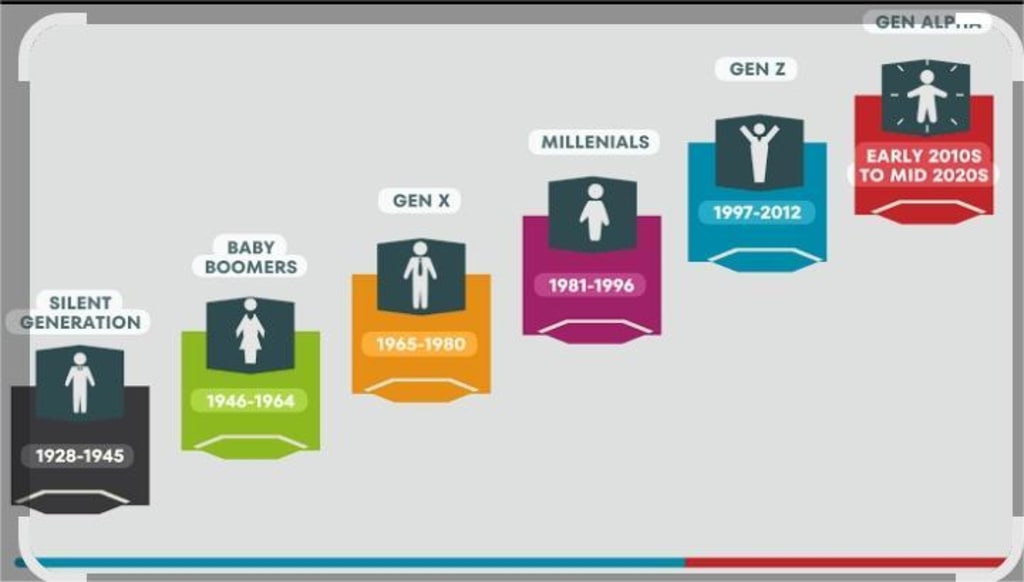
Generation Alpha—the young generation also known as “glass generation” born from 2010 onward is facing a mental health crisis with unprecedented levels of anxiety, depression, and attention-deficit/hyperactivity disorder (ADHD). These issues are not just statistics; they are affecting real children, in real classrooms, and real homes.
Anxiety: Approximately 8% of Gen Alpha children are diagnosed with anxiety disorders, a rate that continues to rise annually.
Depression: Diagnoses among children aged 6-12 increased by 27% between 2016 and 2021, with projections indicating a further 33% rise by 2032.
ADHD: Nearly 1 in 5 Gen Alpha children are diagnosed with ADHD, a significant increase from previous generations.
These numbers are not just alarming; they are a wake-up call.
Agitation: The Factors Fueling the Crisis
What is driving in mental health issues among Gen Alpha? The answer lies in a combination of environmental, social, and technological factors that have uniquely shaped this generation’s experiences.
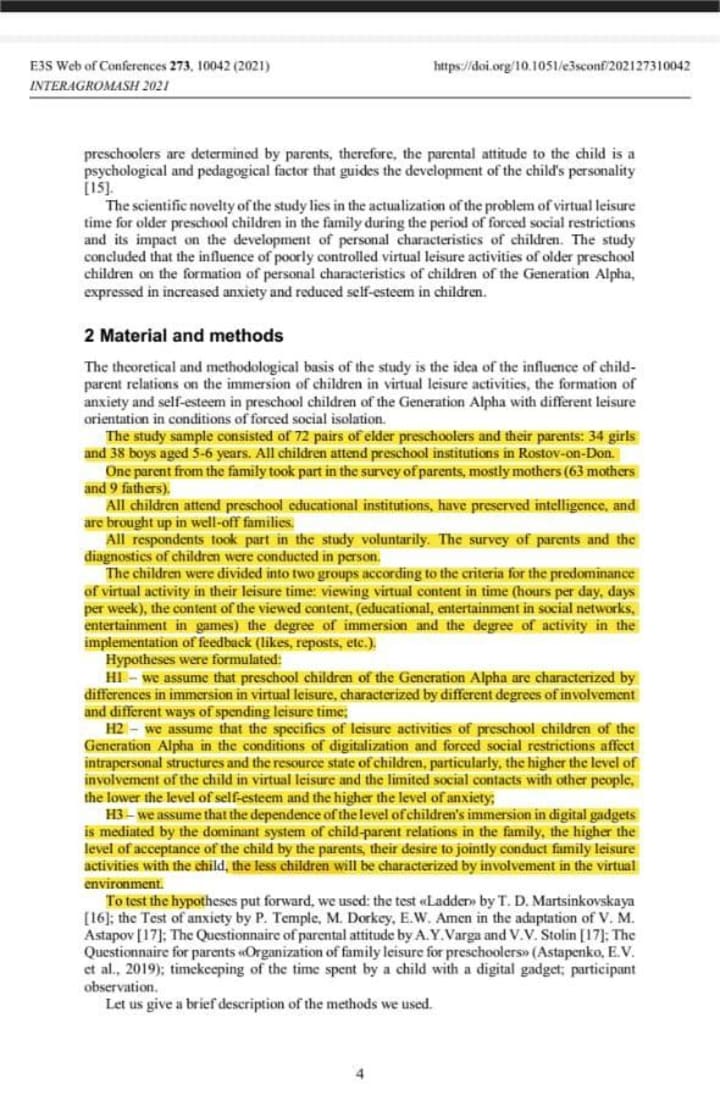
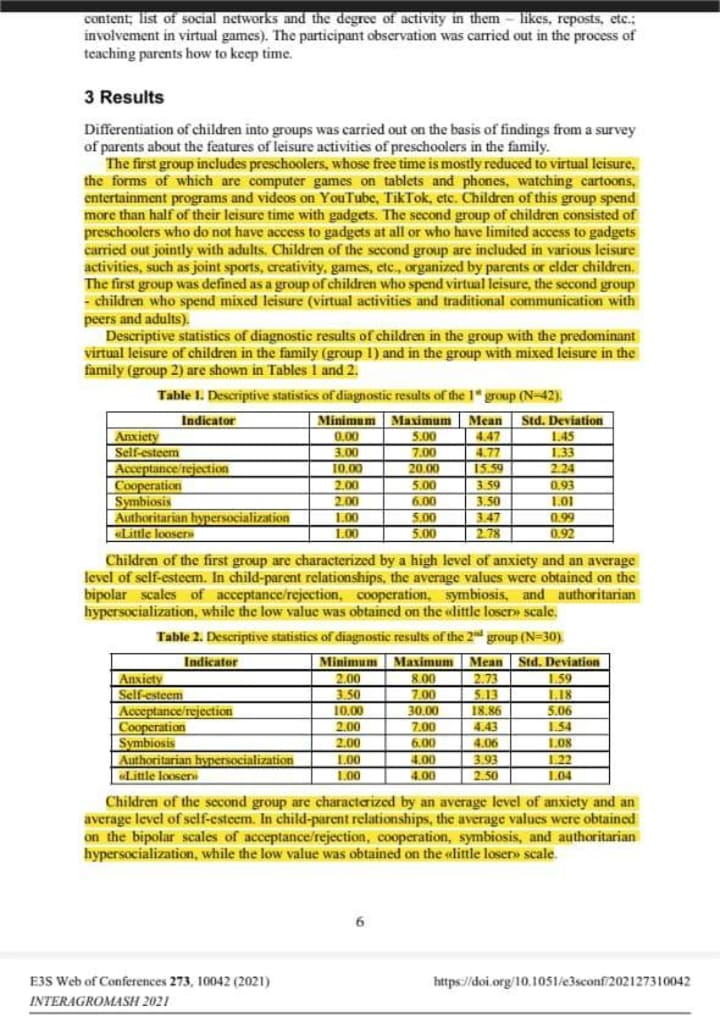
Screen time among Gen Alpha children increased by 50% during the COVID-19 pandemic compared to pre-pandemic levels. Screen timing has been a great linked to various mental health concerns:
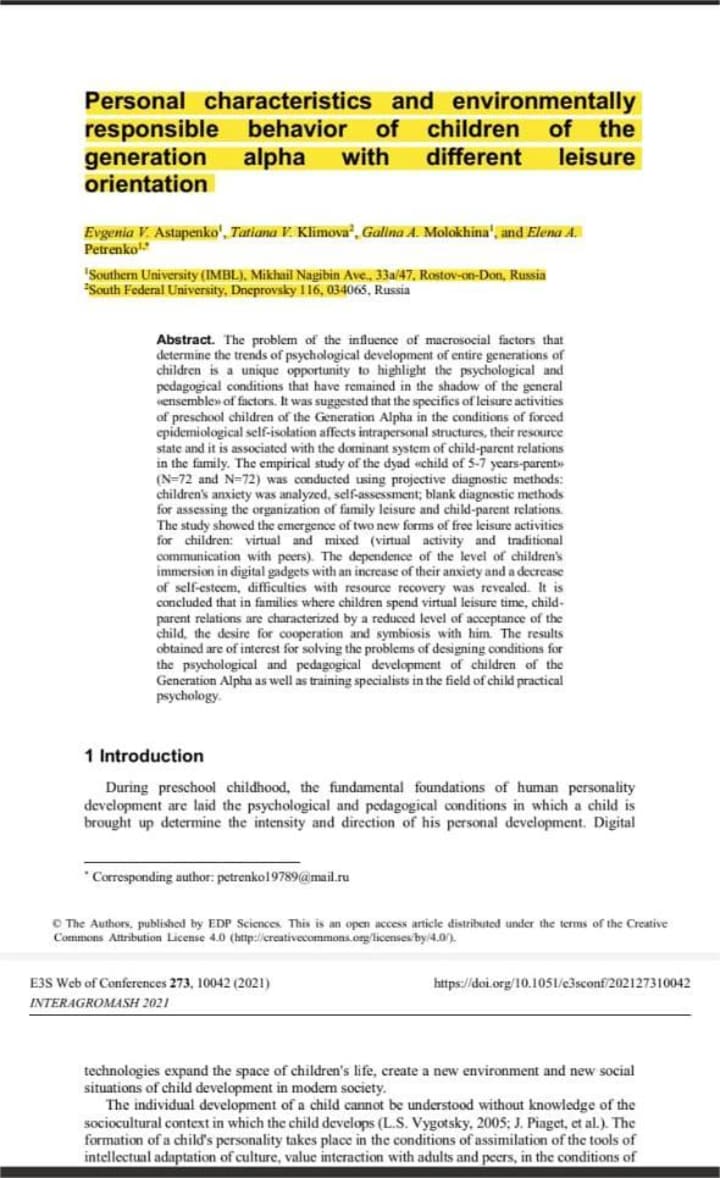
Sleep Disturbances: 25% of Gen Alpha children report sleep difficulties, often due to increased digital device usage.
Attention Deficits: Attention spans among Gen Alpha children have decreased by approximately 30% compared to previous generations.
The constant exposure to screens and digital content has created an environment where children are more prone to mental health issues.
Social Media and Cyberbullying
Social media platforms, while offering connectivity, have also introduced new challenges. About 15% of Gen Alpha children report experiencing cyberbullying, leading to increased rates of depression and anxiety. Early exposure to social media has been correlated with mental health issues later in life, as children face pressures related to social comparison and online validation
Pandemic-Induced Isolation
The COVID-19 pandemic disrupted daily life, leading to increased isolation for many children. During the pandemic, 70% of children aged 7-12 reported feeling lonely. This isolation has had lasting effects on social-emotional development, with many children struggling to form or either in rebuilt their genuine previous connections.
Academic Pressure and Information Overload
Educational stress affects about 35% of Gen Alpha students, particularly in academically focused households. The pressure to perform academically, coupled with information overload which highlighted issue of stress and anxiety among children
Solution: Addressing the Crisis Of Gen Alpha
Addressing the mental health crisis among Gen Alpha requires approach involving parents, educators, healthcare providers, and policymakers.
Promoting Digital Literacy and Healthy Screen Habits
Educating children and parents about healthy screen habits is crucial. Setting limits on screen time, encouraging offline activities, and promoting digital literacy can help in reducing the adverse effects of excessive screen use.
Encouraging Open Conversations About Mental Health
Creating an environment where children feel safe to express their feelings is essential. Open conversations about mental health can reduce stigma and encourage children to seek help when needed.
Providing Mental Health Education in Schools
Integrating mental health education into the curriculum, providing access to counseling services, and training educators to recognize signs of mental distress can make a significant difference.
Advocating for Policy Changes
Policymakers must prioritize children’s mental health by allocating resources for mental health services, implementing regulations to protect children from online harm, and supporting research into effective interventions.
Call to Action: A Collective Responsibility
The mental health of Gen Alpha is a collective responsibility. Parents, educators, healthcare providers, and policymakers must work together to create an environment that supports the well-being of our children. By acknowledging the challenges and taking proactive steps, we can help Gen Alpha navigate the complexities of their world and emerge resilient.
If you’re a parent or educator, consider implementing strategies to support mental health in your community. If you’re a policymaker, advocate for policies that prioritize children’s mental health. Together, we can make a difference
About the Creator
umamanidrah
Hello to all, My name is Umama Nidrah and by profession I'm a physiotherapist and I am seeking for Article writing , Blog writing that is related to health with some interesting initiatives which are also uptodate.
Keep reading
More stories from umamanidrah and writers in Journal and other communities.
Author’s Advice
If you would’ve asked me 20 years ago did I know I’d become a writer and an author, I would’ve said “nope, ain’t happening”. As fate would have it I did become an author and I can honestly say I’m loving it so far. It really does feel good to be a writer. I’ve learned a lot on this journey and I feel like with even me being as new to this world as I am, there’s some wisdom I need to share with every other aspiring author.
By Joe Patterson2 days ago in Journal




Comments
There are no comments for this story
Be the first to respond and start the conversation.