
The Global Cost of Tariffs: How Trade Barriers Impact Earth’s Economy and Environment
Balancing Economics and Environment: Rethinking Tariffs for a Sustainable Global Future
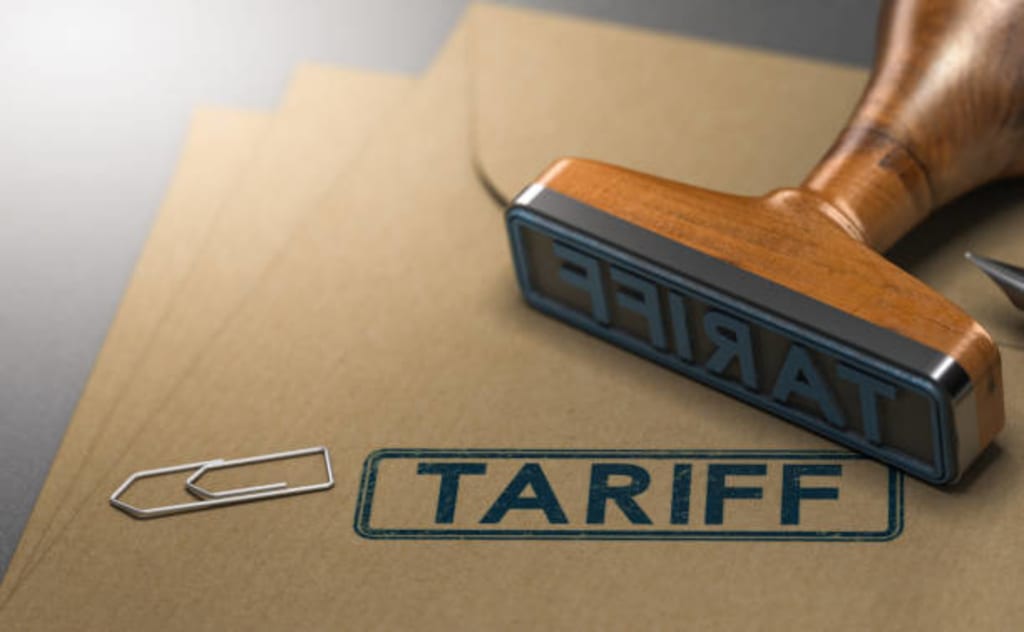
Economics, politics, and protectionism all play a role in the discussion of tariffs, or taxes on imported goods. However, their influence goes far beyond national interests and market strategies. Tariffs have an impact not only on economies but also on the environment, public health, and global equity in today's interconnected world. Understanding how trade barriers like tariffs affect human progress and the planet we share is essential as nations confront rising climate concerns and the need for sustainable development.
What Are Tariffs and Why Are They Imposed?
The goal of tariffs is to make imported goods more expensive than those made in the country. Governments use them for several reasons: to protect local industries from foreign competition, to raise government revenue, or as tools of negotiation or retaliation in international trade disputes. While tariffs can provide short-term benefits like job preservation or economic stimulus in particular industries, they can also have unintended effects. The Impact of Economic Dominoes Tariffs have the potential to destabilize established trade ties, instill market uncertainty, and escalate into trade wars on a global scale. Trade friction can be detrimental to both economies when countries impose additional tariffs in response to each other's tariffs. Products become more expensive for consumers, production costs rise, and supply chains become less efficient. Tariffs can also reduce market access for smaller economies that rely heavily on exports. This leads to reduced economic opportunities for developing nations, potentially widening the global inequality gap.
The result is clear for customers: higher prices. From smartphones to basic groceries, tariff-induced price hikes can burden households and reduce overall spending power, particularly in lower-income communities.
Impact on the Environment:
A Hidden Cost One of the most overlooked aspects of tariffs is their effect on the environment. When tariffs are placed on eco-friendly products—such as solar panels, wind turbines, or electric vehicles—it can discourage adoption and slow down the global shift toward renewable energy. This undermines efforts to reduce carbon emissions and combat climate change.
Conversely, protectionist tariffs can encourage increased local production in countries that may lack stringent environmental regulations. For example, if a country with lax pollution controls ramps up steel or chemical production due to reduced imports, the net result could be a rise in emissions and environmental degradation.
In contrast, lowering tariffs on environmentally sustainable goods can have the opposite effect—encouraging green innovation, reducing emissions, and making eco-friendly technologies more affordable worldwide.
Tariffs on Agriculture:
Agriculture tariffs threaten food security. Agricultural tariffs can severely affect global food systems. When countries impose high tariffs on imported crops, it can lead to food shortages or inflated prices in markets that rely on those goods. This could make essential food items out of reach for millions of people in developing nations, jeopardizing nutrition and food security. Additionally, unpredictability in trade barriers can hinder international cooperation and sustainable agricultural investment. In times of crisis—like climate-related crop failures—tariffs can delay or reduce access to critical food imports.
Toward Smarter, Greener Trade Policies:
Tariffs are a powerful policy tool, but they must be used with foresight. Trade policies should support environmental and social goals while strengthening international cooperation rather than isolating economies. Policymakers should consider reducing or eliminating tariffs on green technologies, clean energy products, and sustainable goods. At the same time, international trade agreements should include environmental protections, labour standards, and equitable access clauses.
Using trade as a lever to promote sustainability and global well-being, nations can also collaborate to create incentives for eco-friendly production and responsible global sourcing.
Final Thoughts:
Tariffs are more than economic tools—they are decisions with wide-ranging consequences for the planet. As the world faces mounting climate and inequality challenges, trade policies must evolve beyond short-term profit and political positioning. It is time to establish a trading system that not only safeguards the planet and the people who rely on it but also supports economies.
About the Creator
Ahmed Bin Belal
Digital storyteller exploring esports, gaming, and tech’s rise. I write insights on players, trends, and the future of digital culture on Vocal.
Keep reading
More stories from Ahmed Bin Belal and writers in Journal and other communities.
The Future of Esports: A Digital Arena on the Rise
Esports, once a specialized pastime restricted to internet cafés and regional tournaments, is now a global phenomenon. It now has massive stadium events, prize pools worth millions of dollars, and a growing presence in mainstream media. As technology advances and global interest surges, the future of esports appears more promising than ever, poised to redefine the boundaries between sports and entertainment.
By Ahmed Bin Belal9 months ago in Gamers
How AI Tools for SEO Changed the Way I Create Content and Rankings
I still remember the first time I heard someone say that artificial intelligence would replace SEO writers. At that time, I was already struggling to balance keyword research, content planning, optimization, and the constant pressure to rank higher on search engines. SEO felt less like creativity and more like a never-ending checklist. That was the moment when I decided to give AI tools for SEO a serious try, not as a shortcut, but as a support system.
By Anthony Rodgers5 days ago in Journal
Smart phones, Humans and Aliens.
WARNING. I will be tapping into one of your favorite creative tensions: The absurdity of humans worshipping their glowing rectangles as if they were tiny oracles. There’s something deliciously poetic about that contradiction, and it lends itself beautifully to an instructive proviso.
By Novel Allen5 days ago in Poets




Comments
There are no comments for this story
Be the first to respond and start the conversation.