
The Glamorous Illusion: How Fake Are the Lives of Celebrities?
Unmasking the Realities Behind Social Media, Paparazzi Culture, and Paid Hype
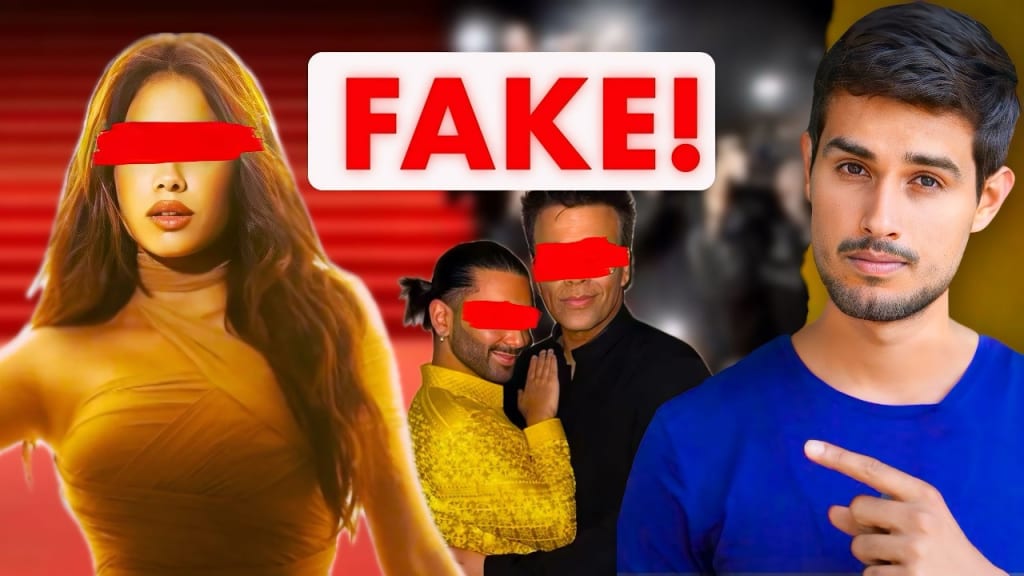
The lives of celebrities, as portrayed on social media and in tabloids, are often a carefully curated spectacle of glamour, success, and perfection. But how real is this facade? Behind the glitz and glamor lies a web of paid trends, orchestrated appearances, and artificial hype, all designed to maintain a star's relevance and boost their projects. This article delves deep into the mechanisms that construct this illusion and explores the blurred line between authenticity and performance in celebrity culture.
The Paparazzi Phenomenon: Coincidence or Strategy?
Have you ever noticed that Bollywood celebrities are frequently followed by paparazzi wherever they go? Whether it's an airport late at night, a gym in the afternoon, or a local market, paparazzi conveniently "happen" to be there, cameras ready. This raises a pertinent question: is it purely coincidental or meticulously planned?
For the average person commuting in a metro or an auto rickshaw, no paparazzi are present to document their daily life. Yet, for certain celebrities, even mundane activities become newsworthy. While it may seem like an invasion of privacy, many celebrities intentionally coordinate with paparazzi to stage candid moments. Paid paparazzi sessions are now a well-established business model in India, transforming a relatively unknown face into a media sensation through repeated exposure.
The Origins of Paparazzi Culture
The term "paparazzi" has an intriguing history. It originated from the 1960 Italian film La Dolce Vita, where a character named Paparazzo was an intrusive photographer chasing celebrities for pictures. The director, Federico Fellini, revealed that the name was inspired by Italian slang for an annoying mosquito, perfectly describing the character's personality. Over time, "paparazzi" became synonymous with celebrity photographers who often disregard boundaries to capture intimate moments.
Globally, paparazzi have been criticized for their relentless pursuit of celebrities, sometimes with tragic consequences. The infamous car accident that claimed Princess Diana’s life in 1997 was partly attributed to paparazzi chasing her vehicle. This incident prompted debates about the ethical limits of paparazzi culture.
In India, paparazzi culture began to take shape in the 1990s, coinciding with the rise of tabloids like Stardust and Bombay Times. Back then, candid photographs of celebrities were rare and highly sought after. The lack of social media heightened public curiosity about celebrities' personal lives, fueling the growth of this industry.
From Candid to Curated: The Social Media Era
With the advent of social media, the dynamics of paparazzi and celebrity publicity underwent a seismic shift. Celebrities no longer rely solely on third parties to shape their public image; they now use platforms like Instagram and Twitter to curate their personas. However, this shift has also given rise to new forms of paid publicity.
Many paparazzi openly admit that smaller or newer celebrities often pay to have their photos clicked and published. This practice helps them gain visibility and establish a foothold in the industry. Meanwhile, established A-list celebrities, like Shah Rukh Khan or Aamir Khan, rarely need such publicity, as their authentic presence continues to attract attention.
A revealing interview with a paparazzi professional highlighted two types of celebrities: those who pay for staged photos and those whose genuine moments are captured due to public demand. This dichotomy underscores the performative nature of celebrity culture, where authenticity is often overshadowed by strategic self-promotion.
The Role of Paid Social Media Trends
Social media has become a powerful tool for shaping public perception, and celebrities are no strangers to its potential. From paid posts to orchestrated hashtags, platforms like Twitter and Instagram are inundated with promotional content disguised as organic engagement.
Take, for example, the release of a major Bollywood film. It’s common to see hashtags like #BlockbusterHit or #FilmOfTheYear trending on social media. Upon closer inspection, many of these posts come from accounts managed by PR firms. In some cases, identical language is used across multiple tweets, revealing the artificial nature of the hype.
A notorious example involved the film Rocky Aur Rani Ki Prem Kahaani. Social media was flooded with glowing reviews using eerily similar phrases, all originating from PR-managed accounts. While the film may have genuinely resonated with audiences, the extent of paid promotions raises questions about the authenticity of online reviews.
Corporate Bookings and Inflated Box Office Numbers
The illusion extends beyond social media to box office collections. A new trend, known as corporate bookings, has emerged in the film industry. Producers collaborate with brands and corporates to book entire cinema halls under the guise of promotional activities or employee engagement. This tactic creates the illusion of a "houseful" show, generating hype and motivating the general public to watch the film.
In 2023, a family entertainer reportedly spent ₹200 million on corporate bookings, while two major releases at the year's end allocated over ₹700 million to this practice. The reality of empty cinema halls starkly contrasts with the "sold-out" status displayed on ticketing platforms. Such practices inflate box office numbers, misleading audiences and stakeholders alike.
The Business of Awards: Bought, Not Earned
Awards in the entertainment industry are often perceived as the ultimate recognition of talent. However, allegations of bribery and favoritism have eroded the credibility of these accolades. Shah Rukh Khan once humorously admitted in an interview that he offered to pay for a Best Actor award early in his career, though the editor declined.
Today, awards shows frequently create arbitrary categories to accommodate as many winners as possible. From "Trendsetter of the Year" to "Nothing to Hide Award," these new categories dilute the significance of traditional awards. Celebrities like Aamir Khan, who have boycotted award shows for decades, highlight the industry's lack of transparency.
The influencer community has not been spared from this trend. Influencer awards often come with strings attached, requiring recipients to promote the awarding brand or event. This commercialization undermines the integrity of these recognitions.
The Thin Line Between Authenticity and Performance
While some celebrities genuinely value their privacy and avoid the spotlight, others actively seek publicity through paid tactics. The Kardashian-Jenner family serves as a prime example in Hollywood. Kim Kardashian has been accused of editing her paparazzi photos before publication, blurring the line between candid and curated.
In India, the phenomenon is similar. Paparazzi culture thrives on mutual benefits, with celebrities leveraging it to stay relevant and media outlets profiting from increased viewership. However, this symbiotic relationship often leaves audiences questioning what is real and what is fabricated.
The Ethical Implications of Manufactured Fame
The manufactured nature of celebrity culture raises ethical concerns. From invading privacy to promoting unrealistic standards, the industry often prioritizes profit over authenticity. The constant pressure to maintain a perfect public image takes a toll on celebrities' mental health, as they navigate a world where perception often outweighs reality.
For audiences, the illusion can create unattainable aspirations and distorted views of success. Recognizing the artificial elements of celebrity culture is essential for fostering a healthier relationship with media and entertainment.
Conclusion: The Cost of the Glamorous Illusion
The world of celebrities is a finely tuned performance, where paid trends, staged photos, and inflated statistics create an illusion of perfection. While some aspects of this industry are rooted in genuine talent and hard work, much of what audiences see is a calculated effort to maintain relevance and marketability.
As consumers of this content, it is crucial to approach celebrity culture with a critical eye. By understanding the mechanisms behind the glitz and glamor, we can appreciate the artistry without falling for the illusion. After all, even the brightest stars in the sky are often surrounded by darkness—a reminder that not everything is as it seems.
About the Creator
Keep reading
More stories from Sajjad Rana Hussain and writers in Journal and other communities.
Inside Africa’s Most Mysterious Religion: Voodoo
I have never encountered anything of this nature previously; there exists a small community scattered across the globe that practices an enigmatic religion known as Voodoo. I implore you to explore this phenomenon, particularly the Masquerade associated with it. This religion has been linked to rituals, dark magic, witchcraft, and all manner of sinister acts. In this video, I embark on a journey to a country where this mysterious religion is still actively observed, aiming to unravel the reasons behind the pervasive fear surrounding it. After conducting some preliminary research, I also discovered rumors about a powerful spirit that supposedly hovers in the air. My plan was to ascertain if these claims were mere fabrications. I allotted myself a meager 48 hours to locate this ethereal entity.
By Sajjad Rana Hussain3 years ago in Journal
The goals I did not achieve
Every writing goal I made for the year is a wash. It has been this way for a while, but I think it's important to be open about my failures and the reality of how life can get in the way. This is especially true considering the several times I have posted on Vocal about my writing goals, how I was changing my approach, and where I was hoping to be for the upcoming year. I will probably do that again in a couple months, but for now, it is time to acknowledge where I am today.
By Kay Husnick24 days ago in Journal
How AI Is Reshaping the Future of Software Development
Artificial intelligence is no longer an experiment running in parallel to engineering. It has moved directly into the production pipeline. For modern software development companies, AI is changing how code is written, tested, secured, and evolved. This shift is not cosmetic. It is structural. Businesses that treat AI as a feature will fall behind those that redesign their development model around it.
By Alice Carry5 days ago in Journal




Comments
There are no comments for this story
Be the first to respond and start the conversation.