
The Future of Grocery Shopping: Online Grocery Market Set to Skyrocket by 2033
Discover how technology, convenience, and changing consumer habits are transforming the $595B online grocery industry.

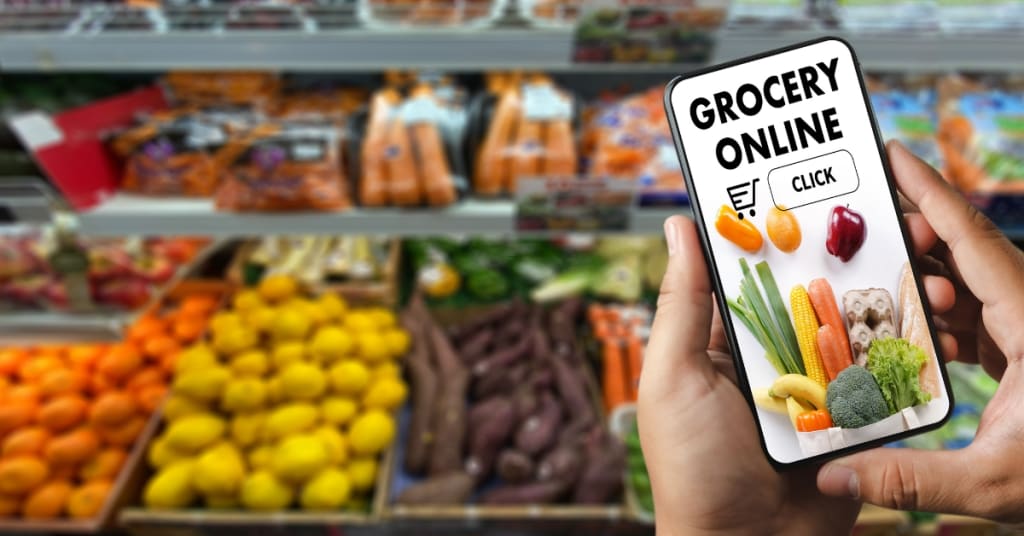
Online Grocery Market Trends & Summary: Revolutionizing How We Shop for Food
The online grocery market is experiencing unprecedented growth, transforming the way consumers purchase their daily food and household products. Valued at US$ 595.58 billion in 2024, this market is projected to soar past US$ 3,610.94 billion by 2033, growing at an impressive CAGR of 22.17% from 2025 to 2033. The driving forces behind this growth are changing consumer behaviors, the rise of e-commerce platforms, and technological advancements that simplify grocery shopping.
In this comprehensive guide, we’ll explore market trends, regional insights, growth drivers, challenges, and the key players shaping the global online grocery landscape, giving you a complete picture of this booming industry.
What is the Online Grocery Market?
Online grocery shopping refers to buying food and household products via digital platforms, such as websites or mobile applications. From fresh produce to packaged foods, beverages, cleaning supplies, and personal care items, consumers can shop from anywhere and receive products at their doorstep.
The convenience of this model appeals especially to:
- Working professionals with limited time
- Young families juggling busy schedules
- Consumers seeking specialty or organic products not readily available in local stores
Additionally, many platforms now offer subscription services, personalized recommendations, and fast delivery options, further enhancing customer satisfaction. Integration with AI and other advanced technologies enables inventory management, efficient logistics, and an overall superior shopping experience.
Key Drivers of Growth in the Online Grocery Market
1. Rising Digital Adoption and Internet Penetration
The global surge in smartphone usage, internet access, and digital literacy has made online grocery shopping more accessible than ever. Consumers can browse multiple platforms with just a few clicks, comparing prices and reading reviews.
Even remote and rural areas are experiencing improved connectivity, allowing retailers to tap into a larger, tech-savvy customer base. For instance, in 2024, American adults aged 18+ were expected to spend an average of 3 hours and 45 minutes daily on mobile internet activities, highlighting the immense potential for digital commerce.
2. Convenience and Time-Saving Features
One of the primary reasons consumers turn to online grocery platforms is convenience.
- No need to visit physical stores: Saves time spent commuting and waiting in line
- Scheduled deliveries: Customers can choose delivery slots that fit their routines
- Automated reordering: Frequent purchases can be automatically replenished
- Home delivery of fresh groceries: Ensures freshness without physical effort
This convenience-oriented approach appeals to a broad demographic, from busy professionals to seniors and people with mobility challenges.
3. Advanced Technology Enhancements
Technology is revolutionizing the online grocery experience:
- AI-powered recommendations suggest products based on preferences
- Voice-activated ordering makes shopping faster and hands-free
- Real-time delivery tracking ensures transparency
- Optimized logistics improve delivery speed and reduce errors
Retailers leveraging tech-enabled platforms enjoy better engagement, customer loyalty, and long-term market growth. A notable example is TikTok launching its e-commerce grocery platform in the U.S. in 2023, demonstrating how digital giants are entering this space.
Challenges in the Online Grocery Market
Despite rapid growth, the online grocery sector faces notable hurdles.
1. Logistics and Delivery Complexity
Fresh and perishable items, such as produce, dairy, and meat, require careful handling and speedy delivery to maintain quality. Retailers must invest in:
- Refrigerated storage solutions
- Efficient distribution centers
- Advanced last-mile delivery systems
Balancing speed, accuracy, and cost is critical. Delayed or inaccurate deliveries can significantly affect customer satisfaction and retention.
2. Competition and Price Sensitivity
The market is highly competitive, with major players and niche platforms vying for market share. Price sensitivity among consumers means:
- Constant price comparisons across platforms
- Heavy reliance on promotions, discounts, and loyalty programs
- Difficulty for new entrants to establish a foothold
Large retailers benefit from economies of scale in logistics, making it challenging for smaller companies to compete effectively.
👉 For deeper analysis, detailed segment data, and company insights: 🔗 Request Customization Report
Segments of the Online Grocery Market
The online grocery market is diverse, with multiple product categories, purchaser types, delivery options, and payment methods:
Product Segmentation:
- Ready-to-eat Breakfast & Dairy
- Staples & Cooking Essentials
- Snacks & Beverages
- Meat & Seafood
- Fresh Produce
- Others
Purchaser Type:
- Ready-to-eat Subscription Purchase
- One-Time Purchase
- Delivery Type:
- Ready-to-eat Click & Collect
- Home Delivery
Payment Mode:
- Online
- Cash on Delivery
This segmentation allows retailers to tailor offerings to specific customer needs, driving adoption and repeat purchases.
Regional Insights
United States
The U.S. leads the online grocery market, driven by advanced e-commerce infrastructure and tech-savvy consumers. Major players include Walmart, Kroger, and Instacart, offering convenient home delivery and pickup services.
- Walmart’s Bettergoods brand (2024): Focused on chef-inspired and trend-driven foods
- Instacart: Expanding reach through partnerships with grocery chains
Consumers increasingly prefer fast, convenient, and reliable online shopping, fueling continuous growth.
United Kingdom
The UK boasts a highly developed online grocery market, led by Tesco, Sainsbury’s, Asda, and Ocado. Key trends include:
- Growth in food delivery services
- Partnerships with delivery platforms
- Increased demand for healthy, contactless shopping
In September 2024, Co-op launched 24-hour online grocery delivery, catering to flexible consumer schedules.
China
China’s online grocery sector is booming due to e-commerce adoption and mobile payments. Key players include Alibaba’s Tmall, JD.com, and Douyin, offering a wide range of groceries.
- AI integration for inventory management
- Fast and convenient delivery services
- Growing urbanization and digital literacy
- These factors drive rapid adoption and expand market opportunities.
Brazil
Brazil is the leader in Latin America’s online grocery market. Growth drivers include:
- Increased smartphone usage
- Wider internet access
- Urbanization and busy lifestyles
Major players like Carrefour, GPA, and iFood have strengthened online grocery offerings with flexible delivery and subscription services.
United Arab Emirates
The UAE’s online grocery market is expanding rapidly, fueled by high internet penetration and tech-savvy consumers. Key players like Carrefour UAE, Instashop, and Zadina provide efficient delivery solutions.
- December 2024: Carrefour UAE launched all-day express grocery delivery in Dubai
- Consumers increasingly demand contactless, fast, and convenient shopping
Ready-to-Eat Subscription Purchase Trend
Subscription-based ready-to-eat meals are rapidly gaining popularity. Consumers receive meal kits or individual meals delivered at home, catering to busy lifestyles and health-conscious diets.
Key drivers include:
- Customizable meal plans
- Flexible delivery schedules
- Innovations in packaging, meal variety, and sustainability
This trend is expected to continue expanding globally, particularly among urban professionals.
Home Delivery Online Grocery Market
Home delivery remains a core growth segment. Grocery orders are delivered from supermarkets, fresh produce houses, or packaged-goods retailers directly to homes.
- Major players: Amazon Fresh, Walmart, local grocery chains
- Features: Same-day delivery, scheduled slots, app-based tracking
- Increasing demand due to convenience and health considerations
The home delivery model aligns with evolving consumer preferences for fast, safe, and flexible shopping experiences.
Key Players in the Online Grocery Market
The competitive landscape includes global leaders investing heavily in technology, logistics, and consumer engagement:
- Tesco Plc.
- Walmart Inc.
- Auchan SA
- The Kroger Co.
- Carrefour
- Costco Wholesale Corporation
- Koninklijke Ahold Delhaize N.V.
- Target Corporation
These companies focus on:
- Innovative delivery options
- Subscription and loyalty programs
- Product diversification and sustainability initiatives
Why the Online Grocery Market is Here to Stay
Several trends indicate sustained growth for the online grocery sector:
- Increasing preference for convenience and time-saving solutions
- Integration of AI and mobile technology for personalized shopping
- Expansion of subscription models and ready-to-eat meal kits
- Regional growth in China, Brazil, UAE, and the U.S.
- Rising adoption of contactless and sustainable practices
With digital shopping becoming an essential part of modern life, the online grocery market will continue to reshape the retail landscape globally.
Key Questions the Market Addresses:
- How will consumer preference for convenience drive growth in online groceries?
- What role does AI and technology integration play in customer retention?
- How are logistics and perishable delivery challenges being tackled?
- What is the potential of subscription-based ready-to-eat meal services?
- How do regional differences impact online grocery adoption?
- Which countries are driving e-commerce grocery growth globally?
- How does price sensitivity influence competition among online grocery platforms?
- What are the emerging trends in delivery and payment methods?
- Who are the major players, and what strategies are they using to gain market share?
- How will future innovations impact the expansion of the online grocery market?
Final Thoughts
The online grocery market is no longer a convenience; it is rapidly becoming a necessity in the digital age. With consumer behaviors evolving, technology advancing, and delivery systems improving, this market is poised for exponential growth. Companies that leverage innovation, convenience, and customer-centric strategies will lead the next wave of grocery retail globally.
About the Company:
Renub Research is a Market Research and Consulting Company. We have more than 15 years of experience especially in international Business-to-Business Researches, Surveys and Consulting. We provide a wide range of business research solutions that helps companies in making better business decisions. We partner with clients in all sectors and regions to identify their highest-value opportunities, address their most critical challenges, and transform their businesses. Our wide clientele comprises major players in Healthcare, Travel and Tourism, Food Beverages, Power Energy, Information Technology, Telecom Internet, Chemical, Logistics Automotive, Consumer Goods Retail, Building, and Construction, Agriculture. Our core team is comprised of experienced people holding graduate, postgraduate, and Ph.D. degrees in Finance, Marketing, Human Resource, Bio-Technology, Medicine, Information Technology, Environmental Science, and many more.
Contact Us:
Company Name: Renub Research
Contact Person: Rajat Gupta
Phone No: (D) +91-120-421-9822 (IND)
Email: [email protected]
About the Creator
Renub Research
Renub Research is a Market Research and Consulting Company. We have more than 15 years of experience especially in international Business-to-Business Researches, Surveys and Consulting. Call Us : +1-478-202-3244
Keep reading
More stories from Renub Research and writers in Journal and other communities.
Automotive Lighting Market 2025-2033: How LEDs, Smart Systems, and EVs Are Driving a $58.8B Revolution
Automotive Lighting Market Size and Forecast 2025-2033 The automotive lighting market is projected to reach US$ 58.80 billion by 2033, growing from US$ 34.60 billion in 2024, at a CAGR of 6.07% during the forecast period of 2025-2033. This growth is fueled by the increasing demand for energy-efficient lighting solutions, rapid advancements in LED and adaptive lighting technologies, and rising global vehicle production.
By Renub Research5 months ago in Journal
The goals I did not achieve
Every writing goal I made for the year is a wash. It has been this way for a while, but I think it's important to be open about my failures and the reality of how life can get in the way. This is especially true considering the several times I have posted on Vocal about my writing goals, how I was changing my approach, and where I was hoping to be for the upcoming year. I will probably do that again in a couple months, but for now, it is time to acknowledge where I am today.
By Kay Husnick17 days ago in Journal
Aligning Goals with Real-World Client Progress
Full Introduction As we move into 2026, the clinical landscape has shifted away from rigid, manualized treatment plans toward a more fluid, outcome-informed approach. Aligning therapeutic goals with real-world progress is no longer just about checking off symptoms on a checklist; it is about ensuring that the changes happening inside the therapy room are translating into functional improvements in the client's daily life. Research in 2026 emphasizes that when goals are deeply rooted in a client's personal values and real-world context, treatment engagement increases and the risk of dropout significantly decreases. This alignment requires a continuous feedback loop where goals are regularly audited and refined based on the client's actual lived experience between sessions.
By Abdul Mueed5 days ago in Journal


Comments
There are no comments for this story
Be the first to respond and start the conversation.