
The future of Dropshipping: Trends and predictions
Exploring the Evolution of Dropshipping and What to Expect in the Coming Years
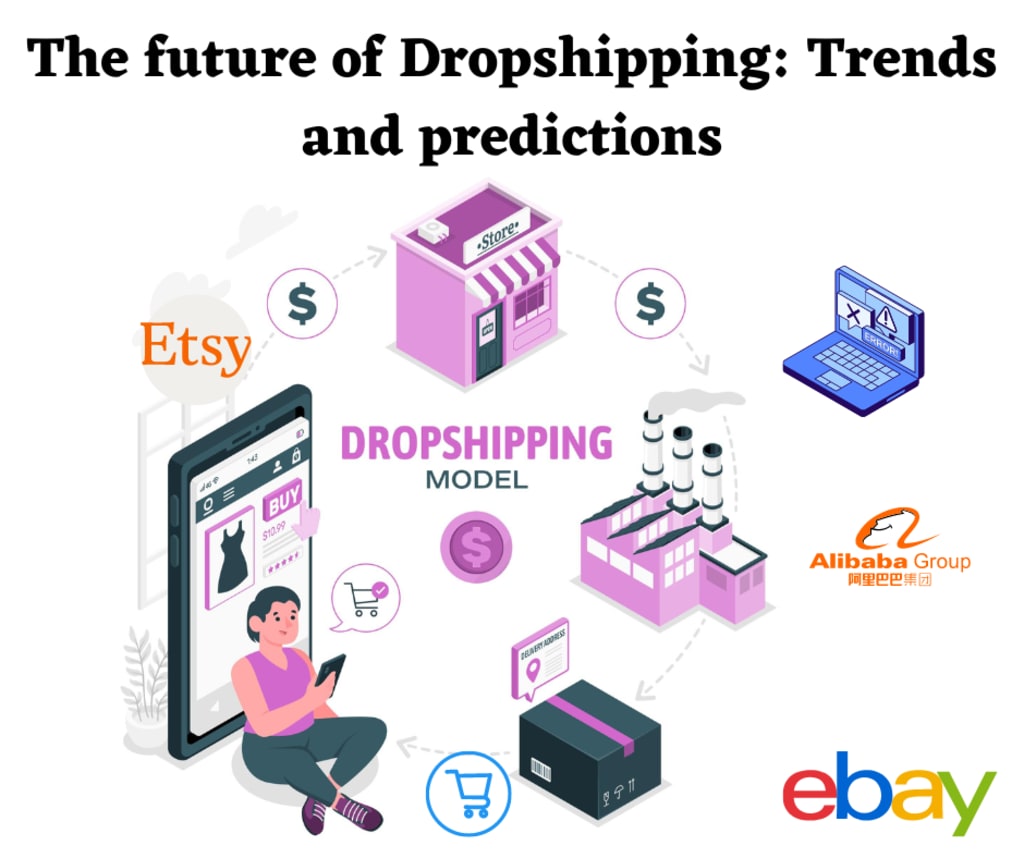
Dropshipping is a retail fulfillment method where a store doesn't keep the products it sells in stock. Instead, when a store sells a product, it purchases the item from a third party and has it shipped directly to the customer. This way, the seller never handles the product directly.
As the world of e-commerce continues to evolve, it's important to discuss the future of dropshipping. With ongoing technological advancements, changes in consumer behavior, and global economic shifts, the future of dropshipping is becoming increasingly important to understand. This article will explore the current state of dropshipping, trends in the industry, predictions for the future, as well as the challenges and opportunities that lie ahead for dropshippers.
Current State of Dropshipping
The current state of dropshipping is characterized by a growing market and a significant increase in the number of dropshippers. Here are some key aspects of the current state of dropshipping:
Market size and growth: According to Grand View Research, the global dropshipping market size was valued at $102.2 billion in 2020 and is expected to grow at a CAGR of 28.8% from 2021 to 2028.
Popular dropshipping platforms and marketplaces: Some of the most popular dropshipping platforms and marketplaces include AliExpress, Oberlo, SaleHoo, and Doba. These platforms provide a wide range of products and allow dropshippers to easily source and sell products without having to manage inventory.
Benefits of dropshipping: One of the main benefits of dropshipping is the low startup costs. Dropshippers do not need to invest in inventory or a physical storefront, making it an accessible option for many entrepreneurs. Additionally, dropshipping allows for a flexible work schedule and location independence.
Drawbacks of dropshipping: Dropshipping has several drawbacks, including low-profit margins, limited control over shipping and product quality, and increased competition due to the low barriers to entry.
Common challenges faced by dropshippers: Some of the most common challenges faced by dropshippers include finding reliable suppliers, managing inventory and order fulfillment, dealing with shipping and handling issues, and keeping up with market trends and consumer demands.
Trends in Dropshipping
As the dropshipping industry continues to evolve, several trends have emerged that are shaping the future of the industry. Here are some of the key trends in dropshipping:
The rise of niche markets: One of the most significant trends in dropshipping is the increased focus on niche markets. With increased competition, many dropshippers are turning to specialized markets to stand out and attract customers. Niche markets can include products that serve a particular interest or demographic, such as eco-friendly products or products for a specific hobby.
The increased importance of customer experience: As the e-commerce industry becomes more competitive, the customer experience has become a critical factor in success. Dropshippers need to provide a seamless and personalized customer experience, including fast shipping, easy returns, and excellent customer service.
Importance of social media marketing: Social media has become an essential tool for dropshippers to market their products and reach a wider audience. Platforms such as Instagram, Facebook, and TikTok offer opportunities for dropshippers to showcase their products and engage with their audience. Influencer marketing is also becoming a popular strategy for promoting products and building brand awareness.
these trends reflect the changing needs and preferences of consumers and highlight the importance of adapting to stay competitive in the dropshipping industry.
Predictions for the Future of Dropshipping
As the dropshipping industry continues to evolve, several predictions can be made about its future. Here are some key predictions for the future of dropshipping:
The continued growth of the market: The dropshipping market is expected to continue its growth trajectory in the coming years, driven by increasing demand from consumers for online shopping and the growing popularity of e-commerce.
More emphasis on automation and technology: The use of automation and technology is expected to increase in the dropshipping industry, helping to streamline the process of managing inventory, order fulfillment, and shipping. This will enable dropshippers to operate more efficiently and effectively.
Increased competition: As the industry grows, competition is expected to intensify, making it more challenging for dropshippers to stand out. Those who are successful will need to be creative in their marketing strategies, offer unique products, and provide exceptional customer service.
More focus on customer retention and loyalty: With increased competition, dropshippers will need to focus more on customer retention and loyalty to maintain their customer base. This will involve creating a positive customer experience, offering incentives for repeat purchases, and building a strong brand identity.
Challenges and Opportunities for Dropshippers
While dropshipping presents many benefits, it also comes with several challenges that must be addressed. Here are some of the most common challenges faced by dropshippers and some potential solutions:
- Finding reliable suppliers: Dropshippers must rely on their suppliers to provide quality products and timely shipping. To address this challenge, dropshippers can research potential suppliers thoroughly, read reviews, and communicate expectations clearly.
- Managing inventory and order fulfillment: Dropshippers need to keep track of inventory levels and ensure that orders are fulfilled promptly. Using inventory management software and automating the order fulfillment process can help streamline this process.
- Dealing with shipping and handling issues: Shipping and handling issues can lead to customer dissatisfaction, so it is essential to have a clear process in place for dealing with these issues, including offering timely refunds or replacements.
- Staying up-to-date with market trends and consumer demands: Dropshippers need to keep up with market trends and consumer demands to remain competitive. This can be done by conducting market research, following industry influencers and thought leaders, and utilizing analytics tools to track sales trends.
Despite these challenges, the dropshipping industry presents several opportunities for growth and success. Here are some of the key opportunities for dropshippers:
• Access to a global market: Dropshipping allows entrepreneurs to sell products worldwide without having to manage a physical storefront, opening up opportunities for global expansion.
• Low startup costs: The low startup costs associated with dropshipping make it an accessible option for entrepreneurs with limited capital.
• Flexible work schedule: Dropshipping allows entrepreneurs to work on their own schedule, providing flexibility and work-life balance.
• Opportunities for niche marketing: With the rise of niche markets, dropshippers can capitalize on unique product offerings and targeted marketing strategies to attract a dedicated customer base.
While dropshipping presents its own set of challenges, it also provides many opportunities for growth and success for entrepreneurs who are willing to adapt and innovate.
Conclusion
The future of dropshipping looks bright, with continued growth expected in the industry in the coming years. As e-commerce continues to expand, dropshippers will have the opportunity to capitalize on the growing demand for online shopping and the increasing popularity of niche markets. However, with this growth comes increased competition and the need for dropshippers to be adaptable and innovative to stay ahead.
To succeed in the future of dropshipping, entrepreneurs must focus on building a strong brand identity, providing exceptional customer service, and using automation and technology to streamline operations. Additionally, dropshippers should take steps to address common challenges, such as finding reliable suppliers and managing inventory and order fulfillment, while also capitalizing on the opportunities presented by the industry, such as access to a global market, low startup costs, and flexible work schedules.
About the Creator
Russian ‘Shadow Fleet’ LNG Tankers Reroute After Blast Sinks ‘Arctic Metagaz’ in Mediterranean
One of Russia’s sanctioned liquefied natural gas (LNG) carriers has sunk in the Mediterranean Sea, prompting remaining vessels tied to the Kremlin’s so‑called “shadow fleet” to halt, delay, or change routing as fears grow about the safety of key shipping corridors. The incident — which Moscow says was caused by a Ukrainian naval drone attack — highlights escalating risks to maritime energy transport as Russia’s energy exports face mounting pressure from conflict and sanctions. The Arctic Metagaz, an LNG tanker linked to Russia’s Arctic LNG 2 export project, was destroyed off the coast of Libya — roughly 150 nautical miles north of Malta — after experiencing powerful explosions and catching fire in early March. Italian and Libyan maritime authorities confirmed the vessel sank following a major blaze that engulfed it late on March 3, though all 30 crew members were safely evacuated by rescue teams. Russia Blames Ukrainian Drones In statements released after the sinking, the Russian Ministry of Transport accused Ukraine of directing a drone attack from the Libyan coast using naval unmanned boats, marking what Moscow described as an act of “international terrorism and maritime piracy.” Ukrainian officials have not publicly commented on the accusation. While state media narratives frame the incident as a deliberate strike on Russian energy infrastructure, independent verification of the attack’s cause remains limited. Some analysts note that Moscow’s sanctioned vessels, often operating outside Western restrictions, have become symbolic targets because of their role in bypassing sanctions aimed at cutting Russia’s energy revenue. A Blow to Russia’s Shadow Fleet Logistics The sinking of Arctic Metagaz has had an immediate impact on the operations of Russia’s “shadow fleet” — a collection of older tankers that transport hydrocarbons for sanctioned energy projects, such as Arctic LNG 2, around the world. The fleet has already been constrained by Western sanctions that limit access to insurance, financing, and port services, leaving only a small number of vessels able to carry cargo. Tracking data shows that several other Russian LNG carriers altered their movements in response to the blast. The Arctic Pioneer, which was transiting north through the Suez Canal at the time of the explosion, appears to have held offshore near Port Said for over 48 hours. Meanwhile, the Arctic Vostok, originally sailing westward across the eastern Indian Ocean, changed course and began heading south, possibly preparing to circumvent the Suez Canal by way of the Cape of Good Hope at Africa’s southern tip. Such deviations represent a rare and costly departure from established Arctic LNG‑to‑Asia routes. Circumnavigating Africa adds thousands of nautical miles — and weeks — to voyages, significantly increasing fuel costs, crew time, and delivery schedules. For a fleet already stretched thin, these disruptions could weaken Russia’s ability to sustain consistent LNG exports. Broader Energy Market Ripples The Arctic LNG 2 project was already running at a fraction of its full capacity due to logistical limitations and sanctions. This latest incident underscores how fragile those supply chains have become and how geopolitics can impact global energy flows far from conflict zones. Analysts warn that if other vessels begin to avoid the Mediterranean entirely, the additional transit time will reduce the number of voyages each tanker can complete in a year, tightening shipments to buyers — especially in East Asia — and potentially driving up LNG prices. Some industry observers say that Russia may have to rely increasingly on direct Arctic routes in summer months or seek alternative buyers closer to its production hubs. However, these options remain limited given fleet size and sanctions constraints. Risks to Shipping and Regional Security The incident also highlights the increasing vulnerability of energy tankers in contested waters. As global geopolitical tensions intersect — from the Ukraine war to Middle Eastern instability — commercial vessels are frequently caught between military actions and international sanctions regimes. Cruise ships, cargo carriers, and LNG tankers alike face heightened risk of unexpected attacks or collateral damage when navigating strategic chokepoints such as the Mediterranean and Suez transit route. Environmental concerns also linger following the sinking. Although LNG tankers carry less oil than typical crude carriers, authorities in the region continue to monitor the site for potential gas release or secondary impacts on marine ecosystems. Meanwhile, shipping insurers and charterers are reassessing risk models for vessels traveling near conflict zones. Looking Ahead For Moscow, the loss of Arctic Metagaz complicates an already strained export strategy and could prompt broader changes in how Russia moves LNG to global markets. Whether remaining tankers will continue to transit high‑risk corridors or adopt longer, safer routes around Africa remains an open question. The decision will hinge on geopolitical developments, insurance availability, and how both Russian and Western authorities respond to this high‑profile maritime incident.
By Fiaz Ahmed 6 days ago in Journal




Comments
There are no comments for this story
Be the first to respond and start the conversation.