
The Evolution of Beauty Standards in K-Pop: A Look at Changing Trends and Fan Reactions
Exploring the ongoing discussion about visuals and the pressure to conform.

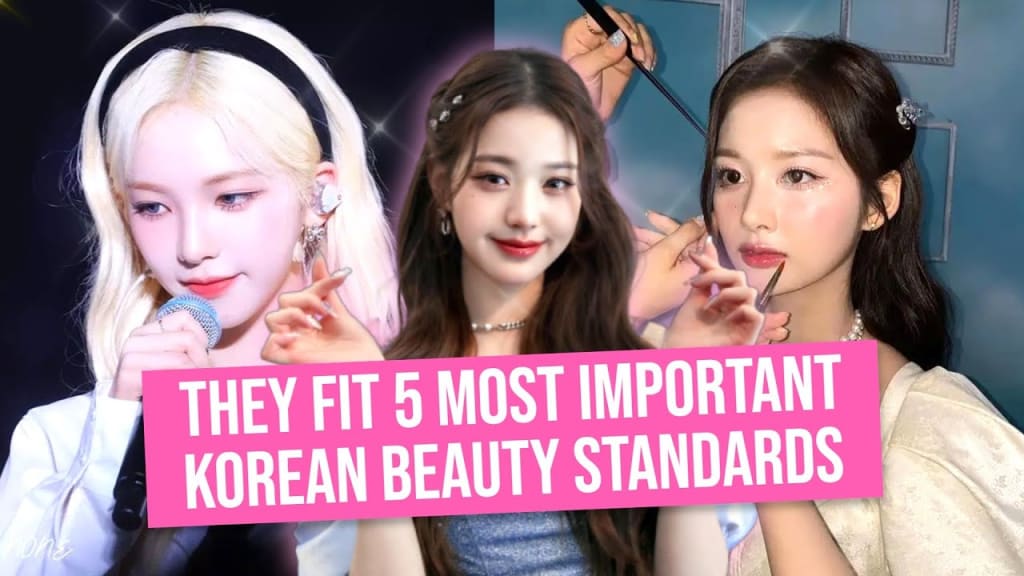
The K-pop industry is as much about visuals as it is about music. From meticulously crafted hairstyles and flawless makeup to carefully curated fashion and ideal body proportions, aesthetics play a pivotal role in an idol’s image and marketability. However, the definition of what constitutes "beautiful" in K-pop has undergone a significant evolution since the industry’s early days. Examining these shifting trends and the often-intense reactions from fans provides a fascinating insight into South Korean beauty ideals and the immense pressure idols face to conform.
In the nascent stages of K-pop, the emphasis on visuals, while present, often leaned towards a more natural and sometimes even quirky charm. Early idols sported a wider range of looks, and while grooming was important, the hyper-polished and often surgically enhanced aesthetic that dominates today was less prevalent. Think of the trends of the late 90s and early 2000s, where individuality, within certain parameters, seemed to have slightly more breathing room. Boy groups might sport dyed hair and baggy clothing, while girl groups often showcased a more innocent and approachable image.
The second and third generations of K-pop saw a noticeable shift towards more refined and standardized beauty ideals. Flawless, porcelain skin became a must-have, along with distinct double eyelids, a slim V-shaped jawline, and a petite physique. The "flower boy" aesthetic for male idols, characterized by delicate features and soft charisma, gained significant traction. For female idols, the emphasis often lay on a combination of youthful innocence and sophisticated elegance, with specific makeup trends like the "puppy-eye" look becoming popular. This era saw a rise in discussions surrounding cosmetic procedures, with many speculating on the extent to which idols were undergoing enhancements to meet these increasingly narrow standards.
The current, or fourth generation, of K-pop continues to uphold high visual standards but also showcases a subtle diversification and a growing dialogue about inclusivity. While the emphasis on flawless skin and slim figures remains, there’s a noticeable embrace of more diverse features and styles within certain groups. We see idols with deeper skin tones gaining more prominence, and while slimness is still often favored, there’s a slight shift towards appreciating different body types. Concepts are also becoming more varied, allowing for a broader range of visual presentations, from edgy and bold to ethereal and otherworldly.
However, this evolution hasn't been without its challenges and intense fan reactions. The pressure on idols to conform to these beauty standards remains immense. They are constantly under scrutiny, with every public appearance dissected and analyzed for any perceived "flaws." Weight gain, changes in makeup, or even minor skin blemishes can become trending topics and subjects of often harsh criticism. This constant pressure can take a significant toll on the idols' self-esteem and mental well-being.
Fan reactions to idols' visuals are incredibly varied and often passionate. While many fans appreciate and admire the aesthetic presentation, others express concern about the unrealistic standards being promoted. There’s an ongoing debate within the fandom about the ethics of heavily edited photos and videos, and the potential impact these idealized images have on the self-perception of young fans. Some fans actively advocate for more natural and diverse representations of beauty within the industry, celebrating idols who deviate from the traditional mold or speak out against unrealistic expectations.
The discussion surrounding beauty standards in K-pop is intrinsically linked to broader South Korean societal norms and beauty ideals. The pressure to conform is not limited to the entertainment industry but is deeply ingrained in various aspects of life. However, the global reach of K-pop amplifies these standards on a worldwide scale, influencing beauty trends and perceptions among its vast international fanbase.
Looking ahead, the evolution of beauty standards in K-pop is likely to continue. The increasing global awareness of diverse beauty ideals and the growing voices within the fandom advocating for inclusivity may lead to further diversification in the looks we see on stage and screen. While the emphasis on visuals will likely remain a cornerstone of the industry, there's hope for a future where idols feel less pressure to conform to rigid standards and are celebrated for their unique beauty and individuality. The ongoing dialogue between agencies, idols, and fans will play a crucial role in shaping this evolution and determining the impact of visuals on the well-being of K-pop’s shining stars.
About the Creator
Keep reading
More stories from About Korea and writers in Journal and other communities.
The Silent Struggle of Korea's 'Hidden Poor': Stories You Haven't Heard
South Korea, a nation renowned for its technological prowess, vibrant pop culture, and rapid economic development, often projects an image of prosperity and modernity. Gleaming skyscrapers pierce the Seoul skyline, and the global success of K-pop and Korean dramas paints a picture of a dynamic and affluent society. However, beneath this polished veneer lies a less visible reality: the silent struggle of the "hidden poor." These are individuals and families who, while not necessarily experiencing abject homelessness or starvation, grapple with persistent financial insecurity, often overlooked in broader economic narratives. Their stories, often unheard, offer a crucial counterpoint to the dominant narrative of South Korean success.
By About Korea8 months ago in Journal
The goals I did not achieve
Every writing goal I made for the year is a wash. It has been this way for a while, but I think it's important to be open about my failures and the reality of how life can get in the way. This is especially true considering the several times I have posted on Vocal about my writing goals, how I was changing my approach, and where I was hoping to be for the upcoming year. I will probably do that again in a couple months, but for now, it is time to acknowledge where I am today.
By Kay Husnick23 days ago in Journal
Why Kindred Spirit Connections Feel Calm Instead of Intense.
Kindred spirit connections are unique soul-level relationships marked by resonance, understanding, and emotional ease. Unlike romanticized or karmic connections, which often involve drama, high intensity, and emotional turbulence, kindred spirit relationships feel calm, peaceful, and aligned. Understanding why these connections create serenity rather than intensity can help you recognize, nurture, and maintain relationships that truly support your growth and well-being.
By Wilson Igbasi7 days ago in Journal



Comments
There are no comments for this story
Be the first to respond and start the conversation.