
The Evolution of AI Image Editing: A Visual Journey
The Evolution of AI Image Editing

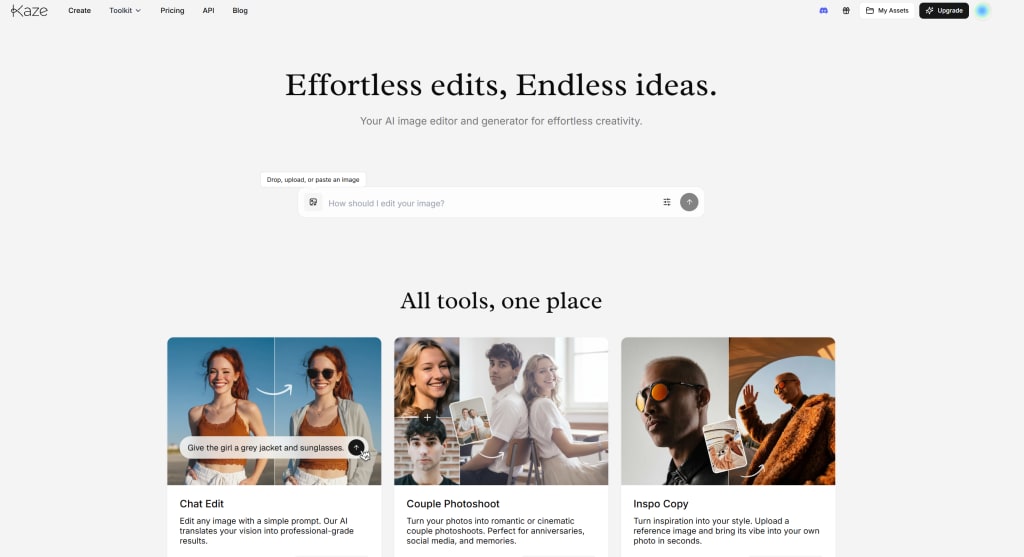
Visual content has always played a central role in digital storytelling. From the earliest photo manipulation tools to today’s intelligent design platforms, image editing has evolved dramatically. Tasks that once required hours of manual effort and professional expertise can now be completed in a fraction of the time, thanks to artificial intelligence (AI).
AI-powered editing tools are transforming how creators, marketers, and casual users approach visual content. By automating complex steps, these tools make it possible to produce high-quality images without extensive technical knowledge. This shift is democratizing design, making professional-level image editing accessible to a wider audience.
From Manual Editing to Intelligent Tools
Traditional image editing software demanded a significant learning curve. Professionals spent years mastering layers, masks, and adjustment curves to achieve desired results. While effective, these methods were often time-consuming and inaccessible to beginners.
AI image editing represents a fundamental change. Users no longer need to follow step-by-step instructions. Instead, they can describe what they want, and AI interprets and executes the task automatically. This enables creators to focus on the creative aspects, leaving technical processing to the software. Tools like Kaze.ai exemplify this approach, bridging the gap between imagination and execution.
Chat-Based Editing: Editing with Words
One of the most notable innovations in AI image editing is natural language interaction. Instead of navigating complex menus, users simply describe the desired edits. Examples include:
- “Remove the background and replace it with a neutral backdrop.”
- “Enhance lighting and sharpen facial details.”
- “Remove unwanted objects from this scene.”
AI interprets these commands in real time, applying precise changes efficiently. This method lowers the barrier to professional-quality editing, allowing anyone—regardless of experience—to achieve polished results.
Background Removal and Replacement
Background editing is a common challenge in digital design. Manually cutting out subjects, adjusting shadows, and refining edges is labor-intensive. AI-powered tools use advanced segmentation to automatically detect subjects and separate them from backgrounds. This is highly beneficial for:
- E-commerce product images
- Social media or professional profile photos
- Marketing and advertising visuals
The result is a faster workflow, cleaner output, and more time for creative experimentation.
Image Enhancement and Restoration
AI image editing tools also excel at improving low-quality or aging images. Common enhancements include:
- Sharpening blurred images
- Restoring faded colors
- Increasing resolution
- Enhancing facial clarity
This functionality allows users to restore old photographs, improve smartphone images, and upgrade visuals for professional presentations. It makes content more visually appealing and ready for sharing across digital platforms.
Creative Transformations
Beyond practical edits, AI opens opportunities for creative experimentation. Users can apply various artistic styles, cartoon effects, or themed transformations. Such features allow creators to explore visual storytelling in ways that were previously time-intensive or required advanced design skills. AI encourages innovation by making experimental edits fast, easy, and accessible.
Who Benefits from AI Image Editing?
The versatility of AI image editing makes it valuable across industries:
- Content creators needing fast, engaging visuals
- Marketers producing campaigns at scale
- Small businesses creating professional branding
- Individuals enhancing personal photos or social profiles
By simplifying technical processes, AI enables creators to focus on concept, design, and storytelling rather than manual adjustments.
Why AI Image Editing Is the Future
AI is not just speeding up editing; it is making it more accessible and intuitive. With increasing demand for high-quality visual content, AI helps creators meet expectations while maintaining efficiency. By automating repetitive or complex steps, AI allows users to concentrate on creativity and strategy.
Platforms like Kaze.ai demonstrate that AI can empower users at all skill levels to produce professional-looking images with minimal effort. The future of visual creation will likely involve collaboration between human creativity and intelligent tools, making advanced editing possible for anyone.
Final Thoughts
AI is revolutionizing image editing by making tasks faster, more intuitive, and accessible to all. What once required technical skill can now be achieved in seconds. This evolution empowers users to create, enhance, and experiment without limitations, fostering creativity and improving visual storytelling.
About the Creator
Abbasi Publisher
Khurram Abbasi is a professional content strategist and writer, founder of Abbasi Publisher, specializing in guest posting, high-authority backlinks, and media placements to elevate brands and digital presence.
Keep reading
More stories from Abbasi Publisher and writers in Journal and other communities.
Going Live on TikTok in 2026: What First-Time Creators Should Know
Live streaming has changed how people connect online. On TikTok, going live is no longer just a feature reserved for entertainers or influencers. By 2026, it has become a practical tool for everyday creators who want real-time interaction instead of one-way content.
By Abbasi Publisher12 days ago in Writers
The goals I did not achieve
Every writing goal I made for the year is a wash. It has been this way for a while, but I think it's important to be open about my failures and the reality of how life can get in the way. This is especially true considering the several times I have posted on Vocal about my writing goals, how I was changing my approach, and where I was hoping to be for the upcoming year. I will probably do that again in a couple months, but for now, it is time to acknowledge where I am today.
By Kay Husnick16 days ago in Journal
Fire Safety During Electrical Emergencies: Why the Right Extinguisher Matters
The electricity is cut off, the fire is extinguished and there is no danger anymore in the room, but the air still smells of acute electric fire. Such smell is usually the sole reason to remember how much an electrical fire is waiting to be turned into a full-scale disaster. Severe destruction is not avoided by accident in most cases but due to preparation and proper handling of an electrical hazard-designed fire extinguisher.
By Deborah Larson5 days ago in Journal
'20/20'
"Do It Again" the track that would ultimately open the Beach Boys final album on Capitol Records which was released on February 10th 1969 had originally been released as a single in August of 1968. The track was the first of many post-Pet Sounds era throwbacks to the early Beach Boys sound which would become continually more cliched and eventually lead the Beach Boys to the level of self-parody they would eventually succumb to in the 1980s while their closest contemporaries The Beatles nearing the end of their run in 1969 would go on to be viewed as the most influential band of all time. However, the song itself is not bad on its surface, and it opens with a futuristic sounding (for 1969) drumbeat captured by then-Beach Boys engineer Stephen Desper using tape delays on the drums performed by Dennis Wilson and John Guerin. The song has been re-recorded numerous times over the years on various Beach Boys-related projects most notably the 2011 re-recording at Capitol studios featuring the five surviving Beach Boys at the time backed instrumentally by various members of both the Brian Wilson Band and Mike Loves touring "Beach Boys" to promote the then upcoming Beach Boys 50th Anniversary reunion tour in 2012. The hammering and power drill sound at the end of the song was an excerpt from a track called "Workshop" that was to be a part of the uncompleted "SMiLE" album.
By Sean Callaghan6 days ago in Beat



Comments
There are no comments for this story
Be the first to respond and start the conversation.