
The Epstein Files: Power, Silence, and the Unfinished Search for Truth
How sealed documents, elite connections, and unanswered questions continue to shape one of the most disturbing scandals of our time

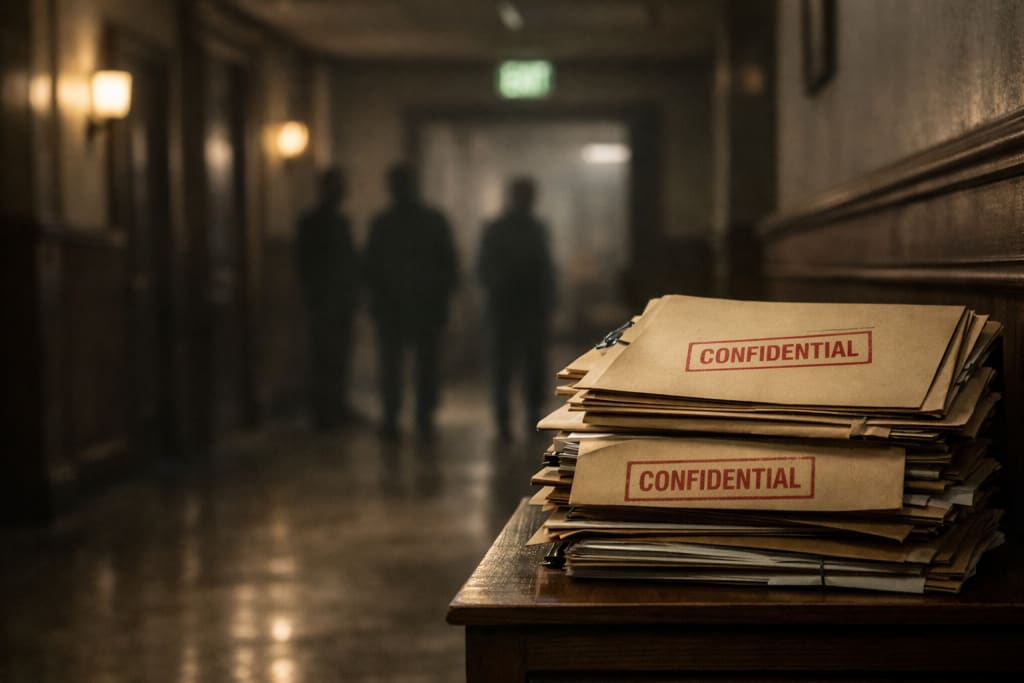
The term “Epstein files” has become shorthand for a vast collection of court records, testimonies, flight logs, settlement documents, and sealed exhibits connected to financier Jeffrey Epstein. These files are not a single document, but rather a fragmented paper trail that spans decades, jurisdictions, and legal systems. Together, they tell a troubling story—not only of criminal abuse, but of how power, wealth, and influence can distort justice.
Jeffrey Epstein was arrested multiple times and investigated for serious crimes involving the exploitation of minors. While his actions are well-documented through court proceedings and survivor testimonies, what has kept public attention alive is the lingering question: who else was involved, enabled the system, or escaped scrutiny? The Epstein files sit at the center of that question.
What Are the Epstein Files?
The Epstein files include materials from civil lawsuits, criminal investigations, plea agreements, and related legal proceedings. Many of these documents were sealed for years, often to protect ongoing investigations, privacy rights, or due process. Some have since been unsealed following court orders and public interest challenges, while others remain restricted.
These files often contain:
Depositions and sworn testimony
Names of associates, employees, and contacts
Flight records and travel logs
Financial transactions and settlement agreements
It is important to note that appearing in a document does not equal guilt. Courts distinguish between allegations, testimony, and proven facts. However, the existence of these records highlights the scale of Epstein’s network and the environment that allowed abuse to continue for so long.
Why Were So Many Documents Sealed?
Sealing documents is not unusual in cases involving sensitive matters, especially where minors, ongoing investigations, or third-party privacy is concerned. In Epstein-related cases, courts cited these reasons frequently. However, critics argue that sealing also had the side effect of protecting powerful individuals from scrutiny.
Survivors and journalists have pushed for transparency, arguing that public accountability is essential when crimes intersect with wealth and influence. The gradual unsealing of some files has shown how secrecy can delay justice and erode public trust.
The Role of Power and Privilege
One of the most unsettling aspects of the Epstein case is how long his activities continued despite warnings, reports, and prior convictions. Epstein had access to politicians, business leaders, academics, and celebrities. This proximity to power created an atmosphere where concerns were minimized or ignored.
The Epstein files reveal patterns familiar in many abuse cases involving elites: legal settlements instead of trials, non-disclosure agreements, and quiet resolutions that kept allegations out of public view. These mechanisms are legal—but their ethical implications remain deeply contested.
Survivors at the Center
Behind every file and document are real people. Survivors have consistently emphasized that the focus should not be on speculation or gossip, but on accountability and prevention. Their testimonies have driven legal action, public awareness, and policy discussions around trafficking, consent, and victim protection.
The courage required to come forward—especially against powerful figures—cannot be overstated. The Epstein files exist largely because survivors refused to remain silent.
Why the Epstein Files Still Matter
Even after Epstein’s death, the files remain relevant. They raise broader questions about:
How justice systems treat wealthy defendants
The effectiveness of plea deals in serious crimes
Transparency versus privacy in high-profile cases
Institutional failures that allow abuse to continue
The case has influenced reforms in how trafficking cases are investigated and how victims are treated in court. It has also sparked global conversations about accountability beyond individual perpetrators.
An Unfinished Chapter
The Epstein files do not offer neat closure. Instead, they expose gaps—missing answers, delayed action, and systemic weaknesses. They remind us that justice is not only about convictions, but about truth, transparency, and learning from failure.
As more documents are reviewed and debated, the central lesson remains clear: when power operates without oversight, abuse finds space to grow. The Epstein files are not just records of one man’s crimes—they are a warning about what happens when silence is bought and accountability is postponed.
About the Creator
Muhammad
Just a heart-open human who believes every stranger has a story worth hearing. Lover of deep talks, coffee dates, and writing what feels real.
Writing about love, life, and the little moments that make us feel less alone.
~ Fired ~
— Ai Intrusion ~ Are you Next ~ Is Ai Evolution after your job? — Few workplaces haven't been affected. Ai is in supermarkets, at doctors' offices, and even monitoring farms. I just can't think of anything this machine is not getting into, can you? For instance: Education ~ Law and Tech jobs will one day have a major influence or be taken over by these inanimate machines, with accuracy and vigor. From mechanics' diagnoses to a wide variety of everyday jobs, including fast food workers, with this input having the ability to cut their unnecessary work hours. I'm certain all of us have been touched by this with our short stories and colorful headings, have you? Even comments are very questionable 'Non-Robot' insertions.
By Jay Kantor8 days ago in Journal
Our Song
Evening has given way to night. Gently, I settle next to you on the comfortable, old love seat and reach for your hand. You snatch it away, again. It cuts me to the quick, but I hide the pain, understanding that the reaction is but part of your demented state. Since the accident, your presence here in our cozy home has been clouded by a haze I can't see. Nevertheless, I feel the frigidity of your expressions and it serves as an excruciating reminder of the immeasurable distance between us.
By Dana Crandell5 days ago in Fiction



Comments
There are no comments for this story
Be the first to respond and start the conversation.