
The End of the “Upgrade Year”: Why Smartphones Are Losing Their Annual Magic
How longer lifecycles, AI updates, and economic realism are quietly reshaping consumer expectations
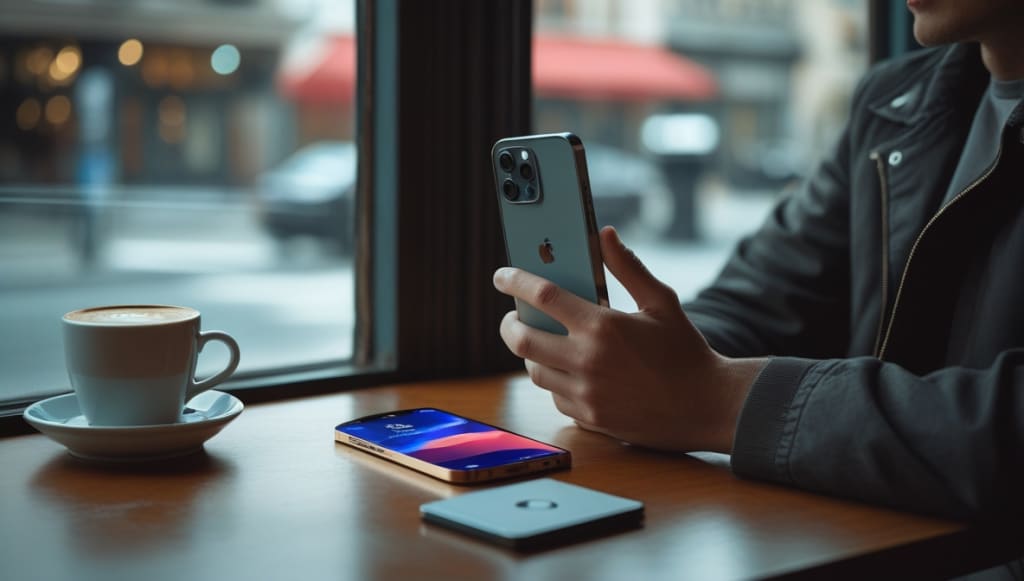
For more than a decade, the smartphone world ran on a simple rhythm: one year, one upgrade.
Every fall brought a new keynote, new promises, and the subtle pressure to trade in a perfectly functional device for something marginally faster, thinner, or shinier. Annual upgrades weren’t just encouraged — they were expected. Owning last year’s phone felt like falling behind.
But somewhere along the way, that magic faded.
In 2025, the idea of the “upgrade year” is quietly dying. Not with outrage or dramatic headlines, but with indifference. Fewer people feel the urgency to replace their phones annually, and for the first time, the industry seems to be adjusting to that reality rather than fighting it.
This isn’t a temporary slowdown. It’s a structural shift in how people relate to technology.
When New Doesn’t Feel New Anymore
The most obvious reason is also the simplest: smartphones have matured.
Today’s flagship phones are incredibly capable. Displays are sharp enough, cameras are good enough, batteries last long enough, and performance improvements are no longer dramatic. A three-year-old premium phone can still handle daily tasks without friction.
When improvements become incremental rather than transformative, excitement naturally cools.
A slightly brighter screen or a marginally faster processor doesn’t spark the same emotional response it once did. Consumers aren’t disappointed — they’re simply satisfied. And satisfaction is the enemy of urgency.
AI Changed the Upgrade Equation
Ironically, the rise of artificial intelligence — once expected to fuel faster upgrade cycles — is doing the opposite.
Modern AI features are increasingly delivered through software updates, not hardware replacements. Smarter assistants, better photo processing, voice summaries, and personalization tools often arrive on devices that are several years old.
This has subtly trained users to expect improvement without replacement.
Why buy a new phone if the one in your pocket keeps getting smarter on its own?
AI has shifted the value equation from what you own to what your device learns. And learning doesn’t require an annual purchase — it requires time.
Economic Realism Has Entered the Chat
There’s also a more grounded factor at play: money.
Inflation, global uncertainty, and rising costs across everyday life have changed consumer priorities. Even tech enthusiasts are asking harder questions before spending four figures on a new phone.
Upgrading annually no longer feels responsible — or necessary.
This doesn’t mean people have stopped valuing technology. It means they’re valuing longevity instead. Phones are now seen as durable tools rather than fashion statements. The mindset has shifted from “What’s new?” to “How long will this last?”
And that’s a fundamental change.
Brands Are Quietly Adapting
Manufacturers are aware of this shift — even if they rarely admit it openly.
Longer software support windows, extended security updates, and sustainability messaging aren’t just ethical gestures. They’re strategic responses to slower upgrade cycles. If consumers aren’t replacing phones every year, brands need to stay relevant across five or six years instead.
Trade-in programs, ecosystem lock-in, and subscription services are filling the gap left by declining annual sales. The business model is evolving from transaction-based to relationship-based.
The phone is no longer the product. The user is.
The Psychological Shift No One Talks About
Perhaps the most interesting change isn’t technical or economic — it’s emotional.
Owning the latest phone used to signal curiosity, status, and modernity. Now, constantly upgrading can feel excessive, even wasteful. Social norms have shifted quietly, but decisively.
People no longer feel judged for keeping an older phone. In some circles, restraint is admired more than novelty.
The emotional reward of upgrading has diminished, replaced by a quieter satisfaction: knowing you don’t need to.
Innovation Has Moved Elsewhere
This doesn’t mean innovation has stopped. It’s simply moved away from the annual phone refresh.
Wearables, ambient computing, AI workflows, and cross-device ecosystems are now where meaningful progress happens. The phone has become the hub — not the headline.
Instead of asking, “Should I upgrade my phone this year?” people are asking, “How well does this fit into my digital life?”
That’s a deeper, more personal question — and one that can’t be answered by specs alone.
What the End of the Upgrade Year Really Means
The death of the upgrade year isn’t a failure of imagination. It’s a sign of maturity — both for the industry and its users.
Technology no longer needs to impress us annually to remain valuable. It just needs to work, adapt, and quietly improve.
In a way, this is a healthier relationship with our devices. Less pressure. Less waste. More intention.
The excitement hasn’t disappeared — it’s just become rarer, reserved for moments that truly matter.
And maybe that’s how innovation should feel: not constant, but meaningful.
A Quieter Future for Smartphones
As 2025 unfolds, smartphones are settling into their most honest role yet — not as symbols of progress, but as dependable companions.
The annual upgrade cycle may be fading, but what replaces it is something more sustainable: trust.
Trust that your device will last.
Trust that improvement doesn’t require replacement.
Trust that missing one launch doesn’t mean falling behind.
The magic hasn’t vanished. It’s simply grown up.
#Technology #Smartphones #AI #DigitalCulture #Innovation
About the Creator
Keep reading
More stories from Shahjahan Kabir Khan and writers in Journal and other communities.
America’s Immigration Turning Point
A Moment That Changes Everything Moments like this are rare, but when they arrive, they reshape lives in lasting ways. The United States has just passed one of the most significant immigration reforms in modern history, and its effects are already echoing through immigrant communities nationwide. Whether you’ve lived in America for decades, arrived recently, or are still waiting for loved ones to join you, this is not a moment to scroll past.
By Shahjahan Kabir Khan24 days ago in Journal
The goals I did not achieve
Every writing goal I made for the year is a wash. It has been this way for a while, but I think it's important to be open about my failures and the reality of how life can get in the way. This is especially true considering the several times I have posted on Vocal about my writing goals, how I was changing my approach, and where I was hoping to be for the upcoming year. I will probably do that again in a couple months, but for now, it is time to acknowledge where I am today.
By Kay Husnick24 days ago in Journal
The Councils of the Church and Why They Were Important
The Catholic Church has faced countless challenges since its founding, from doctrinal disputes to external persecution. One of the most important ways the Church has maintained unity, clarified its teachings, and preserved the faith is through ecumenical and local councils. Church councils are formal gatherings of bishops and Church leaders to deliberate on matters of doctrine, discipline, and practice. These gatherings have shaped Christianity as we know it today, ensuring that the Church remains faithful to the teachings of Christ and the apostles.
By Sound and Spirit5 days ago in Journal


Comments
There are no comments for this story
Be the first to respond and start the conversation.