
The Devastating Impact of Excessive Plastic Use on Our Environment and Wildlife
Understanding the Far-reaching Consequences of Plastic Pollution on Ecosystems and Animal Health

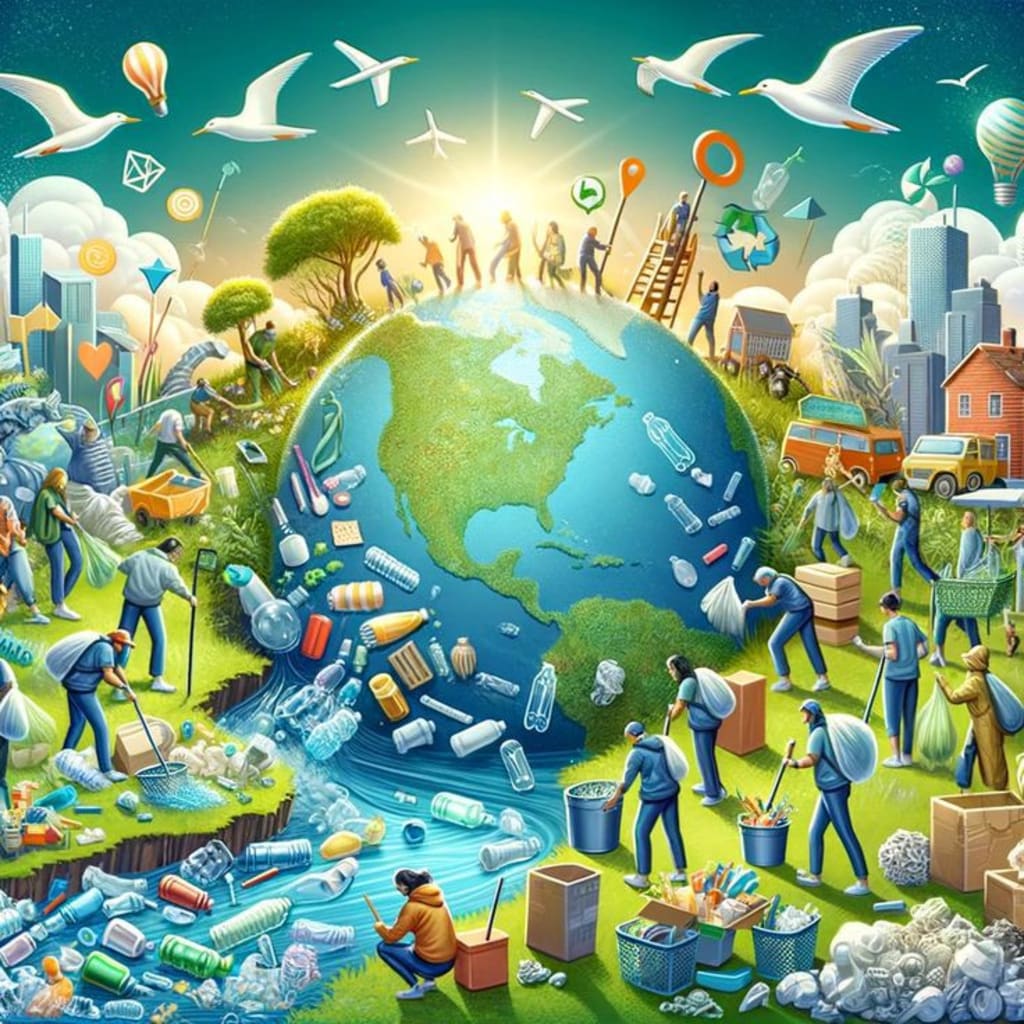
Introduction
The ubiquitous presence of plastic in our daily lives has transformed convenience, packaging, and manufacturing. However, the advantages of plastic come at a significant environmental cost. The excessive use of plastic has dire consequences for the environment and wildlife, leading to pollution, habitat destruction, and severe health issues for animals. This article delves into the multifaceted problems caused by plastic overuse and explores potential solutions to mitigate these impacts.
Historical Context of Plastic Use
Plastic was first synthesized in the early 20th century, with Bakelite being one of the earliest examples. Its affordability, durability, and versatility led to a rapid increase in production, particularly after World War II. By the 1960s, plastic had become a staple in packaging, household goods, and industrial applications. Today, global plastic production exceeds 300 million tons annually, a testament to its widespread use and reliance.
Environmental Impact of Plastic Waste
- Pollution
- Land Pollution: Plastic waste litters landscapes, clogging drainage systems, and creating unsightly environments. It can take hundreds to thousands of years for plastic to degrade, during which it releases harmful chemicals into the soil.
- Water Pollution: Plastic debris accumulates in rivers, lakes, and oceans, forming massive garbage patches. The Great Pacific Garbage Patch, for example, is a testament to the sheer volume of plastic waste in marine environments.
2. Microplastics
- Definition and Sources: Microplastics are tiny plastic particles less than 5mm in diameter, resulting from the breakdown of larger plastic items and industrial processes. They are found in cosmetics, clothing fibers, and industrial scrubbers.
- Environmental Spread: Microplastics contaminate soil, water bodies, and even the air. They have been detected in remote areas, including the Arctic, indicating their pervasive spread.
3.Chemical Pollution
- Toxic Additives: Plastics contain additives like phthalates and bisphenol A (BPA) to enhance flexibility and durability. These chemicals can leach into the environment, posing health risks to wildlife and humans.
- Bioaccumulation: Toxic chemicals from plastics can accumulate in the food chain, affecting top predators and ecosystems' overall health.
Impact on Wildlife
- Entanglement and Ingestion
- Marine Animals: Sea turtles, seabirds, and marine mammals often mistake plastic debris for food or become entangled in it. This can lead to injury, starvation, and death. For instance, studies have shown that over 90% of seabirds have plastic in their stomachs.
- Terrestrial Animals: Land animals, including livestock, can ingest plastic waste, leading to digestive blockages and malnutrition. This is particularly problematic in areas where waste management practices are poor.
2.Habitat Destruction
- Coral Reefs: Plastic waste can smother coral reefs, blocking sunlight and preventing essential photosynthesis. Coral reefs are vital marine habitats, and their destruction can have cascading effects on biodiversity.
- Forests and Grasslands: Littered plastics disrupt the natural environment, making it less habitable for native species. This can lead to declines in local wildlife populations.
3.Toxicity
- Chemical Exposure: Wildlife exposed to plastic waste can suffer from poisoning due to the toxic chemicals in plastics. These chemicals can interfere with reproduction, growth, and immune function.
- Microplastics in Food Chains: As microplastics are ingested by smaller organisms, they move up the food chain, affecting larger animals and ultimately humans. This bioaccumulation of microplastics can lead to health issues across various species.
Human Health Implications
- Food Safety
- Microplastics in Seafood: With the widespread contamination of marine environments, microplastics are now found in seafood. This raises concerns about the potential health effects on humans consuming contaminated fish and shellfish.
- Agricultural Contamination: Plastics used in agriculture, such as mulch films, can break down into microplastics, contaminating soil and crops.
2.Water Contamination
- Drinking Water: Microplastics have been detected in both bottled and tap water, posing a potential risk to human health. The long-term effects of consuming microplastics are still being studied, but concerns include toxicity and chemical exposure.
- Water Treatment Challenges: Traditional water treatment plants are not equipped to filter out microplastics, leading to their continued presence in treated water.
3.Airborne Microplastics
- Indoor Air Quality: Microplastics are present in household dust and can be inhaled, potentially causing respiratory issues. The health impacts of inhaling microplastics are not yet fully understood but are a growing concern.
- Outdoor Air Pollution: Microplastics can be transported by wind, contributing to air pollution and posing risks to respiratory health.
Economic Costs
- Waste Management
- Collection and Disposal: The cost of collecting, sorting, and disposing of plastic waste is substantial. Many municipalities struggle to keep up with the volume of plastic waste generated.
- Recycling Challenges: While recycling is a potential solution, the process is often inefficient and costly. Contamination of recyclables and the low market value of recycled plastics further complicate efforts.
2.Environmental Cleanup
- Ocean Cleanup Efforts: Initiatives to remove plastic from oceans, such as The Ocean Cleanup project, require significant financial investment. These efforts, while noble, highlight the immense scale of the problem.
- Land Remediation: Cleaning up plastic pollution in terrestrial environments, such as landfills and natural habitats, is also costly and labor-intensive.
3.Impact on Tourism and Fisheries
- Tourism: Coastal areas reliant on tourism suffer when beaches are littered with plastic waste. This affects local economies and employment.
- Fisheries: Plastic pollution can damage fishing gear, reduce fish populations, and contaminate catches, impacting the livelihoods of fishing communities.
Solutions and Mitigation Strategies
- Reducing Plastic Use
- Consumer Behavior: Encouraging consumers to reduce their plastic use through education and awareness campaigns. This includes promoting reusable products, reducing single-use plastics, and choosing alternatives like glass or metal.
- Legislation: Implementing policies to ban or limit single-use plastics, such as plastic bags, straws, and packaging. Several countries and cities have already taken steps in this direction.
2.Improving Waste Management
- Recycling Infrastructure: Investing in recycling infrastructure and technology to improve the efficiency and effectiveness of plastic recycling. This includes better sorting facilities, advanced recycling methods, and creating markets for recycled plastics.
- Waste-to-Energy: Exploring waste-to-energy solutions where appropriate, converting plastic waste into energy through processes like pyrolysis and gasification.
3.Innovative Materials
- Biodegradable Plastics: Developing and promoting biodegradable plastics made from natural materials like cornstarch or algae. These alternatives can break down more quickly and safely in the environment.
- Alternative Packaging: Encouraging the use of alternative packaging materials, such as paper, glass, or metal, which have a lower environmental impact.
4.Cleanup Initiatives
- Community Engagement: Organizing community clean-up events to remove plastic waste from local environments. These events raise awareness and foster a sense of responsibility among participants.
- Large-Scale Projects: Supporting large-scale ocean cleanup projects and research into new methods of removing plastic from marine environments.
5.Corporate Responsibility
- Sustainable Practices: Encouraging companies to adopt sustainable practices, such as reducing plastic packaging, using recycled materials, and implementing take-back programs.
- Extended Producer Responsibility (EPR): Implementing EPR policies that hold manufacturers accountable for the entire lifecycle of their products, including disposal and recycling.
Conclusion
The excessive use of plastic poses significant threats to the environment and wildlife, with far-reaching consequences for human health and economies. Addressing this issue requires a multi-faceted approach, including reducing plastic use, improving waste management, and developing innovative materials. By taking collective action at the individual, community, and governmental levels, we can mitigate the impact of plastic pollution and protect our planet for future generations.
About the Creator
JUHAID VOCAL TIME
By creators, for creators.
Keep reading
More stories from JUHAID VOCAL TIME and writers in Journal and other communities.
The Hidden Dangers: Overindulgence in Street and Shop Food
Introduction Eating out is a common practice worldwide, with street food and shop-bought snacks offering quick, convenient, and often delicious options. However, the frequent consumption of these foods can lead to numerous health problems. This article delves into the various issues associated with eating too much food from the streets and shops, highlighting the potential risks to health and well-being.
By JUHAID VOCAL TIME2 years ago in Journal



Comments (1)
Glad to read your article.