
The Dark Side of Reality TV: What You Don’t See After the Final Rose
Behind the glitter and gossip lie stories of control, burnout, and silence.
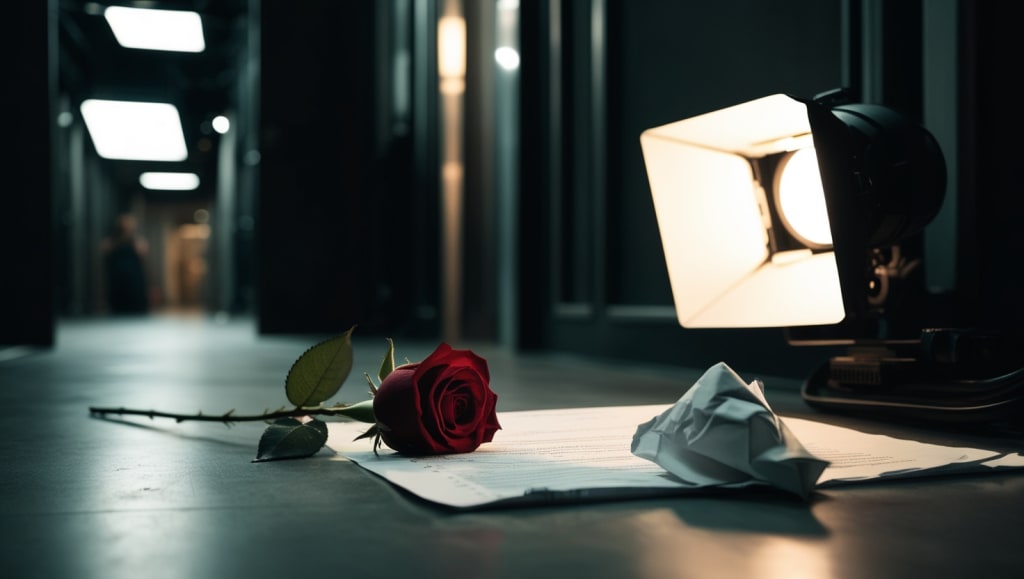
On the night of the finale, confetti bursts into the air, a beautifully lit kiss is shared with millions watching, and the internet buzzes with opinions and funny images. We watch for the excitement, dreamlike conclusions, or shocking breakups, before quickly shifting our focus elsewhere. However, for the participants, the experience continues long after the cameras stop rolling. There remains an unseen narrative influencing their lives, often leading to painful outcomes.
While reality TV claims to be “unscripted” and genuine, ex-participants from shows about dating, survival, and talent reveal a different reality involving mental manipulation, strict contracts, and overwhelming exhaustion . Here’s what truly takes place once that last rose is given.
🎥 1. The Invisible Puppet Strings of Production
Contestants sign multi‑page contracts that grant producers near‑total control:
- Sleep deprivation: Filming can run until 4 a.m., then resume at 7. Exhaustion breeds tears, which make “good TV.”
- Alcohol on tap: Many dating shows supply unlimited drinks even during emotionally charged scenes. Inhibitions drop; drama spikes.
- Franken‑editing: Hours of footage are stitched into a storyline that may reverse timelines or place audio over unrelated visuals—turning a mild comment into a villain’s monologue.
“I watched myself on screen saying things I never said in that context,” one past contestant confessed on a podcast, “and suddenly I was the season’s ‘snake.’” The narrative sticks to them long after ratings fade.
💔 2. Mental Health Costs No Rose Ceremony Can Fix
After exiting the bubble, numerous contestants face challenges such as:
- Anxiety and Depression: The combination of sudden fame, online bullying, and a shift in identity creates a tough situation.
- Isolation: Non-disclosure agreements (NDAs) restrict them from sharing their experiences with others, including therapists, unless those therapists also agree to the NDA.
- Symptoms similar to PTSD: Ongoing surveillance, loss of privacy, and harsh public scrutiny can lead to panic attacks long after the show ends.
A 2023 research report from the Mental Health Foundation in the U.K . revealed that former reality show participants are three times more inclined to seek mental health support within a year after filming. Sadly, several suicides linked to dating shows in Britain and Australia led to parliamentary investigations, but meaningful changes are progressing slowly.
🤐 3. The Gag Order Nobody Reads
Almost every contract includes:
- Perpetuity clauses: Producers own a contestant’s image forever, usable in promos years later.
- $5 million penalties: Breaking confidentiality can bankrupt a whistle‑blower before they speak.
- “Morals” provisions: The network can publicly shame contestants for behavior it deems immoral—even if that behavior was provoked or misrepresented.
Result: Silence. Contestants fearing lawsuits stay quiet while edited storylines become “truth” in tabloids.
📱 4. Social‑Media Whiplash: From 0 to 300K Followers Overnight
Fandom can be unpredictable. Just one episode and a small mistake might cause fans to turn into trolls:
- Doxxing occurs when private addresses are made public for being seen as a "villain."
- Threats include direct messages telling contestants to hurt themselves.
- Sponsorships are at risk, with brands severing ties the moment a controversy emerges.
Interestingly, social media, the very platform contestants rely on to earn money, is also where they feel the most exposed.
🌟 5. The Few Who Win—and the Many Who Disappear
While a few manage to transform their fame into hosting jobs, clothing brands, or careers as influencers, the majority:
- Return to regular jobs, losing their privacy in the process.
- Struggle against being typecast when they audition for acting roles.
- Encounter doubts from traditional employers about their “reality TV drama history.”
In 2024, a winner from a well-known survival competition shared that after taxes, agent costs, and time off work, he made only $8,000—barely enough for long-term stability.
🛡️ 6. Slow Steps Toward Protection
The tide is beginning to shift:
- The U.K . has introduced "Duty of Care" rules (2023) that require psychological evaluations and provide contestants with 14 months of counseling.
- California is considering a "Reality TV Bill of Rights" (2025) that aims to limit work hours, ensure mental health experts are present on set, and control alcohol use.
- Viewer engagement: Hashtags such as ProtectContestants are used to hold networks accountable during live broadcasts.
Progress is slow, but until there’s a change in contracts and industry culture, contestants mainly depend on advocating for themselves and on support from their peers.
🔎 7. What We—The Viewers—Can Do
1.Examine the changes made. If a character change seems sudden, keep in mind that clips are often edited for shock purposes.
2.Stop spreading negativity . Images making fun of participants contribute to the cycle of public shaming.
3.Encourage openness . Support and elevate former contestants who discuss changes needed in the industry.
4.Promote better programming . Watch and share shows that focus on mental health and meaningful narratives instead of sensational drama.
5.Make your choices count . Poor ratings for exploitative shows can lead networks to adapt or disappear.
✨ Final Thoughts: Beyond the Final Rose
Reality TV claims to showcase "real" moments, yet true authenticity struggles to survive in a system designed solely for high ratings. As long as emotional confessionals generate revenue, networks will continue to transform lives into chaotic episodes.
Nevertheless, we, the viewers, possess a quiet influence . By insisting on higher ethical standards and not supporting harmful behavior, we can encourage a transition in the genre from exploitation to honest storytelling—where participants leave with cherished experiences rather than painful memories.
So, the next time you witness a lavish proposal or an intense exit, keep in mind: while the credits may roll and the cameras may stop, the impact on those participants is just beginning.
About the Creator
Keep reading
More stories from Shahjahan Kabir Khan and writers in Journal and other communities.
From Couch to Confident: How I Transformed My Body in 30 Days Without a Gym
A month ago, I was in a scenario many of us can relate to: resting on the sofa, viewing others on social media transforming their lives while I kept saying, "I'll start tomorrow." I was overburdened, not indolent. Though I did not dislike my body, I yearned for the sensations of being strong, energetic, and involved with life.
By Shahjahan Kabir Khan7 months ago in Journal
The goals I did not achieve
Every writing goal I made for the year is a wash. It has been this way for a while, but I think it's important to be open about my failures and the reality of how life can get in the way. This is especially true considering the several times I have posted on Vocal about my writing goals, how I was changing my approach, and where I was hoping to be for the upcoming year. I will probably do that again in a couple months, but for now, it is time to acknowledge where I am today.
By Kay Husnick24 days ago in Journal
The Phoenix from the Ashes:
Toxic relationships, in their myriad forms, are insidious vines that can slowly strangle the life out of individuals, leaving them emotionally depleted, psychologically bruised, and often struggling to understand how they ended up entangled in such a destructive web. Whether romantic, familial, or platonic, these relationships are characterized by patterns of manipulation, control, disrespect, and a consistent lack of empathy. Escaping their grasp can be a grueling process, but it's a journey that ultimately leads to profound self-discovery and lasting personal growth. The lessons learned from overcoming toxic relationships are invaluable, shaping our understanding of ourselves, our boundaries, and what we truly deserve in life.
By Wilson Igbasi3 days ago in Journal




Comments
There are no comments for this story
Be the first to respond and start the conversation.