
The Creative Genius of Jeff Baena: A Deep Dive into His Filmmaking Journey
Exploring the Bold and Unique Style of Director and Writer Jeff Baena, Who Continues to Defy Conventional Storytelling
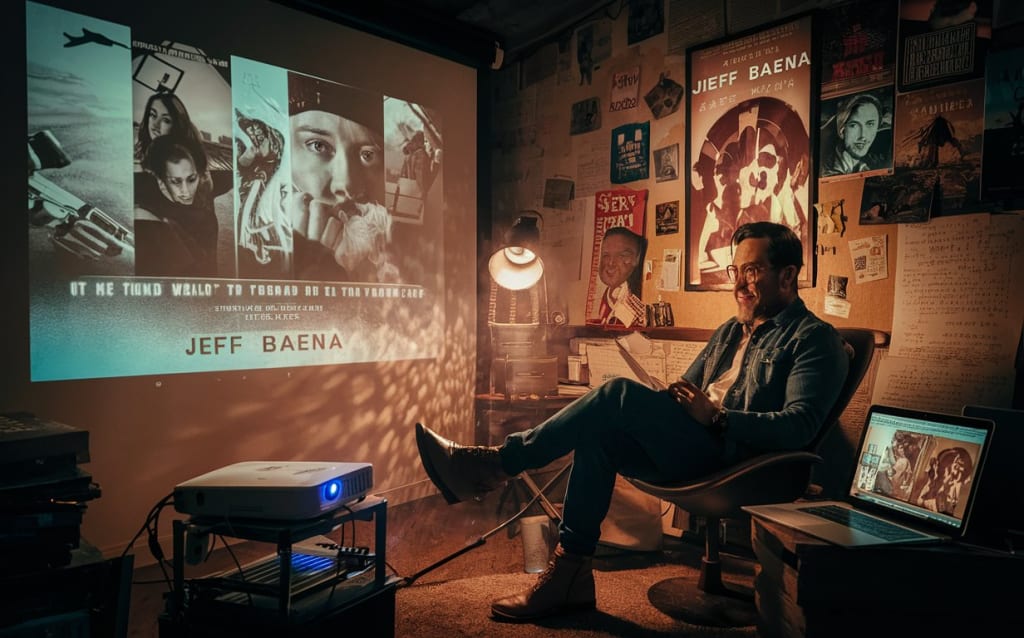
Jeff Baena is a filmmaker whose distinctive voice has earned him a spot among the most innovative and exciting directors in contemporary cinema. Known for his unconventional narrative styles, Baena has garnered critical acclaim for his work that explores human nature, relationships, and existential questions with humor, surrealism, and a sense of the absurd. Whether through dark comedies, quirky dramas, or satirical explorations of societal norms, Baena’s films continually push boundaries and challenge expectations. In this article, we will delve into Baena’s career, examine his most notable works, and explore what sets him apart in the world of cinema.
Early Life and Career Beginnings
Born in Miami, Florida, Jeff Baena’s journey into filmmaking was shaped by his diverse cultural background and love of storytelling. After studying at New York University’s Tisch School of the Arts, Baena made his mark in the film industry by first working as a screenwriter. His early collaboration with director David O. Russell, notably on the screenplay for I Heart Huckabees (2004), allowed him to hone his craft and gain insight into the art of filmmaking. This early experience in the world of independent cinema would be foundational for Baena, as it sparked his desire to create his own films that were unique and personal.
Baena’s screenwriting experience with I Heart Huckabees marked the beginning of his career as a storyteller. While the film itself had a distinct tone, Baena would soon develop his own voice that would further reflect his interests in surrealism, the human condition, and the absurdities of life.
The Rise of Baena’s Directorial Career
Jeff Baena made his directorial debut with the film Life After Beth (2014), a dark comedy that blends elements of romance, horror, and existential dread. The film centers around the character Zach, who grapples with the sudden reappearance of his girlfriend, Beth, who has come back from the dead. What begins as a typical zombie film quickly evolves into a quirky exploration of grief, life after loss, and the absurdity of trying to revive what has been lost. Life After Beth showcased Baena’s knack for blending genres and handling difficult, often taboo, subject matter with humor and depth.
Baena’s debut was met with positive reviews, with many critics praising the film’s ability to balance absurdity and genuine emotion. Life After Beth also marked the first of several collaborations between Baena and actress Aubrey Plaza, who would become a central figure in many of his projects.
The Evolution of Baena’s Signature Style
Following Life After Beth, Baena’s filmmaking style continued to evolve with each new project, expanding on his thematic interests and quirks. His second film, The Little Hours (2017), is a sharp departure from the zombie comedy of his first feature. Set in a medieval convent, the film follows a group of nuns who rebel against their rigid, pious lifestyle after a handsome young man enters their lives. The film is rooted in farce and slapstick comedy, yet it is simultaneously an exploration of the suppression of desires, hypocrisy, and the power of personal choice.
The Little Hours is perhaps Baena’s most outlandish project to date. It features a stellar cast, including Alison Brie, Aubrey Plaza, Kate Micucci, and Dave Franco. The film’s anachronistic humor, combining modern sensibilities with a medieval setting, further defines Baena’s unique voice. Critics praised the film for its ability to balance irreverent humor with a subtle commentary on human desires and the limitations of religious and societal structures.
Baena’s exploration of absurdity continued with his next film, Horse Girl (2020), another collaboration with Aubrey Plaza. This psychological drama explores the unraveling of the mind of Sarah, a woman who begins to question her grip on reality. Baena’s ability to move between genres—horror, drama, and psychological thriller—while maintaining a consistent undercurrent of existential inquiry is on full display in Horse Girl. The film’s exploration of mental illness, isolation, and identity was praised for its boldness and sensitivity.
Collaboration with Aubrey Plaza
One of the most notable aspects of Baena’s career is his ongoing collaboration with actress Aubrey Plaza. Plaza, known for her deadpan humor and ability to deliver emotionally complex performances, has become a muse for Baena. Their partnership has resulted in some of the most memorable and unconventional films of the past decade. Plaza’s performances in Life After Beth, The Little Hours, and Horse Girl demonstrate her versatility, allowing Baena to explore themes of identity, autonomy, and the absurdity of modern existence through characters who are at odds with societal expectations.
What makes Baena and Plaza’s collaboration so unique is the way they both embrace and subvert the typical tropes of romantic comedies and coming-of-age stories. Plaza’s characters are often portrayed as disaffected, eccentric, and emotionally distant, but they are never one-dimensional. Baena’s scripts allow Plaza to explore complex emotional landscapes, offering a portrayal of female characters that is rare in mainstream cinema.
Baena’s Exploration of the Human Condition
One of the central themes in Jeff Baena’s work is the human condition. His films frequently explore the absurdity of life, the complexity of relationships, and the existential questions that arise when people are faced with the realities of life and death. Whether in the form of a comedic zombie romance (Life After Beth) or a farcical medieval convent drama (The Little Hours), Baena’s films invite viewers to reflect on their own experiences with mortality, love, and identity.
Baena’s films also engage with the ways in which societal expectations shape individual behavior. In Horse Girl, for instance, the protagonist’s struggle with mental illness is heightened by the pressures of trying to fit into a world that doesn’t make sense to her. Baena’s ability to combine humor with dark, weighty themes gives his films a layered quality that encourages both laughter and reflection.
The Future of Jeff Baena’s Career
As Baena’s body of work continues to grow, it’s clear that he has established himself as one of the most original and thought-provoking filmmakers of his generation. His films tackle difficult topics with humor, sensitivity, and surrealism, creating a cinematic landscape where absurdity and humanity coexist. While Baena’s work may not always be easy to categorize, it is precisely this unpredictability that has endeared him to audiences and critics alike.
Looking ahead, Baena is sure to continue defying expectations, challenging traditional storytelling methods, and exploring the intricacies of the human experience. His ability to mix humor with heavy themes has set him apart from other filmmakers in the industry. Whether he’s working on a comedy, a drama, or a thriller, Baena’s work will undoubtedly continue to captivate and inspire.
Conclusion
Jeff Baena’s rise as a filmmaker has been a fascinating journey of exploration, creativity, and pushing boundaries. His unique style, blending the absurd with the profound, makes his films stand out in an increasingly crowded film landscape. As he continues to craft stories that provoke thought and laughter, Baena’s influence on modern cinema will only continue to grow, cementing his place as one of the most exciting voices in contemporary filmmaking.
With his continued collaboration with talented actors like Aubrey Plaza and his commitment to tackling complex themes with wit and humor, there’s no doubt that Baena’s best work is yet to come. As an auteur who is unafraid to take risks and explore new territory, he is sure to remain a filmmaker to watch in the years ahead.


Comments