
The Coolest Rising Business of 2025: The Techwear Revolution
The Coolest Rising Business of 2025: The Techwear Revolution
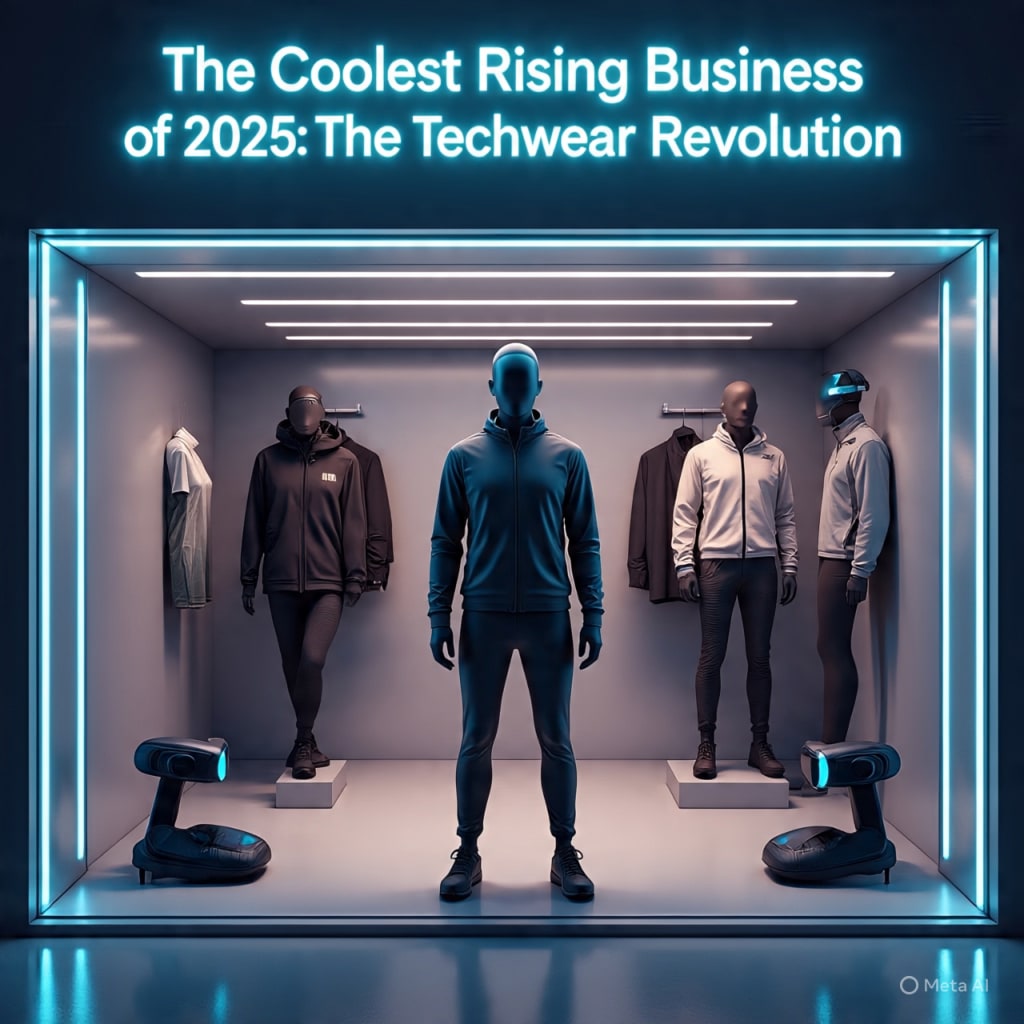
In 2025, one of the most exciting movements in business and fashion is the rapid rise of techwear — a futuristic blend of functionality, design, and technology that’s reshaping how people dress and express themselves. This isn’t just another passing trend; it’s a lifestyle shift, driven by innovation and a desire for clothing that performs as well as it looks. The modern consumer wants more than fabric and fashion — they want garments that adapt, protect, and reflect the spirit of a fast-changing world.
Techwear, short for “technical wear,” emerged from a fusion of outdoor gear, streetwear, and digital culture. It emphasizes versatility and performance — weather-resistant fabrics, hidden pockets, modular layers, and sleek, minimalist designs. What once belonged to mountain climbers and survivalists has evolved into a symbol of urban readiness. In cities where weather changes in minutes and life moves at digital speed, people want clothes that work as hard as they do.
The techwear aesthetic stands out immediately: matte blacks, metallic greys, and geometric cuts that evoke a futuristic, cyberpunk edge. But beneath the style is substance. These garments use innovative materials like waterproof membranes, breathable synthetics, and lightweight composites that allow freedom of movement and protection from the elements. In 2025, this category of clothing perfectly captures the global mood — practical, purposeful, and infused with a sense of modern rebellion.
The growing popularity of this movement reflects deeper cultural and economic shifts. For one, sustainability has become central to fashion. Consumers are more aware of environmental impact and are gravitating toward durable, long-lasting pieces instead of disposable trends. Techwear aligns naturally with that mindset. Its focus on quality, repairability, and function means customers buy less but value more. At the same time, wearable technology has made its way from concept to reality. Smart textiles that regulate temperature or track movement are now accessible, blending seamlessly into clothing that looks stylish enough for everyday wear.
Behind the rise of techwear lies an equally fascinating business story. Entrepreneurs are building new brands around this intersection of design and innovation, taking advantage of digital commerce and global marketing. One such example is Cyber Techwear, a company that represents the new wave of tech-inspired fashion. The brand offers an extensive range of garments — from tactical jackets and cargo pants to minimalist vests and accessories — all inspired by a vision of the future. What makes it stand out isn’t just the products themselves but the lifestyle they convey. The message is clear: style and technology can coexist, and practicality doesn’t have to sacrifice creativity.
Rather than focusing on seasonal trends, this kind of business builds identity through storytelling and community. Customers aren’t just buying clothing; they’re joining a subculture that celebrates individuality and modern innovation. Online, techwear enthusiasts share looks, customizations, and creative photography, turning the style into a living form of self-expression. Social media platforms amplify this even more, helping small digital-first companies reach audiences worldwide. By speaking directly to customers who value futuristic aesthetics and smart design, these brands have carved out a profitable niche with global appeal.
Another key factor behind techwear’s success is the way it bridges multiple worlds. It appeals to urban commuters who value comfort and weather protection, to gamers and digital creators inspired by cyberpunk culture, and to professionals seeking modern minimalism. This blend of practicality and fantasy gives it a universal charm. It’s fashion for the future — wearable, useful, and distinct.
From a business perspective, techwear also offers strong margins compared to conventional clothing lines. Because it relies on advanced materials and performance engineering, consumers are willing to pay a premium. The garments last longer, perform better, and carry a sense of exclusivity. For new entrepreneurs, this creates a sustainable model: fewer pieces, higher value, and loyal customers who identify deeply with the brand.
Still, the journey isn’t without challenges. As techwear gains popularity, imitation products and mass-market copies are flooding the market. Maintaining authenticity, quality, and design innovation is crucial to long-term survival. The technical side of production also presents hurdles — specialized materials, intricate construction, and limited supply chains can drive up costs. But these challenges also act as barriers to entry, protecting genuine innovators from quick imitators.
Looking toward the future, the potential for growth in this sector is immense. The integration of smart fabrics and digital features will push techwear beyond clothing into true wearable technology. Imagine jackets that monitor your health, pants that adapt to temperature, or accessories that integrate with your digital identity. As these technologies mature, they’ll move from experimental prototypes to mainstream apparel, opening vast opportunities for brands that understand both fashion and engineering.
At the same time, sustainability will remain a defining theme. Consumers are increasingly demanding transparency about where and how their clothes are made. Brands that embrace ethical production, recycled fabrics, and circular design will lead the industry. Techwear, with its emphasis on functionality and durability, is perfectly positioned to embody this next phase of responsible fashion.
What truly makes this business one of the coolest rising industries of 2025, though, goes beyond profit or technology. It’s the cultural meaning it carries. Techwear captures the imagination — it’s futuristic yet grounded, utilitarian yet expressive. It speaks to the world’s growing fascination with innovation and individuality. People want clothing that empowers them, that makes them feel prepared for anything, from city storms to digital revolutions. This is fashion that doesn’t just reflect the times but anticipates what’s coming next.
Brands that can balance function, creativity, and authenticity will shape the next era of apparel. The companies leading this charge — those that merge technical craftsmanship with bold design — are redefining what it means to be fashionable in the digital age. As 2025 continues, techwear stands not only as a trend but as a philosophy of modern living: adaptable, intelligent, and endlessly forward-looking.
For now, this new wave of futuristic clothing represents more than just a cool style — it’s a glimpse into how business, technology, and human expression are converging. Whether you wear it for performance, identity, or inspiration, techwear symbolizes the future of fashion. And in a world racing toward innovation, that makes it one of the most exciting and promising businesses of our time.
About the Creator
Author’s Advice
If you would’ve asked me 20 years ago did I know I’d become a writer and an author, I would’ve said “nope, ain’t happening”. As fate would have it I did become an author and I can honestly say I’m loving it so far. It really does feel good to be a writer. I’ve learned a lot on this journey and I feel like with even me being as new to this world as I am, there’s some wisdom I need to share with every other aspiring author.
By Joe Patterson5 days ago in Journal




Comments
There are no comments for this story
Be the first to respond and start the conversation.