
The Connection Between Hair Loss and Hormonal Imbalance
Identifying Hormonal Hair Loss


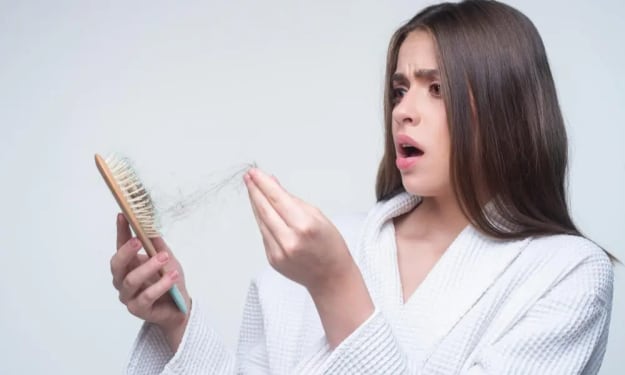
Hair loss is an issue that affects millions of individuals globally. Often, genetic, and environmental factors play significant roles; however, hormonal imbalances are neglected most of the time as causes of hair loss. It is important to grasp how hormones are related to hair health to manage and treat hair loss effectively. In this blog, we will discuss the connection between hair loss and hormonal imbalance, looking at root causes, symptoms, treatments, and preventive measures.
Understanding Hair Growth
The stages of the hair growth cycle are:
1. Anagen Phase: This phase lasts for a few years and it marks when active growth occurs. The follicles remain in constant production of new hairs.
2. Catagen Phase: This takes a brief period of about 2 weeks. In this period, there is no more growth, yet the follicle begins shrinking.
3. Telogen Phase: This is a resting phase that may take several months where new hairs begin to grow while others fall out, leaving open spots for regeneration.
In normal circumstances, hair shedding involves losing 50–100 strands per day, but imbalances result in excessive hair loss, which often results from hormonal abnormalities.
Key Hormones Involved in Hair Growth
Hair growth is influenced by hormones. Major hormones responsible for hair growth include:
• Androgens (testosterone and dihydrotestosterone, or DHT): These are important for both male and female hair development. It should be noted that testosterone gives rise to a derivative called dihydrotestosterone or DHT, which has massive effects on follicles.
• Estrogen: Estrogen helps promote hair growth by maintaining the anagen phase throughout its duration. Variations in estrogen levels during pregnancy or menopause can impact your hair’s condition negatively.
• Thyroid Hormones: Thyroid hormones T3 and T4 control body metabolism since they affect all tissues, including those found in the head and scalp, resulting in hair production changes leading to abnormal thinning or hair loss.
• Insulin: Hair growth may be affected by conditions of insulin resistance, such as those arising from polycystic ovary syndrome (PCOS).
• Cortisol: The body’s response to stress is cortisol, which can break the hair growth cycle upon chronic elevation.
How Hormonal Imbalance Affects Hair
Androgens and DHT
Androgens, particularly DHT, are strongly associated with androgenetic alopecia, such as male-pattern baldness and female-pattern baldness. The effect of this hormone binding to the receptors at the follicles is a contraction and thinning of hairs in those regions. Over time, it leads to the miniaturization of hair follicles, resulting in significant hair loss.
Thyroid Hormones
Thyroid problems like hyperthyroidism (overactive) or hypothyroidism (underactive) have dire implications for a person’s hair health. For example, hyperthyroidism will cause the hair to become fine and brittle, while hypothyroidism results in generalized thinning of the scalp.
Estrogen
The anagen phase is lengthened by estrogen, thus promoting hair growth. During pregnancy, women have elevated levels of estrogen, resulting in thicker, healthier hair, but when these hormones change after birth, they also bring about shedding. In menopause, there is a decrease in estrogen that leads to thinning and falling off hair.
Insulin Resistance and PCOS
Patients suffering from PCOS present with prominent levels of androgens because insulin resistance has led to their overproduction, resulting in large numbers of them being converted into male hormones that start attacking the hair, causing it to fall off the scalp while growing heavily on the face as well as other parts like the chest.
Cortisol and Stress
Chronic stress increases cortisol concentration in the blood and tends to disrupt the hair cycle, thus pushing more follicles into telogen, leading to excessive loss termed telogen effluvium.
Identifying Hormonal Hair Loss
Signs and Symptoms
To identify hormonal hair loss, one needs to look out for specific patterns and symptoms. The common signs are:
• Gradual thinning of the hair on top of the head or at the crown
• Diffuse thinning all over the scalp
• Patchy hair loss in such autoimmune diseases as alopecia areata
• Increased hair shedding following stressful events or hormonal changes.
Differences Between Hormonal Hair Loss and Other Types
Hormonal hair loss has different patterns compared to other types. For example, while androgenetic alopecia has a condition of thinning on the crown or hairline, telogen effluvium shows diffuse shedding. A healthcare provider can determine whether it is hormonal hair loss or not through a consultation.
The Importance of a Medical Diagnosis
A proper medical diagnosis is important if hormonal hair loss will be effectively managed. These include:
• Blood tests: They check hormone levels—thyroid hormones, androgens, and insulin.
• Scalp Examination: Determine both type of hair loss and pattern of balding.
• Reviewing Medical History: Find health problems related to other triggering conditions.
Managing and Treating Hormonal Hair Loss
Medical Treatments
Several medical treatments may help control hormonal hair loss:
• Hormone Replacement Therapy (HRT): This is done to balance estrogen levels, especially during menopause.
• Anti-androgens: Drugs like spironolactone and finasteride that reduce levels of androgens slow down this process while encouraging new growth.
• Thyroid Medications: They can regulate thyroid hormone production in cases where there is hyperthyroidism or hypothyroidism.
• Insulin-Sensitizing Agents: For managing insulin resistance and PCOS.
Lifestyle/Dietary Changes
Taking care of hair and adjusting dietary patterns helps maintain hormone balance.
• Balanced Diet: Inclusion of vitamins such as biotin, vitamin D, zinc, and iron.
• Regular Exercise: Hormones can be regulated, and stress reduced through regular exercise.
• Sleeping: This is important in maintaining hormonal regulation and general health.
Natural Remedies and Holistic Approaches
Medical treatments can be supplemented with natural remedies:
• Essential Oils: This will include rosemary, lavender, or peppermint oils that promote hair growth.
• Herbal Treatments: Saw palmetto or ginseng may restore hormonal balance.
• Acupuncture and Alternative Therapies: They reduce stress and restore hormonal equilibrium.
Preventive Measures
Monitoring Hormone Levels Regularly
Regular monitoring of hormone levels allows for early detection of imbalances that require intervention and management promptly.
Maintaining a Healthy Lifestyle
A healthy lifestyle is good for overall well-being, including hair. Among other things, this entails eating a balanced diet, engaging in physical exercise regularly, keeping the body hydrated throughout the day, and sleeping enough.
Early Intervention/Treatment
If hormonal imbalances are addressed in their initial stages, then the conditions leading to hair loss will not get worse. For example, thyroid disorders or PCOS should be checked up on regularly to facilitate immediate treatment before they escalate into situations where there is no return for human health condition control procedures.
Tips for Promoting Healthy Hair Growth
• Mild Hair Care: Avoid any harsh treatments that put a strain on hair follicles, as they may lead to damage to them, thus causing baldness-like styles that pull out one's hair from its shafts.
• Scalp Health: Routine scalp massages can improve circulation around your head, resulting in thicker hair growth.
• Stress Management: Techniques like yoga, meditation, and mindfulness go a long way in reducing stress and its impact on hair care.
Conclusion
The relationship between hormonal imbalance and hair loss is intricate and complex. Hormones such as androgens, estrogen, thyroid hormones, insulin, and cortisol have a significant role to play in this regard. Therefore, understanding this connection is vital because it enables the effective management of hair loss. The latter can be obtained by reducing stress, living healthy lives, and having specialists who can deal with hormonal imbalances in their bodies.
About the Creator
Keep reading
More stories from Anju Shrama and writers in Journal and other communities.
How to Choose the Right Hair Transplant Surgeon?
The right hair transplant surgeon choice is one of the most significant decisions you can make in your hair restoration journey. Choosing a certified, experienced professional will ensure natural-looking results and minimize risks associated with this procedure.
By Anju Shramaabout a year ago in Journal


Comments
There are no comments for this story
Be the first to respond and start the conversation.