
The Complete Guide to the Parts of a Saddle and Their Functions
parts of a saddle

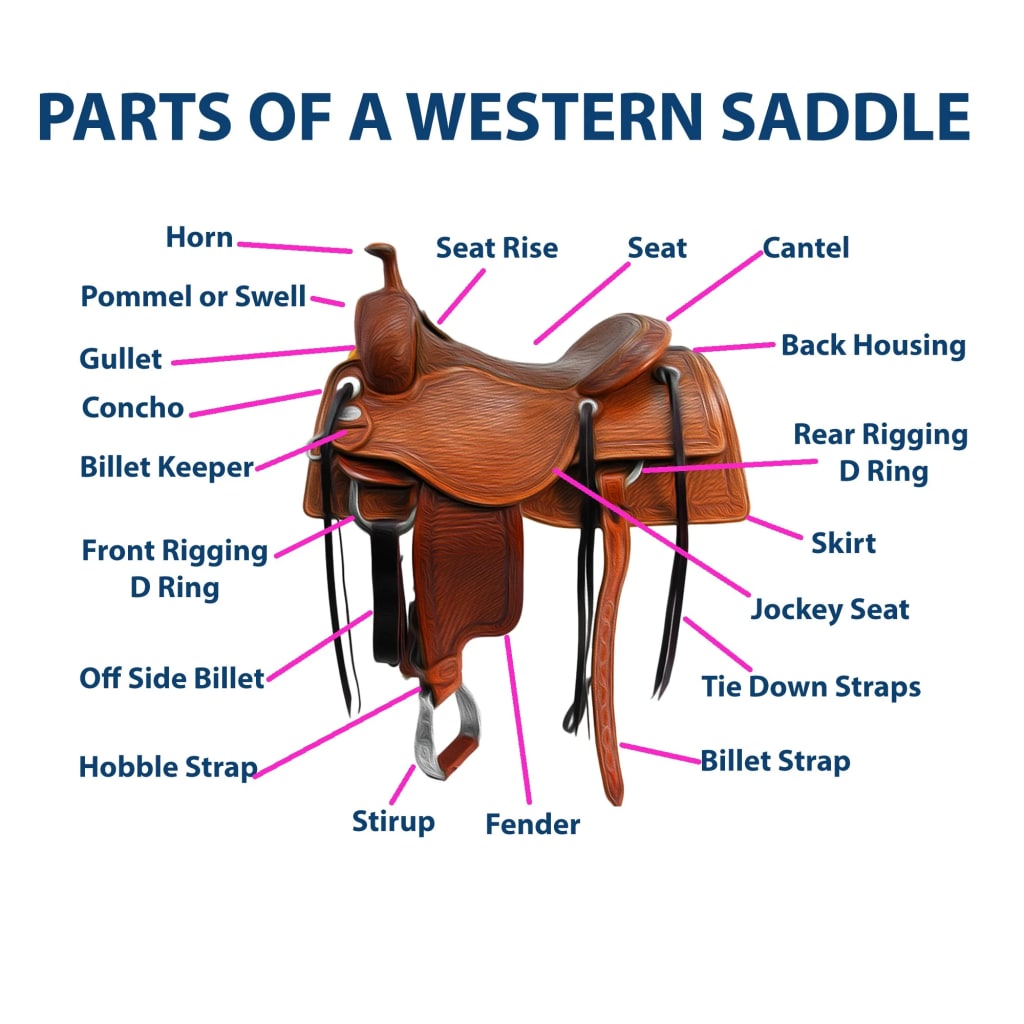
A saddle is one of the most important pieces of equipment for horseback riding. It provides comfort and control for the rider while ensuring the horse's well-being. Understanding the different parts of a saddle is essential for riders of all levels. Whether you are new to horseback riding or an experienced equestrian, this guide will break down the essential parts of a saddle and their functions.
1. The Tree – The Foundation of the Saddle
The tree is the core structure of the saddle, determining its shape, fit, and durability. It is usually made from wood or synthetic materials covered in fiberglass. A well-fitted tree ensures the rider’s weight is distributed evenly, preventing discomfort or injury to the horse. If the tree is too narrow or too wide, it can cause pressure points, making it uncomfortable for the horse to move freely.
2. The Seat – Rider’s Comfort Zone
The seat is where the rider sits. It is designed for comfort and stability, allowing the rider to maintain balance while riding. Different types of saddles offer different seat depths and padding levels, depending on the discipline. For example, dressage saddles have deep seats for maximum rider control, while jumping saddles have flatter seats for better mobility.
3. The Pommel and Cantle – Front and Back Support
The pommel is the raised front part of the saddle, providing support to the rider’s thighs and preventing them from sliding forward. The cantle, on the other hand, is the raised back of the saddle, offering additional support and security. A high cantle provides more back support, which is common in dressage saddles, while a low cantle allows for greater movement, often seen in jumping saddles.
4. The Gullet – Space for the Horse’s Spine
The gullet is the channel underneath the saddle that creates space for the horse’s spine. It prevents pressure on the withers and allows for unrestricted movement. A properly sized gullet is crucial for the horse’s comfort. If the gullet is too narrow, it can cause pain and lead to back problems for the horse.
5. The Panels – Cushioning for the Horse
Panels are the padded sections underneath the saddle that rest on the horse’s back. They help distribute the rider’s weight evenly, preventing sore spots. Panels are usually filled with foam, wool, or air, depending on the type of saddle. Well-maintained panels are essential for the horse’s comfort and performance.
6. The Flaps – Leg Protection and Stability
Flaps are the large pieces of leather on either side of the saddle that protect the rider’s legs and help maintain stability. They vary in shape and length depending on the riding discipline. Jumping saddles have shorter, forward-cut flaps for better movement, while dressage saddles have long, straight flaps for closer leg contact with the horse.
7. The Stirrup Leathers and Stirrups – Rider’s Foot Support
Stirrup leathers are adjustable straps that hold the stirrups in place. They allow riders to adjust their leg position for comfort and balance. Stirrups are metal frames that support the rider’s feet, providing stability while riding. Properly adjusted stirrup leathers and stirrups enhance riding posture and help prevent fatigue.
8. The Girth – Securing the Saddle
The girth is a strap that goes around the horse’s belly, securing the saddle in place. It prevents the saddle from slipping while the horse is moving. Girths come in different materials such as leather, neoprene, or fabric. A properly fitted girth ensures the saddle stays in place without causing discomfort to the horse.
9. The Billets – Connection Between Saddle and Girth
Billets are leather straps attached to the saddle that connect to the girth. They play a crucial role in keeping the saddle secure. Most saddles have three billets, but only two are used at a time. It is essential to check the billets regularly for wear and tear to ensure safety.
10. The D-Rings – Attachment Points for Accessories
D-rings are metal rings attached to the saddle, used for securing accessories such as breastplates, martingales, or saddle bags. They are especially useful for long-distance riding or trail riding, where extra gear may be necessary.
11. The Knee Rolls – Extra Support for Rider’s Legs
Knee rolls are padded sections on the saddle flaps that provide additional support and stability for the rider’s legs. They help riders maintain proper leg position, especially in disciplines such as dressage and jumping. The size and shape of knee rolls vary depending on the saddle type and rider preference.
12. The Fender – A Western Saddle Feature
In Western saddles, the fender is the wide piece of leather connecting the stirrup leathers to the saddle. It protects the rider’s legs from rubbing against the horse and helps distribute pressure evenly. This feature is unique to Western saddles and differs from English saddle flaps.
13. The Horn – A Western Saddle Essential
The horn is a prominent feature of Western saddles, positioned at the front of the saddle. It is primarily used for roping cattle, allowing the rider to wrap a rope around it for stability. The horn also provides extra security for riders during sharp turns or sudden stops.
Conclusion
Understanding the different parts of a saddle is crucial for both rider and horse comfort. Each component plays a specific role in ensuring balance, stability, and security while riding. Whether you ride English or Western, knowing these saddle parts will help you choose the right saddle and maintain it properly. Investing in a well-fitted saddle can significantly enhance your riding experience and your horse’s well-being.
About the Creator
Keep reading
More stories from Ilsa Sophia and writers in Journal and other communities.
Adolescence on Netflix
Adolescence is a crucial stage in life, filled with emotional highs and lows, self-discovery, and personal growth. Netflix has become a hub for content that explores the teenage experience, from high school dramas to coming-of-age films. These shows and movies connect with audiences by portraying realistic struggles, friendships, romance, and identity crises that teenagers face.
By Ilsa Sophia10 months ago in Journal
What Milwaukee Teams Overlook During App Planning Phases?
Most app projects in Milwaukee do not fail because of poor execution. They struggle because early planning feels productive while leaving the hardest questions unanswered. Whiteboards fill up. Features get approved. Timelines look reasonable. Momentum builds. What is missing rarely feels urgent at that stage.
By Samantha Blake6 days ago in Journal



Comments
There are no comments for this story
Be the first to respond and start the conversation.