
The Chola Dynasty: Tracing the Golden Age and Legacy of South India's Longest-Ruling Kings
The Rise and Fall of the Chola Dynasty: A Journey Through South Indian History
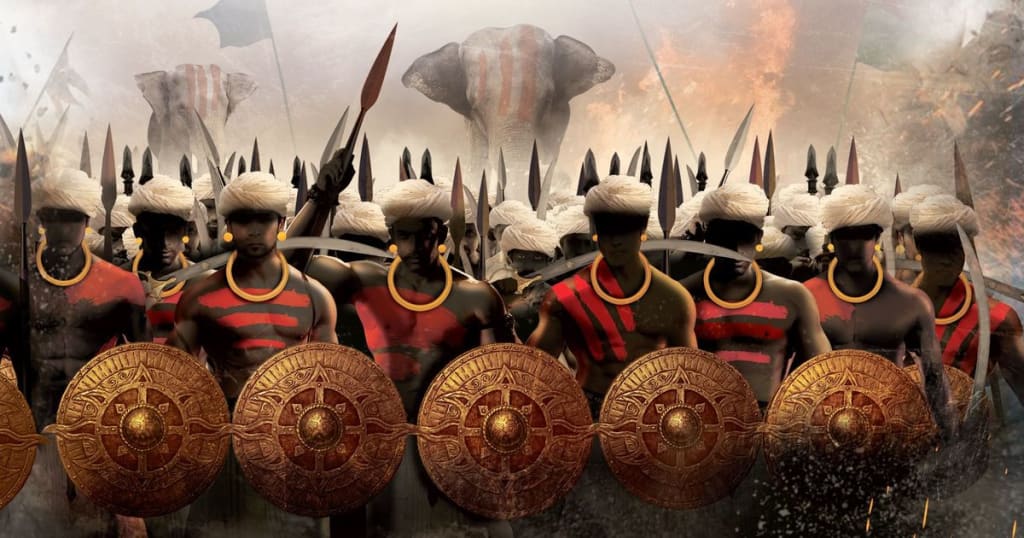
The Chola dynasty was one of the longest-ruling dynasties in the history of South India. They ruled from the 3rd century BCE to the 13th century CE and were known for their military prowess, administrative efficiency, and cultural patronage. The Cholas were known for their naval expeditions and played a significant role in the maritime trade of the Indian Ocean. In this article, we will explore the history of the Chola dynasty in detail.
Origins of the Cholas:
The exact origins of the Cholas are not known, but according to legend, they were descended from the Sun God Surya. The earliest historical reference to the Cholas is in the 3rd century BCE when they were mentioned in the Ashokan inscriptions as one of the kingdoms in southern India. The early Chola rulers were vassals of the Satavahanas and the Pallavas.
The Early Chola Kings:
The early Chola kings were primarily focused on consolidating their power and expanding their territories. The first significant Chola ruler was Karikala Chola who ruled in the 2nd century CE. He is credited with building the Kallanai, an ancient dam on the Kaveri River, which is still in use today. Karikala Chola was succeeded by a series of weak rulers who were unable to maintain the empire's territorial integrity.
The Rise of the Medieval Cholas:
The medieval Chola period is considered to be the golden age of the dynasty. It was during this period that the Cholas emerged as a dominant power in South India and made significant contributions to the fields of art, architecture, and literature. The most notable rulers of this period were Rajaraja Chola and his son Rajendra Chola.
Rajaraja Chola:
Rajaraja Chola ruled from 985 to 1014 CE and is considered one of the greatest kings of the Chola dynasty. He is credited with building the Brihadeeswara Temple in Thanjavur, which is considered one of the finest examples of Dravidian architecture. Rajaraja Chola also expanded the Chola empire through military conquests and made significant contributions to the fields of literature and music.
Rajendra Chola:
Rajendra Chola was the son of Rajaraja Chola and ruled from 1014 to 1044 CE. He was known for his military campaigns and naval expeditions. Rajendra Chola conquered the kingdoms of Sri Lanka, the Maldives, and parts of present-day Thailand and Indonesia. He also built a new capital city, Gangaikonda Cholapuram, to commemorate his victory over the Eastern Chalukyas.
The Later Cholas:
After the death of Rajendra Chola, the Chola dynasty began to decline. The later Chola kings were unable to maintain the empire's territorial integrity, and the dynasty was weakened by internal conflicts and external invasions. The later Cholas made significant contributions to the fields of literature and architecture, but they were unable to regain the glory of the medieval Chola period.
The Chola Administration:
The Cholas were known for their efficient administrative system. The empire was divided into smaller administrative units called Nadu, which were governed by a local administrative officer called the Naduvalan. The Cholas had an extensive revenue system, and taxes were collected in kind and cash. The Chola kings were also known for their patronage of the arts, and the court of the Chola kings was a hub of literary and cultural activities.
The Chola Military:
The Cholas were known for their military prowess, and they had a well-organized army. The Chola army was divided into several units, including the infantry, cavalry, and navy. The Cholas
The history of the Chola dynasty is replete with fantastic stories and accomplishments that continue to fascinate us even today. From their divine origins to their architectural marvels like the Brihadeeswara Temple, the Cholas left an indelible mark on South Indian history. Their military conquests and administrative efficiency were legendary, and their patronage of the arts led to a golden age of Tamil literature and classical Carnatic music. The Cholas' maritime trade and naval expeditions further cemented their legacy as one of the greatest South Indian dynasties. The Chola dynasty remains a shining example of India's rich cultural heritage.
About the Creator
Keep reading
More stories from Manoj Kumar Vijayan and writers in Journal and other communities.
Poland Has More Gold Than the European Central Bank—and Has No Intention of Slowing Down
In an era marked by financial uncertainty, geopolitical tension, and shifting monetary priorities, gold has re-emerged as a strategic asset for nations seeking long-term stability. Among the most striking examples of this renewed focus is Poland. In recent years, the country has quietly but decisively accumulated gold reserves to the point where it now holds more gold than the European Central Bank (ECB) itself—a remarkable milestone for a single EU member state. More importantly, Polish officials have made it clear that this is not the end of the road. Poland’s gold-buying campaign is far from over.
By Salaar Jamali4 days ago in Journal



Comments
There are no comments for this story
Be the first to respond and start the conversation.