
The best way to fight aging in middle age to do more resistance training
Resistance training

By the time you reach middle age, various bodily functions begin to decline. You may notice a drop in your immune system, muscle mass starts to decrease year by year, your body begins to lose shape and gain fat, your energy levels are not what they used to be, your memory starts to fade, and you often feel like you’re no longer as capable as before.

So how can we effectively slow down aging and maintain a youthful state? The answer is to do more resistance training. Why is resistance training considered the “king of anti-aging”?
First of all, resistance training helps build muscle and reverse muscle loss. Muscle is a metabolically active tissue — having well-developed muscles keeps your metabolism high, allowing you to burn more calories even at rest compared to your peers. This helps prevent fat accumulation, significantly reduces the likelihood of middle-aged weight gain, and allows you to maintain a better physique.

Secondly, resistance training strengthens the bones. Muscle growth helps protect the bones and reduces the risk of osteoporosis. Well-developed muscles also enable you to maintain strong physical capacity and youthful energy.
Thirdly, strength training stimulates the secretion of growth hormone, which promotes cell repair and helps keep the skin firm, slowing the appearance of wrinkles. Muscle growth also provides structural support for the skin, helping to prevent sagging and further delaying the aging process.
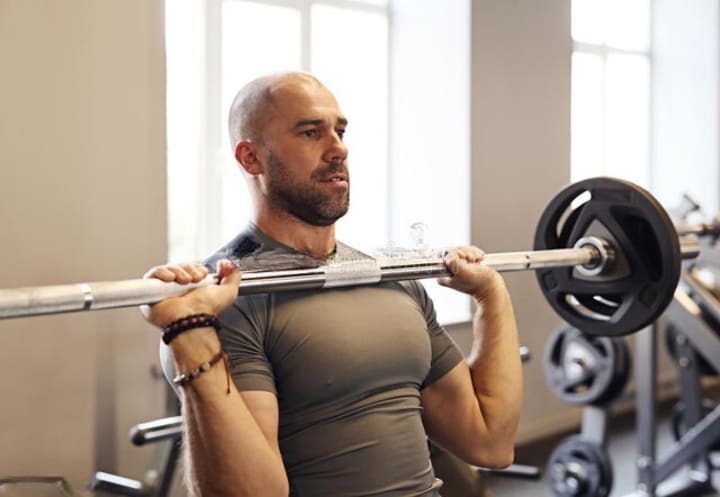
Fourth, strength training improves insulin sensitivity. Well-developed muscles can store more glycogen, helping to stabilize blood sugar levels, prevent fat accumulation, and reduce the risk of diabetes, ultimately enhancing overall health.
Fifth, strength training protects the joints, activates muscle groups, alleviates issues like lower back pain and subhealth conditions, and can correct posture, improving problems like rounded shoulders and a hunched back, resulting in a more upright and confident posture.

Therefore, strength training can be started at any age, and the older you get, the more important it becomes. Studies show that people over 60 who start strength training and stick with it for 2-3 months can increase their muscle mass by 5%-10%, and their body composition will show noticeable improvements.
How should middle-aged people engage in resistance training?
Here’s a recommended bodyweight workout routine that’s suitable for home exercise. It only takes about half an hour per session, and by training every other day, you can achieve significant transformation.

Exercise 1: Bodyweight Squats – Targeting the glutes and leg muscles.
Exercise 2: Knee Push-Ups – Targeting the chest, shoulders, and arm muscles.
Exercise 3: Reverse Crunches – Targeting the core muscles.
Exercise 4: Dumbbell Rows (using water bottles) – Targeting the back muscles.
Perform 4 sets of 8-12 reps for each exercise, with 1 minute of rest between sets.
Exercise 1: Bodyweight Squats – Targeting the glutes and leg muscles.
Exercise 2: Knee Push-Ups – Targeting the chest, shoulders, and arm muscles.
Exercise 3: Reverse Crunches – Targeting the core muscles.
Exercise 4: Dumbbell Rows (using water bottles) – Targeting the back muscles.
Perform 4 sets of 8-12 reps for each exercise, with 1 minute of rest between sets.

Stick with it for 4-6 weeks, and you'll see an increase in muscle strength. If you notice the exercises becoming easier and more familiar, you can increase the training difficulty by trying the following exercises:
Exercise 1: Dumbbell Squats – Strengthening the glutes and leg muscles.
Exercise 2: Dumbbell Bench Press – Shaping the chest and arms.
Exercise 3: Deadlifts – Protecting the core and glute muscles.
Exercise 4: Dumbbell Shoulder Press – Improving rounded shoulders and posture.
About the Creator
maike su
Life is not just about food, clothing, housing, and transportation; there are also poetry and distant places, flowers and poetry.
The goals I did not achieve
Every writing goal I made for the year is a wash. It has been this way for a while, but I think it's important to be open about my failures and the reality of how life can get in the way. This is especially true considering the several times I have posted on Vocal about my writing goals, how I was changing my approach, and where I was hoping to be for the upcoming year. I will probably do that again in a couple months, but for now, it is time to acknowledge where I am today.
By Kay Husnick23 days ago in Journal
Why Florida Car Dealers Must Carry a Surety Bond
If you’re planning to open a used car dealership in Florida, one of the first compliance requirements you’ll encounter is the dealer surety bond. Many people assume this is just another formality in the licensing process, but it plays a much bigger role than most applicants realize.
By American US Insurance4 days ago in Journal




Comments
There are no comments for this story
Be the first to respond and start the conversation.