
The Art and Function of Vinyl Wrap for Cars: Materials, Trends, and Innovation
Smart Style and Protection with Modern Car Wraps

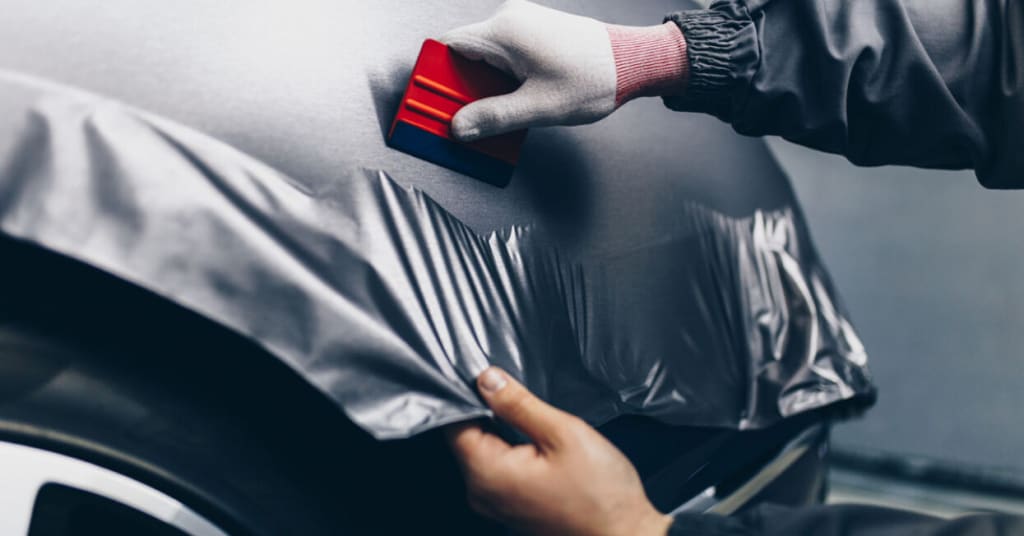
In recent years, the automotive world has experienced a creative revolution—not through engines or fuel technology, but through aesthetics. At the forefront of this shift is the vinyl wrap for cars, a versatile medium that blends art with function. Whether you're looking to customize your vehicle, preserve its paint, or test out a new look without commitment, vinyl wraps offer an accessible, reversible, and cost-effective solution.
In this article, we’ll explore the science, craftsmanship, and evolution of vinyl wraps, examine the rise of PET vinyl wrap in particular, and highlight their uses and implications in both design and sustainability.
What is a Vinyl Wrap?
A vinyl wrap is a type of automotive film that is applied over a vehicle’s paintwork. Typically made from polyvinyl chloride (PVC), this film comes in a variety of finishes—glossy, matte, satin, chrome, and even textured surfaces like carbon fiber or brushed metal. These wraps can cover the entire vehicle or specific sections such as the hood, roof, or side mirrors.
According to the Wikipedia entry on vehicle vinyl wrap, the technique first gained popularity in the 1990s for commercial fleets. Companies began wrapping their vans and trucks with printed advertisements as a more affordable and flexible alternative to traditional paint. Since then, it has become a common practice among private car owners seeking personalization.
The Rise of PET Vinyl Wraps
As the vinyl wrap industry has matured, so too have the materials used. Traditional PVC wraps are durable and flexible, but they’re not without drawbacks. One concern is environmental impact; another is longevity under UV exposure. Enter PET vinyl wrap, a newer material based on polyethylene terephthalate.
Unlike PVC, PET vinyl is halogen-free and more environmentally friendly. It offers excellent UV resistance, is lightweight, and has better recyclability properties. In design terms, PET wraps provide sharper finishes and are less prone to discoloration over time. They’ve become especially popular in regions with high sun exposure or among users looking for a more sustainable solution.
Functional Advantages Beyond Aesthetics
A car wrap does more than enhance visual appeal. One of its primary advantages is paint protection. The original paint of a car is susceptible to sun damage, road salt, minor scratches, and pollutants. Wrapping the vehicle creates a shield that preserves the integrity of the underlying surface.
Another key benefit is flexibility. A vinyl wrap can be removed without damaging the paint, allowing vehicle owners to change styles or restore the car to its original look for resale. For businesses, this also means they can update branding or advertising more frequently without repainting their entire fleet.
Popular Trends in Car Wrapping
As the industry evolves, so too do design trends. Here are a few of the most prominent styles currently shaping the car wrap world:
1. Color Shifting Wraps
These wraps change color depending on the angle of light and viewing direction, creating an iridescent, dynamic effect. They are particularly eye-catching and often used by car enthusiasts for a unique visual statement.
2. Matte and Satin Finishes
Once considered unconventional, matte and satin wraps are now mainstream. They offer a clean, modern look that contrasts starkly with the high-gloss finishes of traditional paint.
3. Textured Wraps
From carbon fiber imitations to brushed aluminum finishes, textured wraps are in demand for high-performance vehicles. They provide a tactile experience along with visual depth.
4. Minimalist Graphic Detailing
Rather than full-body wraps, some owners opt for partial wraps with subtle design elements—racing stripes, geometric patterns, or minimalist logos. This approach is cost-effective and aesthetically bold.
DIY vs Professional Installation
While many products cater to DIY enthusiasts, installing a vinyl wrap for cars is still best left to professionals—particularly when using advanced materials like PET. Improper installation can lead to bubbles, misalignment, or premature wear.
Professional installers use specialized tools like heat guns, squeegees, and cutting tape to ensure a clean finish. They also understand how to stretch and conform the wrap around complex curves and crevices.
Still, for car owners with experience in automotive detailing or wrapping, starting with simpler panels (like the hood or roof) can be a good entry point into the DIY world.
Durability and Maintenance
A common question among car owners is how long a wrap lasts. The answer depends on several factors:
Material Type: PET vinyl wraps tend to outperform standard PVC wraps in UV stability and resistance to cracking.
Installation Quality: A properly installed wrap will adhere better and last longer.
Environmental Conditions: Cars frequently exposed to harsh weather or intense sun will require higher-grade materials.
Maintenance: Regular cleaning and avoiding abrasive car washes can extend the wrap’s lifespan.
Generally, wraps can last anywhere from 3 to 7 years. Maintenance is relatively straightforward—gentle soap, microfiber cloths, and avoiding pressure washers near edges is usually sufficient.
Environmental Considerations
As sustainability becomes a larger concern in every industry, automotive customization is also shifting focus. Traditional vinyl wraps are petroleum-based and not biodegradable. While some recycling options exist, they are limited.
This is where the PET vinyl wrap gains relevance again. PET is a thermoplastic polymer that is more widely recycled than PVC. Its adoption in the car wrap industry points to a greener future, especially when combined with eco-conscious production methods.
Car owners increasingly want customization options that align with environmental values. PET offers a promising alternative, and manufacturers are responding by expanding color ranges and finishes.
Legal and Insurance Implications
Another often-overlooked aspect of wrapping your vehicle is compliance with local laws. Some regions have regulations around altering the color of a vehicle without notifying relevant transportation departments. Since a full wrap can change the car's appearance dramatically, it might need to be reported—especially for traffic enforcement and registration systems.
In terms of insurance, a car wrap can be considered a modification. Some insurers require that you declare any cosmetic changes to maintain full coverage. However, many major providers are familiar with wraps and simply note them on your policy without additional charges.
Vinyl Wrap vs Paint: Which is Better?
This is a common debate among car enthusiasts. While paint offers a permanent, factory-quality finish, it also comes at a higher cost, especially for custom work. Wraps, on the other hand, are significantly more affordable and reversible. If you want to test out bold styles or color changes without committing, a wrap is the ideal solution.
Moreover, wraps can sometimes achieve finishes that are difficult or impossible to replicate with paint—such as chrome or color-shifting styles. For business vehicles, the ability to update branding or promotional messages without repainting is another major benefit.
The Future of Car Wrapping
The trajectory of car wrapping points toward greater personalization, better materials, and increased sustainability. Hybrid materials combining the flexibility of vinyl with the durability of PET or other polymers are being developed.
Online platforms now allow customers to visualize how specific wraps will look on their vehicle models before purchase. And as car culture embraces customization more openly, wraps will likely become a default option—not just an aftermarket consideration.
Companies like Aluko Vinyl are at the forefront of this material innovation, offering a broad range of traditional and PET-based films tailored for modern needs. Their catalog reflects the growing consumer demand for more sustainable, high-performance wrapping options.
Final Thoughts
The world of vinyl wrap for cars is about more than just aesthetics—it's a convergence of design, function, and environmental thinking. Whether you're a car enthusiast looking to express individuality, a business promoting your brand, or a consumer thinking about sustainability, vinyl wraps—especially modern innovations like PET vinyl wrap—offer a creative and practical solution.
With greater awareness around materials, better access to quality products, and increasing industry standards, vinyl wrapping continues to redefine automotive customization for the better.
About the Creator
Keep reading
More stories from charliesamuel and writers in Journal and other communities.
Designer Bags for Women: More Than Fashion, a Cultural Statement
Handbags are more than accessories. Over time, they have evolved into cultural symbols that reflect identity, lifestyle, and social change. From practical carriers to status-defining objects, the role of handbags in fashion history is both complex and revealing. Today, Designer Bags for Women sit at the intersection of craftsmanship, utility, and personal expression rather than serving purely decorative purposes.
By charliesamuel4 days ago in Journal


Comments
There are no comments for this story
Be the first to respond and start the conversation.