
The 10 humanoid robots that already work, cook, and play: the revolution coming to homes and industries
From increasing production speed to learning new tasks in record time, these models are ushering in a new era of human-machine collaboration that, according to Forbes, is already redefining the workplace

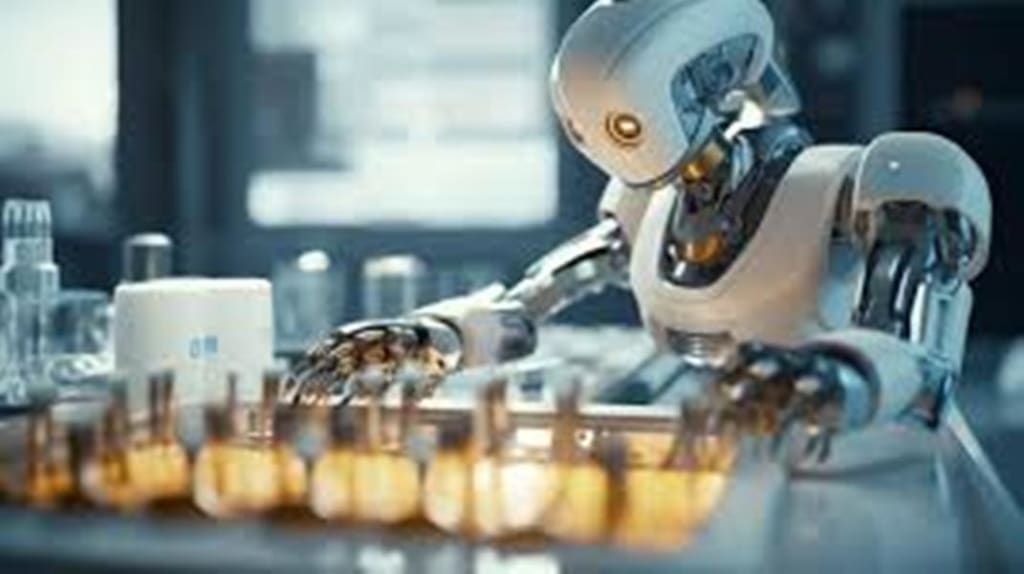
Although for decades they were the exclusive domain of science fiction, humanoid robots are now a tangible reality. They walk, talk, manipulate objects, and in some cases, even cook, play soccer, or fold laundry.
An article published in Forbes brings together ten of the most advanced models currently developed by tech giants like Tesla, Boston Dynamics, and emerging startups like Figure AI and 1X Technologies.
According to a recent report by Morgan Stanley, there will be 13 million humanoid robots coexisting with humans by 2035, and that number could climb to one billion by 2050. However, this revolution has already begun: many of these robots are currently in the testing phase or even working in industrial and domestic settings.
Optimus Generation 2
Manufacturer: Tesla
Cost: Projected to cost between USD 20,000 and USD 30,000
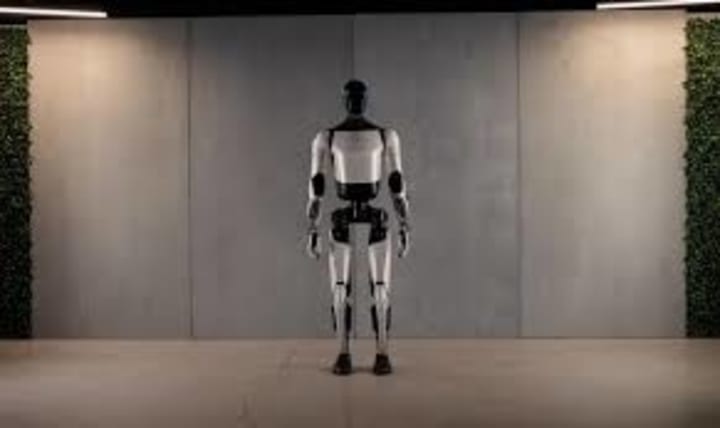
Announced in 2023, the second-generation Optimus has already been tested in Tesla factories. According to Elon Musk, it could be more important than Tesla's cars in the future. According to Bernard Marr, a business technology expert, the model is built around the same automation framework as cars, with interconnected motor, battery, navigation, and artificial intelligence systems.
Although it has been seen collecting eggs, dancing, and playing Rock-Paper-Scissors with Kim Kardashian, there are questions about whether some of these demonstrations are powered by AI or remote control.
Atlas
Manufacturer: Boston Dynamics
Cost: Not commercially available
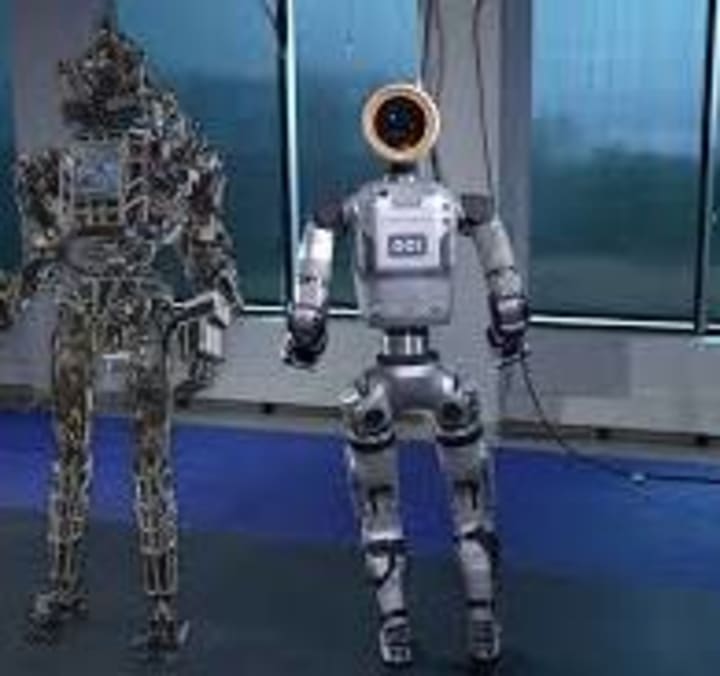
Famous for its viral YouTube videos, the new Atlas is fully electric and lighter than its previous versions. This evolution allows for more precise movements and resistance to damage. Although it is not commercially available, it remains one of the most popular models of humanoid robotics.
Neo Gamma
Manufacturer: 1X Technologies
Cost: Projected to cost between USD 20,000 and USD 30,000

With a nylon-covered structure and tendon actuators, Neo Gamma was designed to coexist with humans. It can fold clothes, vacuum, or load the dishwasher, and hold conversations thanks to a proprietary language model developed by OpenAI. Its design is aimed at home comfort and safety.
GR-2
Manufacturer: Fourier Intelligence
Cost: The current price has not been revealed; previous GR-1 models were reported to cost approximately USD 149,000.

This robot, considered the first mass-produced humanoid, can walk up to 8 km/h (5 mph) and manipulate objects with tactile precision. It is already used in academic and industrial settings, and is being tested for home care tasks. It is an evolution of the GR-1 model, with hands that are twice as agile as its predecessor.
H1
Manufacturer: Unitree
Cost: USD 16,000

This Chinese humanoid achieved the Guinness World Record for the world's fastest humanoid robot in 2024, reaching 11.8 km/h. With LiDAR sensors and open-source technology, it can open bottles, perform cartwheels, fry food, and operate tools. This feature allows various industries with limited resources to incorporate it.
Figure 02
Manufacturer: Figure AI
Cost: Projected to cost around USD 150,000
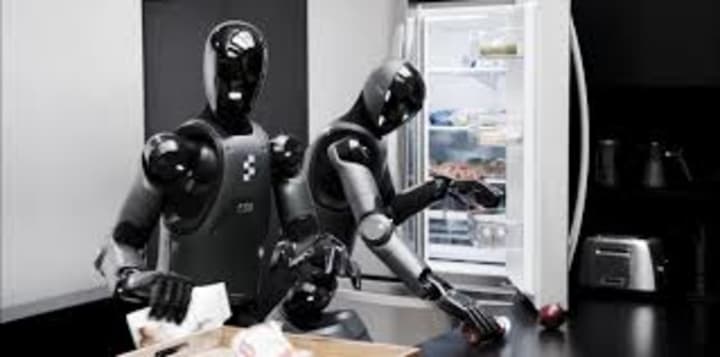
Installed at a BMW plant in the US, this robot increased its working speed by 400% compared to its previous version. Funded by major tech companies such as OpenAI, Amazon, Nvidia, Intel, and Microsoft, it integrates into industrial environments, lifting large objects and performing precision tasks, and is capable of conversing thanks to custom AI.
Digit
Manufacturer: Agility Robotics
Cost: Not publicly disclosed
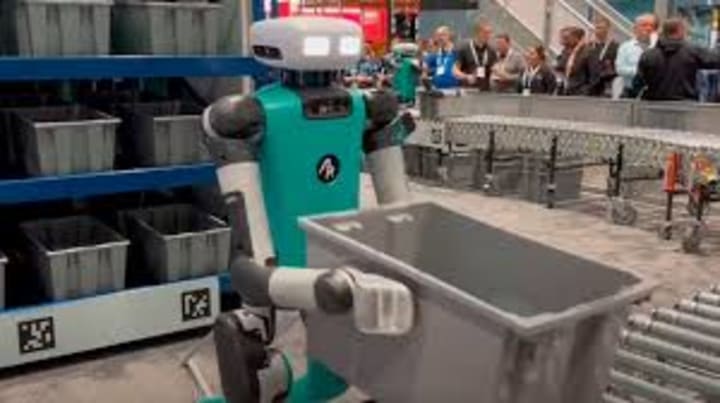
This model specializes in logistics tasks such as sorting and transporting objects in warehouses. Along with Figure 02, it is one of the few humanoids already marketed for industrial applications.
Phoenix
Manufacturer: Sanctuary AI
Cost: Not publicly disclosed
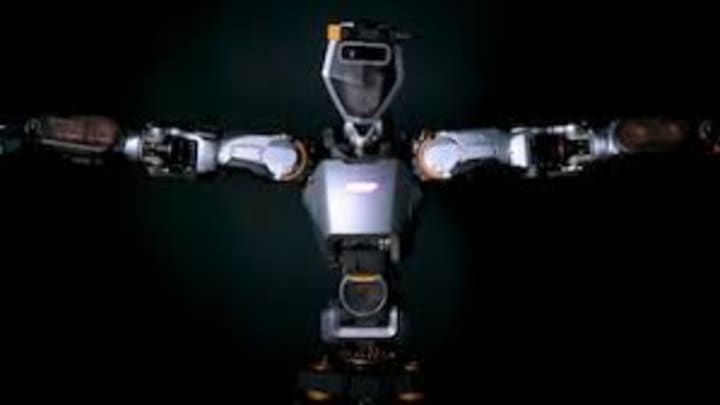
What sets Phoenix apart is its learning ability. While training other robots can take weeks, Phoenix can learn new tasks in just 24 hours. It has already been deployed in Canadian retail stores to restock shelves and pack orders.
Apollo
Manufacturer: Apptronik
Cost: Not publicly disclosed

This robust robot was successfully tested by a leading European automotive manufacturer and NASA. It is designed to operate in demanding industrial environments, such as loading docks, and has the capacity to lift up to 11,340 kilograms. Its development aims to promote the incorporation of humanoids into heavy industry.
Booster T1
Manufacturer: Booster Robotics
Cost: USD 47,685
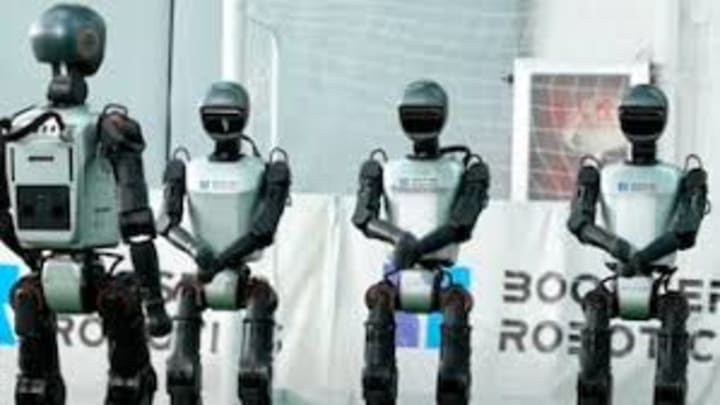
Despite its compact size just 1.2 meters tall this robot participated in the first fully autonomous robot soccer tournament, held in China. In teams of three, the Booster T1s cooperated with each other, dribbling, scoring goals, and recovering after falling to the ground.
As these advances accelerate, the question is no longer whether humanoid robots will become part of everyday life, but rather how prepared people are to live with them. Marr emphasized that “they are no longer just prototypes; they are becoming coworkers, collaborators, and everyday assistants.”
About the Creator
Omar Rastelli
I'm Argentine, from the northern province of Buenos Aires. I love books, computers, travel, and the friendship of the peoples of the world. I reside in "The Land of Enchantment" New Mexico, USA...
Keep reading
More stories from Omar Rastelli and writers in Journal and other communities.
They created a 100% functional human mind, it has AI and answers millions of questions like a human
In the race to develop artificial general intelligence (AGI), companies like OpenAI and Meta are investing billions of dollars in systems capable of replicating human thought.
By Omar Rastelli6 months ago in Journal
A Dart at Dusk
Seconds ago, the sullen sun set on the two of us… my exuberant furry companion and me. A fresh breeze embraces us, delivering welcome relief from the day’s oppressive heat. His typical stumbling and staggering along — apace with a sloth — has turned into trip-trapping, high-stepping, almost skipping along.
By Angie the Archivist 📚🪶5 days ago in Petlife




Comments