
Taxila, The Historical City Of Pakistan.
All you need to know about the rich history of Taxila, one of the most important archeological sites of Pakistan.

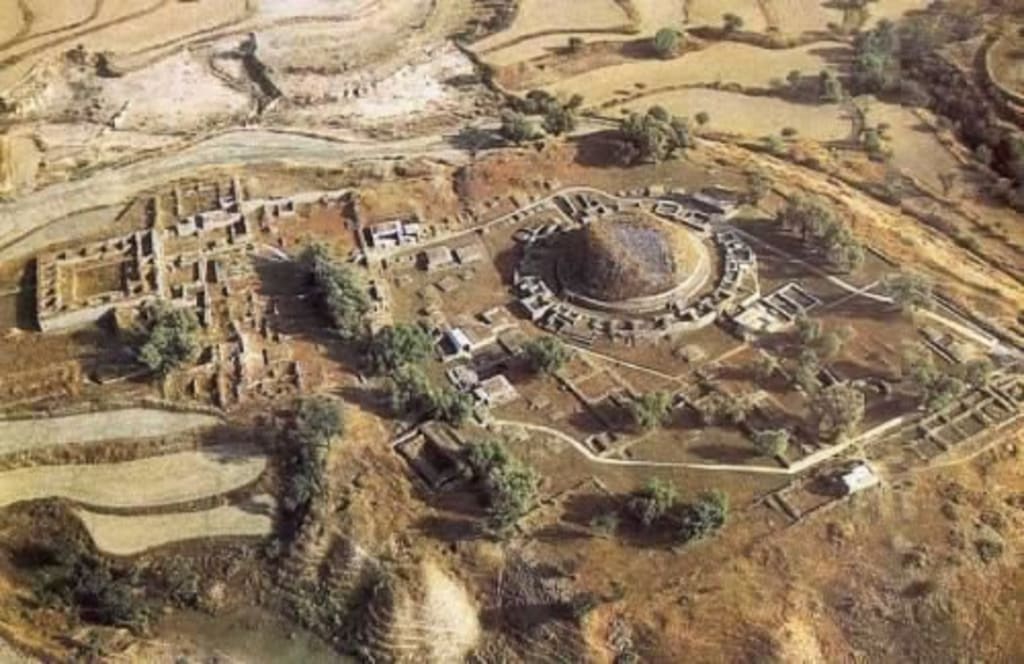
Taxila is a city located in the Rawalpindi district of the Punjab province in Pakistan. The city is known for its rich history, archeological sites, and vibrant culture. Taxila is considered one of the most important archeological sites in Pakistan, as it was an important center of learning, culture, and commerce during ancient times.
Taxila's history dates back to the 6th century BCE when it was a part of the Achaemenid Empire. The city was strategically located on the ancient trade route known as the Silk Road, which connected the East and the West. During the Mauryan Empire in the 3rd century BCE, Taxila became a prominent center of learning, attracting scholars and students from all over the world. The famous Indian ruler Ashoka also had a significant influence on Taxila, as he built several Buddhist stupas and monasteries in the city.
In the 1st century CE, Taxila came under the rule of the Kushan Empire, which was a powerful and prosperous empire that controlled much of Central Asia and northern India. During the Kushan period, Taxila continued to flourish as a center of learning and commerce. The city became a melting pot of cultures, with people from all over the world coming to Taxila to trade, study, and exchange ideas.
Today, Taxila is home to several archeological sites that have been recognized as UNESCO World Heritage Sites. These sites include the Taxila Museum, the Jaulian Buddhist monastery, the Mohra Muradu Stupa, and the Sirkap archeological site. These sites offer a glimpse into the rich history and culture of Taxila, and attract visitors from all over the world.
The Taxila Museum is one of the most popular tourist attractions in the city. The museum houses a vast collection of artifacts and relics from the Gandhara period, including sculptures, pottery, coins, and jewelry. The museum also has a section dedicated to the evolution of Buddhism in the region, with several Buddha statues and relics on display.
The Jaulian Buddhist monastery is another important archeological site in Taxila. The monastery dates back to the 2nd century BCE and was one of the most important centers of Buddhist learning in the region. The monastery was built on a hill, and visitors can climb to the top to enjoy panoramic views of the surrounding area.
The Mohra Muradu Stupa is another famous archeological site in Taxila. The stupa dates back to the 3rd century BCE and is one of the oldest surviving stupas in the world. The stupa was built to enshrine the relics of Buddha, and visitors can still see the remnants of the original stupa today.
The Sirkap archeological site is also worth visiting. The site dates back to the 2nd century BCE and was a thriving commercial center during the Kushan period. The site contains the remains of several buildings, including houses, shops, and public buildings, and gives visitors an idea of what life was like in Taxila during ancient times.
In addition to its rich history and archeological sites, Taxila is also known for its vibrant culture. The city is home to several traditional crafts, including pottery, weaving, and embroidery. Visitors can also enjoy traditional music and dance performances, and sample local cuisine at one of the many restaurants in the city.
In conclusion, Taxila is a city with a rich history and vibrant culture. Its archeological sites offer a glimpse into the ancient world, while its traditional crafts and cultural events showcase the city's modern-day vibrancy. Whether you are interested in history, culture, or simply exploring new places, Taxila is a must-visit destination in Pakistan.
Have a nice day.
About the Creator
Tamseela Arooj
Meet me: writer, procrastinator, fridge enthusiast. Dreaming of a best-seller that's actually worth reading.
Keep reading
More stories from Tamseela Arooj and writers in Journal and other communities.
Islamabad, The Capital City Of Pakistan.
Islamabad is the capital city of Pakistan and is located in the north-central region of the country. It is one of the most significant cities in Pakistan, serving as the political, cultural, and economic hub of the country. Islamabad has a rich history and a unique cultural heritage that has made it an important city not only in Pakistan but also in the entire region.
By Tamseela Arooj3 years ago in Journal
Why Prayer is Central to Catholic Life and How to Deepen It
Prayer is at the heart of Catholic life. It is the way believers communicate with God, express their faith, seek guidance, and grow in holiness. Prayer is not merely a ritual or obligation, but a living relationship with God. Understanding why prayer is central to Catholic life and how to deepen it can help believers experience spiritual growth, peace, and a stronger connection to Christ.
By Sound and Spirit6 days ago in Journal
How to Succeed at the Benson Directory®
Congratulations and welcome to the Benson Directory® employee #22391! As our newest call handler, you will have the privilege of speaking with dozens of unique and interesting people on a daily basis as well as the opportunity to earn bonuses for high performance. Contained within this handbook you will find a set of ease to follow instructions designed to help you settle in to your new role and begin paving the way to success.
By S. A. Crawford2 days ago in Fiction



Comments
There are no comments for this story
Be the first to respond and start the conversation.