
Sustainable practices: The benefits of reusing and recycling IBC containers for businesses
IBC containers for businesses
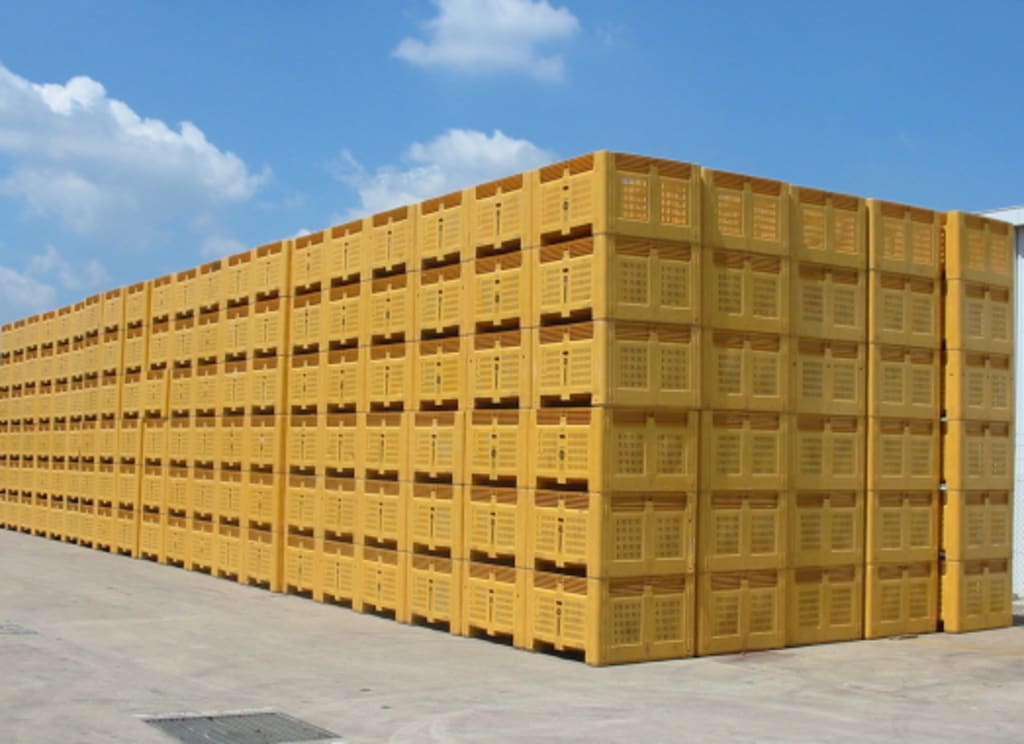
Industrial Bulk Containers (IBCs) are one of the best means for the transportation and storage of liquid, semi-solid and granulated materials. Strong and high-volume container designs help reduce costs associated with handling and storage, while providing safe and convenient solutions to industries.
With an increasing trend of sustainability worldwide, the role of IBCs has evolved toward environmentally-friendly practices. Implementing these containers can help businesses reduce environmental impacts, cut costs and build a brand reputation for sustainability. Reusing and recycling comes with the benefit of better sustainability through efficient business operations. This article will examine what these advantages are in more detail.
Waste minimisation in landfills
Most used containers end up in landfill sites, adding to waste and pollution of the environment. However, IBCs are built to last. While most of these containers are designed to withstand continuous usage over years or even decades, reusing them saves thousands of containers from becoming waste every year.
Saves resources and reduces carbon footprint
Manufacturing requires raw materials such as steel, plastic, and composite materials. With every new IBC container produced, emissions are made and resources are consumed. Utilising reusable and recyclable containers reduces the use of more new raw materials and manufacturing processes, which cuts the carbon footprint directly attributed to production and transportation.
Reducing costs for businesses
Not only is this environmentally-friendly, but it also saves businesses money in the long term. Reordering new containers for every use would be too expensive; however, investing in cleaning, refurbishing, or recycling practices can maximise the initial investment. Some suppliers also offer to buy back second-hand containers, which creates an alternative source for recouping expenses when the container's lifecycle is over.
Stronger brand identity
Considering more sustainable business practices, customers and partners tend to favour brands with environmental responsibility. Showing a commitment to reusing and recycling to reduce waste can enhance a company's reputation and attract green conscious customers by setting themselves apart from the rest.
Sustainable management key practices
Although there are numerous benefits to reusing and recycling containers, their introduction into the market requires specific approaches to safety and effectiveness. Here are some key strategies for optimising sustainable practices in container management.
1. Cleaning and recycling
Used containers are normally cleaned extensively and evaluated to enable their safe reuse with different substances. Consequently, a strict cleaning protocol has to be established to prevent contamination, increase the lifespan of the container, and always keep it in compliance with industry standards.
Many IBC-producing companies have partnered with specialised cleaning facilities using non-polluting methodologies to clean, inspect, and refurbish containers. Certain cleaning facilities have closed-loop systems that ensure minimal waste of water and chemicals so that the process remains sustainable. Continuing a successful cleaning and refurbishment procedure will keep the container viable for further use, decreasing newly purchased containers and the associated costs.
2. Reconditioning
Reconditioning can also be an effective way to extend an IBC’s life. During reconditioning, containers are cleaned, repaired, and checked for specified requirements. These kinds of services are available from most providers, so businesses can return their used containers and avoid disposing of them. With reconditioning, second hand containers get sold and used again, making a circular economy that benefits suppliers and users.
Through reconditioning programs, businesses benefit from reduced demand for new containers, conservation of resources, and the environmentally friendly lifecycle of containers. Also, most reconditioning programs are cheaper than purchasing a new set of containers, which allows businesses to stay operational without adding extra expenses.
3. Recycling non-reusable parts
At some stage, it will be the case that an IBC container can no longer be used. The metallic cages, plastic bottles, and so on could be separated and recycled. Plastic and metal recycling, in particular, is highly valuable in the recycling industries, so giving those materials a new life through reuse cuts down on waste and the energy utilisation of new material productions.
Businesses can use recycling partners specialising in IBCs, thereby taking responsible care of materials. Many recycling programs offer pick-up services, making the disposal process smooth, and damaged containers are diverted from landfills to recycling facilities. Recycling non-reusable components should be an element of a responsible business commitment to sustainability and a circular system.
Sustainable use of IBCs is both a cost-effective and environmentally friendly measure. Reusing, refurbishing, or recycling containers provides business opportunities while conserving valued resources, minimising waste, and reducing carbon footprint.
Whether practising sustainable IBC usage or looking into other green initiatives, businesses can make a powerful difference to the environment without losing their operational efficiency. Organisations looking to store large quantities of liquids and hazardous materials require safe, long-lasting containers to ensure protection and longevity. Companies operating in industries such as warehousing and distribution of a pallet in Australia may find that sustainable practices support not only their company's objectives, but align with the broader industry trends of environmental responsibility.
About the Creator
Keep reading
More stories from Aria Tyler and writers in Journal and other communities.
Cloud computing: Benefits and implementation strategies for businesses
Cloud computing has emerged as a transformative force for businesses of all sizes. By enabling on-demand access to computing resources over the internet, it offers unparalleled flexibility, scalability and efficiency. In this article we consider the key benefits of adopting this technology and how to implement it. We also discuss the specific knowledge this requires and if outsourcing could benefit your organisation.
By Aria Tylerabout a year ago in Journal
The goals I did not achieve
Every writing goal I made for the year is a wash. It has been this way for a while, but I think it's important to be open about my failures and the reality of how life can get in the way. This is especially true considering the several times I have posted on Vocal about my writing goals, how I was changing my approach, and where I was hoping to be for the upcoming year. I will probably do that again in a couple months, but for now, it is time to acknowledge where I am today.
By Kay Husnick24 days ago in Journal
The Phoenix from the Ashes:
Toxic relationships, in their myriad forms, are insidious vines that can slowly strangle the life out of individuals, leaving them emotionally depleted, psychologically bruised, and often struggling to understand how they ended up entangled in such a destructive web. Whether romantic, familial, or platonic, these relationships are characterized by patterns of manipulation, control, disrespect, and a consistent lack of empathy. Escaping their grasp can be a grueling process, but it's a journey that ultimately leads to profound self-discovery and lasting personal growth. The lessons learned from overcoming toxic relationships are invaluable, shaping our understanding of ourselves, our boundaries, and what we truly deserve in life.
By Wilson Igbasi3 days ago in Journal




Comments
There are no comments for this story
Be the first to respond and start the conversation.