
Sustainability & Eco-Luxury
Redefining Luxury with a Greener Touch

I
n the quiet corners of Bali’s jungle, nestled among swaying palms and the sound of distant waterfalls, sits a luxury villa unlike any other. It doesn’t boast gold-plated chandeliers or endless marble floors. Instead, its beauty lies in its simplicity — reclaimed wood, handwoven fabrics, solar panels hidden in the thatched roofs, and rainwater collected in elegant glass tanks. This is not just a high-end retreat. It’s a symbol of a global shift: the rise of eco-luxury.
The New Definition of Luxury
For decades, luxury was associated with excess — the shinier, the better; the rarer, the richer. But as climate change, environmental degradation, and overconsumption have become global concerns, luxury is undergoing a quiet revolution. Today’s elite don’t just want exclusivity — they want purpose. And in this transformation, sustainability has become not a compromise, but a new status symbol.
Eco-luxury isn’t about giving up comfort. It’s about embracing beauty that’s also responsible — using organic materials, fair-trade practices, and innovations that protect the planet without sacrificing elegance.
The Journey of Amara
Take the story of Amara Singh, a young entrepreneur from London who turned her family’s struggling textile business into a thriving eco-fashion brand. After a visit to India’s cotton farms, she was horrified to see the chemicals and exploitative labor involved in producing “premium” fabric. The luxurious clothes sold in high-end boutiques often came at the cost of human dignity and environmental damage.
Determined to create change, she spent months traveling through rural areas, building relationships with local artisans who still used traditional dyeing and weaving techniques. Her brand, Varnam Luxe, launched a line of modern dresses made from organic cotton, dyed with plant-based colors, and packaged in biodegradable wrapping.
To everyone’s surprise — especially the skeptics in the luxury industry — her designs caught the attention of global celebrities. The fashion world wasn’t just ready for eco-luxury; it was craving it.
A Conscious Consumer Awakens
Across the world, from New York to Nairobi, consumers are waking up to the consequences of their choices. They’re asking questions:
Where was this made?
Who made it?
What is it made of?
And what happens when I’m done with it?
These questions are shaping the new luxury landscape. High-end hotels now advertise carbon-neutral stays, offering local organic food and supporting reforestation. Jewelry brands proudly use lab-grown diamonds instead of mined ones. Even luxury car makers are switching to electric and hybrid technology, proving that speed and sustainability can co-exist.
In essence, sustainability has become part of the story behind the product — and in luxury, story matters.
Brands Leading the Way
Global brands have taken notice. Stella McCartney has long been a pioneer of cruelty-free luxury fashion. Brands like Hermès and Gucci are investing in bio-fabricated leather. Tesla, once seen as a tech company, is now a luxury symbol for the eco-conscious.
But it’s not just about big names. Boutique designers and start-ups are pushing boundaries, offering personalized, ethical, and green alternatives that feel even more exclusive than mass luxury.
Eco-luxury is also redefining packaging. Gone are the days of plastic-coated boxes and velvet wraps. Now, luxury comes in plantable seed paper, upcycled silk wraps, or reusable containers — every detail designed with care.
The Emotional Appeal
There’s something deeper happening here. Eco-luxury taps into our desire for connection — not just to the Earth, but to craftsmanship, heritage, and intentional living. When you buy a handcrafted wool coat made by women in the Himalayas, or sip tea grown on a zero-waste farm, it feels different. It feels personal. It tells a story. It carries soul.
In a world of fast everything — fast food, fast fashion, fast tech — eco-luxury invites us to slow down and choose wisely.
A Movement, Not a Trend
Some critics argue that eco-luxury is just another passing trend, a clever marketing ploy. But the numbers — and more importantly, the values — suggest otherwise. Millennials and Gen Z, who are emerging as the biggest spenders in the luxury market, prioritize sustainability more than any generation before.
For them, luxury isn’t just about things — it’s about experiences, ethics, and impact.
Conclusion: The Future is Green and Glamorous
Sustainability and luxury are no longer opposites — they’re partners in shaping a more beautiful, thoughtful, and lasting future. From the jungles of Bali to the runways of Paris, a new kind of glamour is rising — one that doesn’t cost the Earth.
And perhaps, in this fusion of elegance and ethics, we’ve found not just a new luxury — but a better one.
About the Creator
Keep reading
More stories from Faisal zameer and writers in Journal and other communities.
How to Protect Your Privacy in a Surveillance Economy
In today’s hyper-connected world, privacy is no longer the default—it’s something you have to fight for. Every time you search for a product, scroll through social media, or walk past a smart billboard, your actions are being logged, tracked, and analyzed. This is the surveillance economy—a system where your personal data fuels trillion-dollar businesses, often without your full understanding or consent.
By Faisal zameer8 months ago in Journal
A Moveable Feast
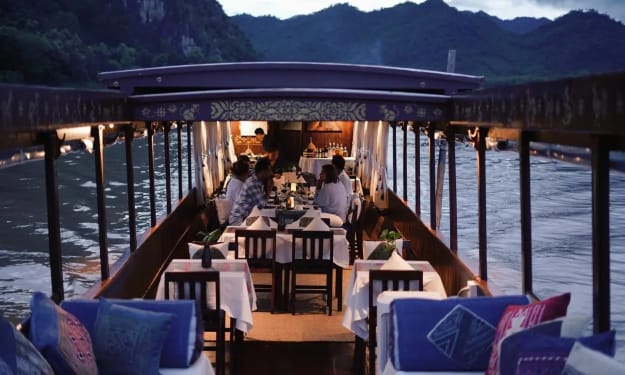
A trip down the Mekong is a sensory overload in the best way possible. Beyond the ancient temples and emerald jungles, a new era of "floating gastronomy" has transformed the river into a premier dining destination. This isn't just about eating on a boat; it is about a curated culinary journey that shifts with every mile of water. To truly savour the experience, you need to look beyond the standard buffet. Here is how to navigate the world of high-end river dining.
By Jeewanthi Armstrong7 days ago in Journal



Comments
There are no comments for this story
Be the first to respond and start the conversation.