
How to Protect Your Privacy in a Surveillance Economy
Reclaiming Control in a World Where Your Data Is the Product
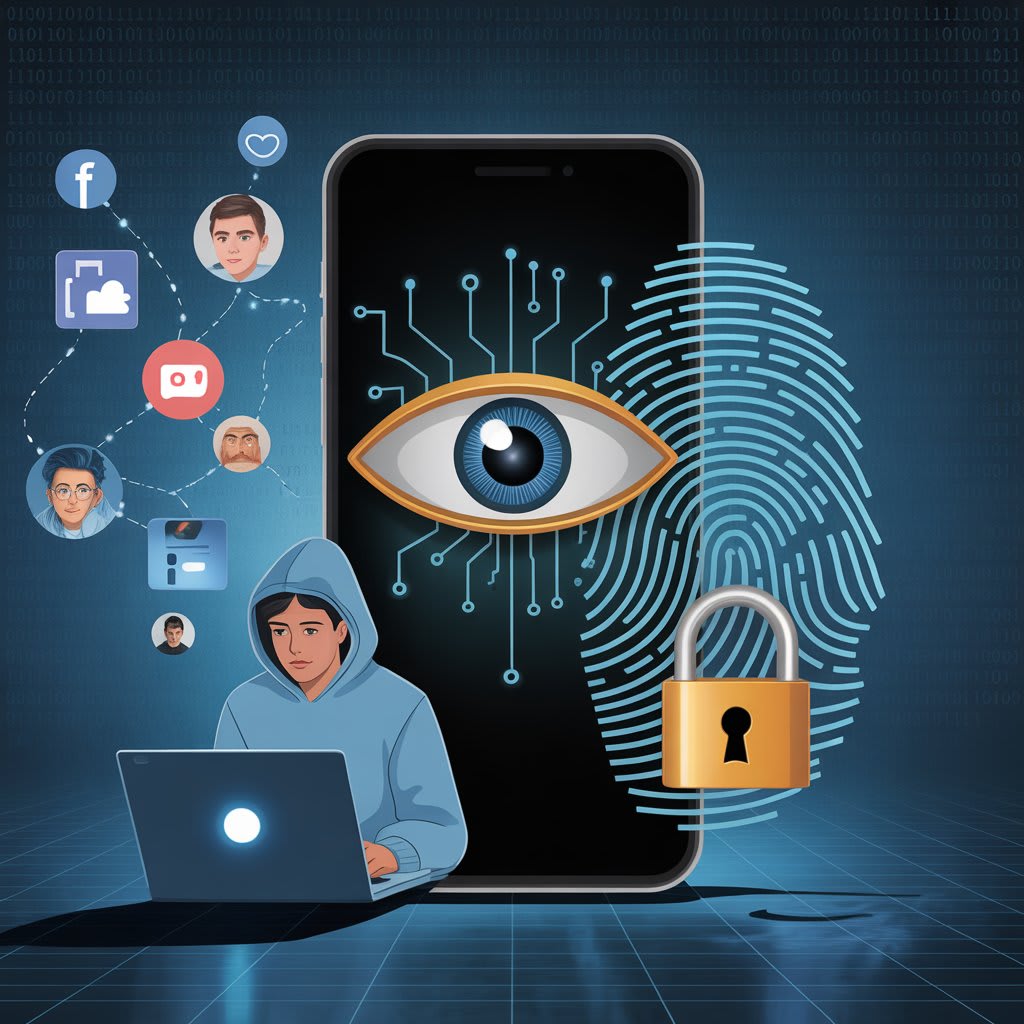
In today’s hyper-connected world, privacy is no longer the default—it’s something you have to fight for. Every time you search for a product, scroll through social media, or walk past a smart billboard, your actions are being logged, tracked, and analyzed. This is the surveillance economy—a system where your personal data fuels trillion-dollar businesses, often without your full understanding or consent.
You might think, “I have nothing to hide,” but the issue isn’t about hiding—it’s about control. When your digital footprint becomes a commodity, your life becomes part of someone else’s profit strategy. Let’s explore how this surveillance economy works, why it matters, and most importantly, how you can start protecting your privacy today.
---
What is the Surveillance Economy?
The surveillance economy is a term used to describe a system where companies collect, analyze, and monetize vast amounts of personal data. From your browsing habits to your location history and even the tone of your voice in smart devices, nearly every digital interaction you make is recorded.
Tech giants like Google, Facebook (Meta), Amazon, and countless advertising platforms operate based on this model. They offer “free” services, but in reality, you are paying with your personal information. This data is used to create detailed behavioral profiles that are sold to advertisers, political campaigns, insurance companies, and others.
Even non-tech companies are now part of this game. Retail stores track your movements via Wi-Fi signals. Cars are fitted with GPS and microphones. Smart homes listen to conversations. It's not science fiction—it's today.
---
Why Should You Care?
Many people are unaware of the full extent of data collection or simply accept it as the cost of modern convenience. But the consequences are real:
Loss of Autonomy: Algorithms predict your behavior and push content, ads, or even emotions to shape your decisions.
Security Risks: The more your data is collected, the more likely it can be leaked, hacked, or misused.
Discrimination: Data profiling can lead to biased treatment—like higher insurance rates or denied loans—based on your digital footprint.
Mental Health Impact: Continuous surveillance often leads to self-censorship, stress, and a sense of always being watched.
The erosion of privacy isn’t just a personal issue—it’s a societal one. It affects democracy, equality, and freedom of expression.
---
How to Protect Your Privacy: Practical Steps
The good news? While we can’t escape all surveillance, we can take back some control. Here’s how to start:
---
1. Use Privacy-Focused Tools
Switch from mainstream platforms to services that respect your privacy.
Search Engines: Use DuckDuckGo or Startpage instead of Google.
Web Browsers: Use Brave or Firefox with privacy settings enabled.
Email Providers: Try ProtonMail or Tutanota.
Messaging Apps: Use end-to-end encrypted apps like Signal instead of WhatsApp or Facebook Messenger.
---
2. Minimize Tracking
Install Tracker Blockers: Use browser extensions like uBlock Origin, Privacy Badger, or Ghostery to block ads and trackers.
Clear Cookies Frequently: Or use your browser in “private” or “incognito” mode.
Disable Third-Party Cookies: Check your browser’s settings and turn off tracking cookies.
---
3. Be Mindful on Social Media
Social media platforms are among the worst offenders in the surveillance economy.
Limit Sharing: Don’t overshare personal information like your birthday, location, or family details.
Review Privacy Settings: Platforms like Facebook allow you to restrict who can see your posts or personal info.
Avoid “Fun Quizzes”: Many data-harvesting apps disguise themselves as personality tests or games.
---
4. Use a VPN (Virtual Private Network)
A VPN hides your IP address and encrypts your internet traffic. This makes it harder for websites, advertisers, or even your internet provider to track your activity.
Choose trusted, no-log VPNs like NordVPN, Mullvad, ProtonVPN, or Surfshark.
---
5. Turn Off Unnecessary Permissions
Apps Don’t Need Everything: Many apps request access to your contacts, camera, microphone, or location unnecessarily. Deny these unless absolutely necessary.
Review Permissions Regularly: Go into your phone settings and disable permissions you’re not comfortable with.
---
6. Say No to Smart Devices You Don’t Need
Smart assistants like Alexa, Google Home, and even Smart TVs are always listening for wake words—and sometimes more. If privacy matters to you, think twice before filling your home with microphones.
---
Final Thoughts
The surveillance economy isn’t going away tomorrow. But you don’t have to surrender to it. With awareness and action, you can live a digitally connected life without being fully exposed.
Remember: You are not the product. You are the owner of your digital self. It's time to start acting like it.
About the Creator
Keep reading
More stories from Faisal zameer and writers in Journal and other communities.
Author’s Advice
If you would’ve asked me 20 years ago did I know I’d become a writer and an author, I would’ve said “nope, ain’t happening”. As fate would have it I did become an author and I can honestly say I’m loving it so far. It really does feel good to be a writer. I’ve learned a lot on this journey and I feel like with even me being as new to this world as I am, there’s some wisdom I need to share with every other aspiring author.
By Joe Patterson4 days ago in Journal
Athletic Footwear Industry Is Racing Toward $269 Bn
The pavement is still cool from the morning air. A runner tightens their laces, taps their smartwatch, and begins the first stride of the day. Each step feels lighter, faster, more responsive — thanks to years of innovation packed into a single pair of shoes.
By Harvey Specter5 days ago in Journal




Comments
There are no comments for this story
Be the first to respond and start the conversation.