
Surprise Outcomes in Finland's European Elections: Li Andersson and the Left Alliance Lead the Charge
Li Andersson, the outgoing chairperson of the Left Alliance, smiled surrounded by her party comrades at the election night even of the left-wing opposition party in Helsinki on 9 June 2024. Her nationwide personal appeal enabled the opposition party to stage perhaps the biggest surprise of the European elections in Finland, a three-seat tally in Brussels.
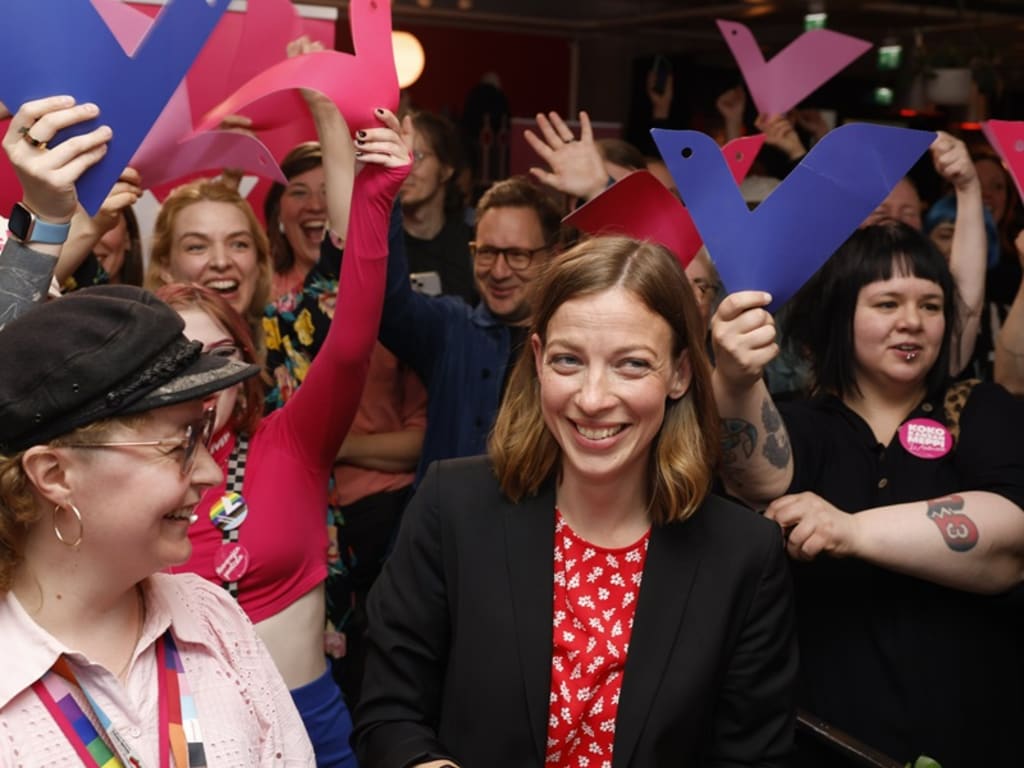
The recent European elections in Finland have delivered unexpected and transformative results, with Li Andersson and the Left Alliance emerging as significant victors. This outcome marks a substantial shift in Finland’s political landscape, challenging the traditional dominance of right-wing parties and reshaping the country's representation in the European Parliament.
The Rise of the Left Alliance
The Left Alliance, under the leadership of Li Andersson, secured a remarkable 17.3% of the vote, a significant increase from their previous performance. Andersson herself received 247,000 votes, the highest number ever recorded for a Finnish candidate in the European elections. This unprecedented support not only boosted the party's presence in the European Parliament but also highlighted a growing dissatisfaction with the status quo among Finnish voters.
The Left Alliance’s success can be attributed to several factors. Firstly, their campaign focused on addressing critical social issues such as workers' rights, social security, and the ecological crisis, resonating with a broad spectrum of voters disillusioned with the far-right's policies. Additionally, Andersson’s charismatic leadership and clear vision for Finland’s future played a pivotal role in mobilizing support.
The Decline of the Far Right
In stark contrast, the Finns Party, a populist right-wing party, experienced a significant decline, garnering only 7.6% of the vote, a drop of 6.2 percentage points from the previous elections. This outcome was a severe blow to the party, which had anticipated retaining its seats if not gaining more. The collapse of support for the Finns Party can be linked to their controversial policies and perceived failures in addressing the needs of ordinary citizens, leading to a shift in voter allegiance towards parties offering more progressive solutions.
Broader Implications for Finnish Politics
The election results have broader implications for Finnish politics and its role in the European Union. The National Coalition Party also saw gains, securing four seats, an increase of one from the previous term. This indicates a more diverse representation of Finland in the European Parliament, with significant input from both left-leaning and conservative perspectives.
The Social Democratic Party managed to hold onto its two seats, but with only a slight increase in vote share, falling short of pre-election expectations. This mixed performance across the political spectrum suggests a fragmented yet dynamic political environment in Finland, reflecting diverse voter priorities and concerns.
Voter Turnout and Engagement
Despite these dramatic shifts, voter turnout was notably low, at 42.4%. This figure was below expectations and suggests that many Finns remain disengaged from the electoral process, possibly due to political fatigue or dissatisfaction with available choices. Increasing voter engagement will be crucial for future elections to ensure a representative and active democratic process.
Conclusion
The European elections in Finland have demonstrated a significant shift in political dynamics, with Li Andersson and the Left Alliance achieving historic success. This outcome not only reshapes Finland's political landscape but also signals a broader trend of voter realignment in response to contemporary social and economic challenges. As Finland navigates its future within the European Union, these election results highlight the evolving priorities and perspectives of its electorate.
FAQ on Finland's European Elections
1. What were the key outcomes of the European elections in Finland?
The recent European elections in Finland saw significant victories for the Left Alliance, led by Li Andersson, who secured a remarkable 17.3% of the vote. The National Coalition Party also increased its representation, while the Finns Party experienced a notable decline, securing only 7.6% of the vote.
2. Who is Li Andersson and what role did she play in the elections?
Li Andersson is the leader of the Left Alliance in Finland. She played a pivotal role in the elections, receiving 247,000 votes, the highest ever for a Finnish candidate in the European elections. Her leadership and focus on social issues resonated with a wide range of voters.
3. What factors contributed to the decline of the Finns Party?
The Finns Party's decline in the European elections can be attributed to their controversial policies and perceived failures in addressing the needs of ordinary citizens. Their vote share dropped by 6.2 percentage points to 7.6%, reflecting a shift in voter preference towards more progressive solutions offered by other parties.
4. How did the National Coalition Party perform in the elections?
The National Coalition Party saw gains in the European elections, securing four seats in the European Parliament, an increase of one seat from the previous term. This indicates a more diverse representation of Finland in the European Parliament with significant input from conservative perspectives.
5. What was the voter turnout for the European elections in Finland?
Voter turnout for the European elections in Finland was notably low at 42.4%, below expectations. This suggests that many Finns remain disengaged from the electoral process, highlighting the need for increased voter engagement in future elections.
6. What are the broader implications of these election results for Finnish politics?
The election results suggest a fragmented yet dynamic political environment in Finland, reflecting diverse voter priorities and concerns. The success of the Left Alliance and the decline of the Finns Party indicate a shift towards more progressive and inclusive policies.
7. Where can I find more detailed coverage of the European elections in Finland?
For more detailed coverage, visit Finland News Today and explore the comprehensive articles available on their website.
About the Creator
Keep reading
More stories from Antra Movies and writers in Journal and other communities.
Nasima Razmyar Advocates for Conscience Voting Among Social Democrats on Border Security Bill
Nasima Razmyar, deputy chairperson of Finland's Social Democratic Party, has recently called for a more open approach within her party regarding the controversial border security bill. This bill, which has sparked significant debate, aims to grant the government the power to temporarily block asylum applications at Finland's borders. Razmyar emphasizes that party members should have the freedom to vote according to their conscience rather than following a strict party line, especially on issues as critical as this.
By Antra Movies2 years ago in Journal
Poland Has More Gold Than the European Central Bank—and Has No Intention of Slowing Down
In an era marked by financial uncertainty, geopolitical tension, and shifting monetary priorities, gold has re-emerged as a strategic asset for nations seeking long-term stability. Among the most striking examples of this renewed focus is Poland. In recent years, the country has quietly but decisively accumulated gold reserves to the point where it now holds more gold than the European Central Bank (ECB) itself—a remarkable milestone for a single EU member state. More importantly, Polish officials have made it clear that this is not the end of the road. Poland’s gold-buying campaign is far from over.
By Salaar Jamali6 days ago in Journal



Comments
There are no comments for this story
Be the first to respond and start the conversation.