
Sumba: The Untamed Beauty of Eastern Indonesia
Sumba, East Nusa Tenggara, Indonesia
Forget Bali's bustling beaches and Lombok's rising popularity for a moment. If you're yearning for an adventure that whispers tales of ancient traditions, showcases untouched natural beauty, and promises a profound connection with culture, then Sumba, an island in East Nusa Tenggara, Indonesia, should be your next destination. Far from the well-trodden tourist paths, Sumba offers a raw, authentic experience that will capture your heart and kindle your adventurous spirit.
Why Sumba is Different
Sumba isn't your typical tropical getaway. It's an island where megalithic traditions still thrive, where horseback riding takes on a mystical quality, and where the rhythmic waves crash against vast, empty beaches. This is a place where time seems to slow down, allowing you to truly immerse yourself in its unique charm.
Unlike its more developed neighbors, Sumba's tourism infrastructure is still emerging, which is precisely its appeal. You won't find sprawling resorts or endless tourist traps here. Instead, you'll discover charming eco-lodges, boutique hotels, and guesthouses that prioritize sustainability and local engagement. This slower pace and authentic approach make Sumba perfect for the conscious traveler seeking something truly special.
Unveiling Sumba's Wonders
The island is broadly divided into West Sumba and East Sumba, each offering distinct experiences:
West Sumba: Land of Ancient Rituals and Mystical Horsemen
West Sumba is where the island's vibrant culture truly comes alive. Here, you can witness the majestic Pasola festival, a ritualistic jousting war between two groups of Sumbanese horsemen, held annually around February or March. It's a breathtaking display of bravery, skill, and spiritual significance. Even outside of Pasola, the sight of local men riding their small, sturdy Sumba ponies across the plains is a common and evocative one.
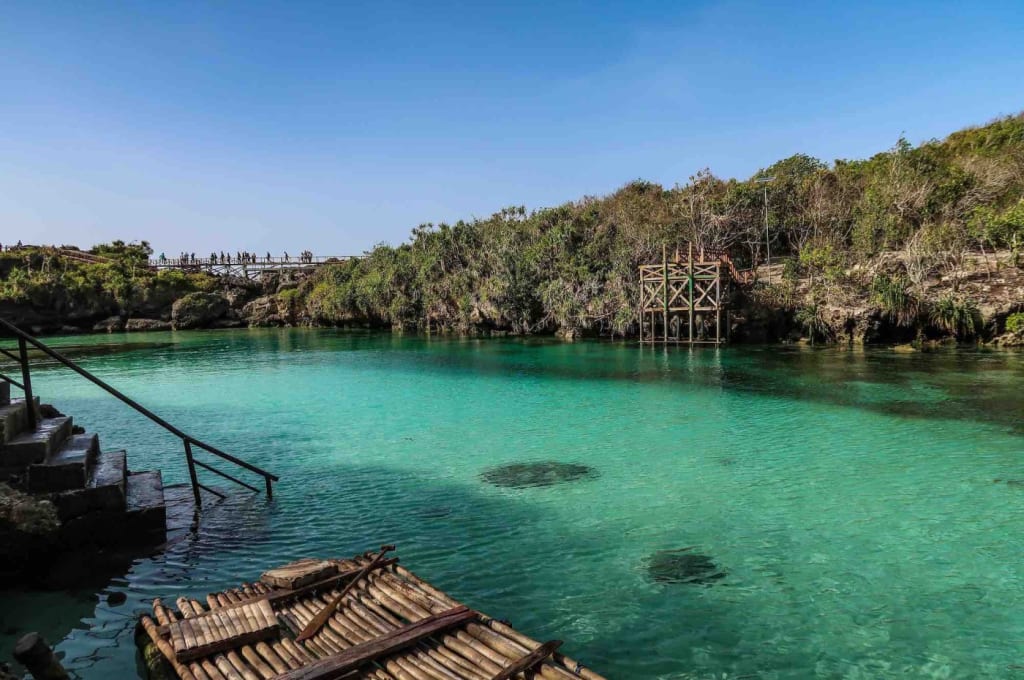
Explore traditional megalithic villages like Ratenggaro, where towering peaked-roof houses (Uma Kalada) stand guard over ancient stone tombs. These villages offer a fascinating glimpse into a way of life that has remained largely unchanged for centuries. The hospitality of the local people, always ready with a smile, will make you feel welcome in their ancestral homes. Don't miss the stunning Weekuri Lagoon, a natural saltwater pool with crystal-clear turquoise waters perfect for a refreshing dip.
East Sumba: Breathtaking Landscapes and Artistic Traditions
East Sumba, with its vast savannas and rolling hills, offers a different kind of beauty. It's home to some of Sumba's most iconic natural attractions. The majestic Tanggedu Waterfall cascades into a clear pool, inviting you for a swim, while the tiered Wairinding Hills offer panoramic views, especially magical at sunrise or sunset. These undulating hills, often likened to a giant's playground, change color with the seasons, from lush green to golden brown.
East Sumba is also renowned for its exquisite ikat weaving. Visit local villages where women meticulously create these intricate textiles by hand, using natural dyes and age-old techniques. Purchasing an ikat piece is not just buying a souvenir; it's acquiring a piece of Sumba's soul and supporting local artisans.
Tips for Your Sumba Adventure
- Getting There: The main airports are Tambolaka (TMC) in West Sumba and Umbu Mehang Kunda (WGP) in East Sumba. Flights are available from Bali (DPS).
- Getting Around: Renting a car with a driver is highly recommended. Roads can be challenging, and local knowledge is invaluable. Motorbike rentals are an option for experienced riders, but be cautious.
- Best Time to Visit: The dry season (May to October) is ideal for exploring, with sunny days and less humidity.
- Respect Local Culture: Sumba is deeply traditional. Dress modestly, especially when you visiting villages. Always ask for permission before taking photos of people.
- Embrace the Simplicity: Internet and electricity can be intermittent. See it as an opportunity to disconnect and fully experience the island.
- Support Local: Buy handicrafts directly from artisans, eat at local warungs, and stay in locally-owned accommodations to contribute directly to the community.
Sumba is more than just a travel destination; it's an experience that will challenge your perceptions, enrich your understanding of culture, and leave you with memories that last a lifetime. Prepare to be enchanted by its untamed beauty and the warmth of its people.
About the Creator
Keep reading
More stories from Restu Marlani and writers in Journal and other communities.
Escaping the City: Your Guide to the Pristine Charms of Seribu Islands
Just a short boat ride from the bustling metropolis of Jakarta lies a true Indonesian gem: Kepulauan Seribu, or the Thousand Islands. Far from being a thousand individual islands, this archipelago is a stunning collection of 110 islands scattered across the Java Sea, offering a tranquil escape from urban chaos. If you're looking for pristine beaches, vibrant marine life, and a slower pace of life, Kepulauan Seribu is your perfect destination.
By Restu Marlani8 months ago in Journal
Author’s Advice
If you would’ve asked me 20 years ago did I know I’d become a writer and an author, I would’ve said “nope, ain’t happening”. As fate would have it I did become an author and I can honestly say I’m loving it so far. It really does feel good to be a writer. I’ve learned a lot on this journey and I feel like with even me being as new to this world as I am, there’s some wisdom I need to share with every other aspiring author.
By Joe Patterson4 days ago in Journal

Comments
There are no comments for this story
Be the first to respond and start the conversation.