
Sugarcane Boom Threatens Cotton Production
Rising sugarcane cultivation is encroaching on cotton-growing regions, raising concerns over textile supply, farmer livelihoods, and crop sustainability.

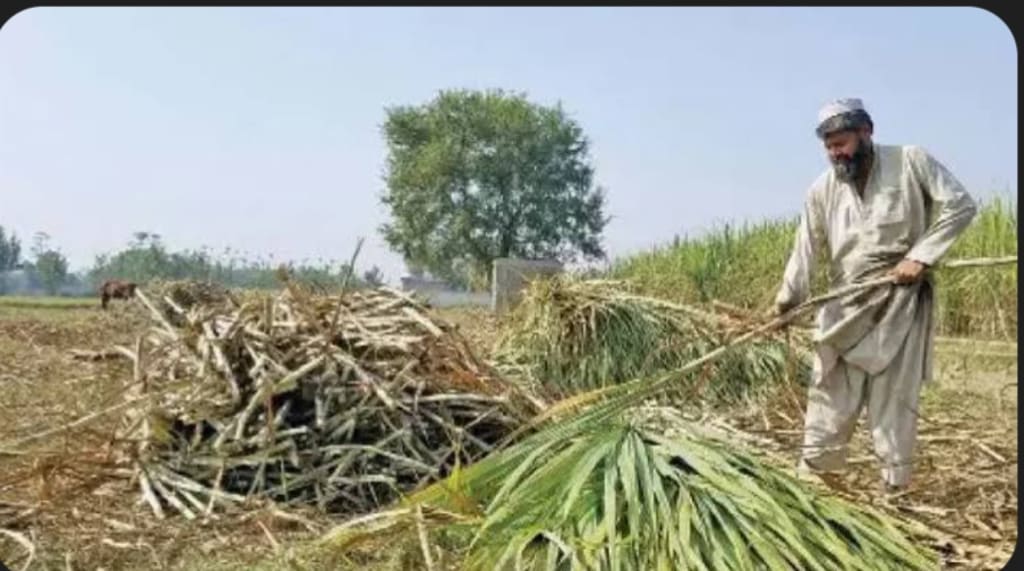
A rapid expansion in sugarcane cultivation is beginning to threaten cotton production in several key agricultural regions worldwide. Farmers, agronomists, and industry experts are raising the alarm as the boom in sugarcane — driven by rising demand for sugar, ethanol, and biofuels — begins to compete with cotton for land, water, and resources. The shift carries implications for global textile markets, local economies, and agricultural sustainability.
---
The Sugarcane Surge
Global sugar consumption has been steadily increasing due to population growth, rising incomes, and expanded industrial uses. Ethanol production, particularly in countries like Brazil and India, has further incentivized farmers to plant sugarcane. These combined factors have led to a boom in sugarcane cultivation in areas traditionally dominated by cotton.
For example:
India, the world’s second-largest cotton producer, has seen sugarcane acreage rise sharply in Maharashtra and Uttar Pradesh, historically cotton-rich regions.
Brazil, already the world’s largest sugarcane exporter, continues to expand production into marginal lands previously used for fiber crops.
Farmers are often lured by higher sugarcane profitability, particularly given government subsidies, price support mechanisms, and growing ethanol mandates in many countries. Cotton, by comparison, often faces volatile pricing in global markets, making sugarcane a more appealing cash crop.
---
Impact on Cotton Production
Cotton cultivation is resource-intensive, particularly water and nutrient requirements. As sugarcane expands, it competes directly for fertile land and irrigation resources, leading to:
Reduced cotton acreage: Many farmers are abandoning cotton fields in favor of sugarcane, decreasing overall cotton supply.
Pressure on water resources: Sugarcane is highly water-dependent. In regions facing water scarcity, such as central India, this can reduce the water available for cotton crops, affecting yields.
Soil health challenges: Continuous sugarcane planting may lead to soil depletion and higher pest pressure, which indirectly affects cotton productivity in neighboring fields.
Experts warn that sustained diversion of farmland to sugarcane could reduce cotton production significantly in key regions, which may impact global textile supply chains and export revenues.
---
Economic Implications for Farmers and Markets
While sugarcane may currently offer higher profitability, relying too heavily on a single crop can expose farmers to risk. Sugarcane markets are affected by global sugar prices, biofuel mandates, and climate conditions. A sudden downturn could leave regions vulnerable economically.
For the textile industry, a decline in cotton production may have far-reaching consequences:
Higher global cotton prices: Reduced supply can push up prices, impacting apparel manufacturers worldwide.
Increased reliance on imports: Cotton-importing countries may face higher costs and logistical challenges.
Textile sector instability: Countries like India, Pakistan, and Egypt rely heavily on cotton for domestic textile production; a supply squeeze could affect jobs in rural and industrial areas.
---
Environmental and Sustainability Concerns
The sugarcane expansion raises sustainability questions:
Water scarcity: Sugarcane requires up to 2,500 liters of water per kilogram, compared to about 1,300 liters for cotton, exacerbating stress in drought-prone areas.
Deforestation and biodiversity loss: In some regions, new sugarcane fields are encroaching on forests or wetlands, threatening biodiversity.
Greenhouse gas emissions: While sugarcane-based ethanol is marketed as a cleaner alternative to fossil fuels, clearing new land and expanding cultivation can increase carbon emissions.
Sustainable crop planning and integrated water management are critical to mitigate these environmental impacts while balancing economic interests.
---
Policy and Government Role
Government policies heavily influence crop choices. Incentives for sugarcane, such as minimum price support, guaranteed procurement, or ethanol blending mandates, encourage farmers to shift from cotton. Experts suggest that:
Policymakers should balance incentives to ensure that cotton farmers remain financially viable.
Investments in irrigation efficiency, soil health programs, and pest management could make cotton more competitive and sustainable.
Strategic crop zoning can help avoid conflicts between sugarcane and cotton cultivation in resource-constrained areas.
By aligning agricultural policy with market and environmental realities, governments can protect cotton production without stifling sugarcane growth.
---
Technological and Farming Solutions
Technology can play a pivotal role in addressing this conflict:
High-yield cotton varieties: Developing drought-tolerant and pest-resistant cotton can make the crop more attractive to farmers.
Efficient water use: Drip irrigation and rainwater harvesting can allow cotton and sugarcane to coexist in the same regions without overstraining resources.
Crop rotation strategies: Alternating sugarcane and cotton cycles can improve soil fertility and reduce pest pressure, sustaining long-term productivity.
Such approaches could help mitigate the negative impact of sugarcane expansion on cotton output.
---
Global Market Implications
The interaction between sugarcane and cotton is not just a local concern — it has global trade consequences.
Textile prices: Reduced cotton production may increase costs for manufacturers in Asia, Africa, and the Americas.
Export revenue: Cotton-exporting nations could face a drop in foreign exchange earnings if domestic production falls.
Commodity market volatility: The interconnection of sugar, ethanol, and cotton markets may lead to price swings that affect farmers, traders, and investors alike.
Industry analysts emphasize that coordinated monitoring and market forecasting are essential to avoid severe disruptions.
---
Conclusion: Navigating a Delicate Balance
The sugarcane boom presents both opportunity and risk. While it brings economic benefits to farmers and supports the global sugar and biofuel industries, it threatens cotton production, a cornerstone of the textile sector and rural livelihoods.
To maintain a balance, stakeholders must adopt integrated strategies involving government policy, technological innovation, water management, and sustainable farming practices. By doing so, it may be possible to reap the benefits of sugarcane expansion while protecting cotton cultivation, ensuring both economic stability and environmental sustainability.
Without urgent attention and planning, the ongoing shift toward sugarcane could reshape global agricultural landscapes, affecting food, fiber, and fuel security for decades to come.
---
Category:
Agriculture & Commodities
Alternative categories:
Farming & Rural Economy
Textiles & Cotton Industry
Sustainability & Crop Management
About the Creator
Keep reading
More stories from Salaar Jamali and writers in Journal and other communities.
Australia Makes £4.5 Trillion Find That Could Change the World’s Economy
Australia is already one of the world’s leading mineral producers, but a new discovery of iron ore valued at roughly £4.5 trillion (about US $6 trillion) could elevate the country’s role in the global economy even further. Hidden deep under Western Australia’s Hamersley region, one of the richest iron ore deposits ever identified is drawing attention across markets and governments alike due to its sheer scale and quality.
By Salaar Jamaliabout 18 hours ago in Journal
Exploring Dubai on a Budget: Affordable Things to Do
Let's be real, Dubai has a reputation for being a playground for the wealthy. But scratch beneath the gold-plated surface, and you'll discover a city brimming with surprisingly affordable adventures. After living here for three years and chatting with locals who know where the real value lies, I've learned that experiencing Dubai's magic doesn't require an endless wallet.
By Silverstone Rent a Car6 days ago in Journal
The Duelist
The rays of a dying red sun flashed against the onrushing blade. The grey beards say the key to dueling lies in size, speed, reach, righteous fury, whatever the person in front of them pays them to say. Matteo knew better than any it was none of these and had an undefeated record on these sands to prove it.
By Matthew J. Fromm2 days ago in Fiction



Comments
There are no comments for this story
Be the first to respond and start the conversation.