
Steps to Build an OTT Platform
Essential Guide to Create a Successful OTT Platform
As streaming services become more popular, platforms like Netflix, Hulu, and Disney+ have become essential for how people watch content.
Many businesses and creators are now looking to create their own OTT platforms to keep up with the demand.
While the process of building an OTT platform may seem overwhelming at first, breaking it down into simple steps makes it much easier to handle. With the right approach, anyone can develop a successful platform that attracts users and stands out in the competitive streaming market.
Here’s the guide to help you build an OTT platform development.
Step-1: Understand Your Audience and Content
Before creating an OTT platform, it is important to understand your audience.
Decide whether a movie lover, fitness enthusiast or gamer, so that you can plan the content based on that.
Understanding the audience will enable you to design features that meet their preferences.
Step-2: Choose the Right Business Model
Your OTT platform requires a well-defined revenue strategy.
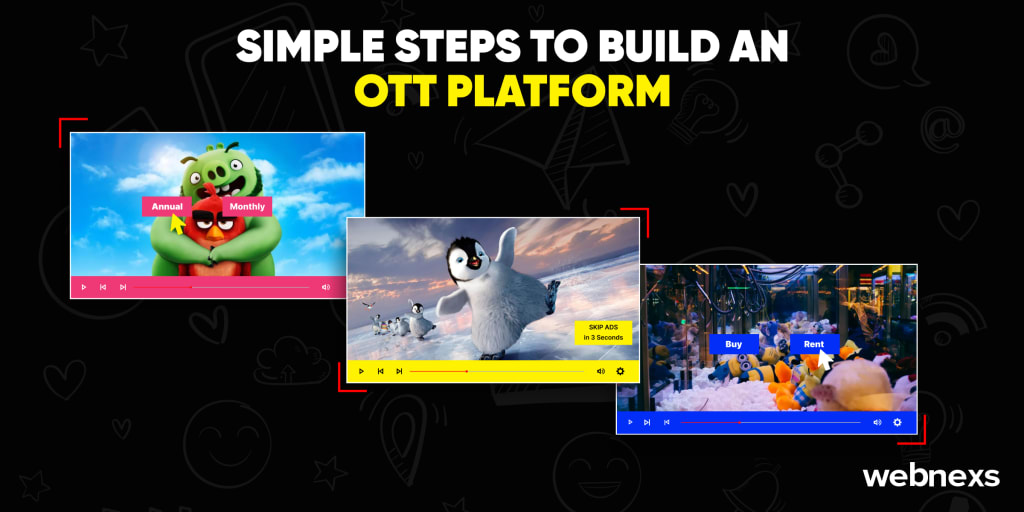
You can choose subscription-based models where users pay either monthly or yearly, transactional models for one-time content purchases, ad-supported models that provide free content with advertisements, or hybrid models that blend various approaches.
The decision should be based on your content offerings and target audience.
Step-3: Select the Platform’s Features
Your OTT platform will require several key features, including user registration, a content management system (CMS) to manage and organize videos, search and filter options for easy navigation, support for multiple devices, and secure payment integration.
These features will ensure that your platform is both functional and user-friendly.
Step-4: Focus on Content Delivery
Smooth streaming is essential for providing an excellent user experience.
To achieve fast video loading and reduce buffering, especially during peak traffic times, utilize a dependable Content Delivery Network (CDN).
This will ensure your content reaches users quickly and reliably, no matter where they are located.
Step-5: Invest in a Secure Platform
Safeguarding your content and user information is essential.
Employ security strategies such as Digital Rights Management (DRM) to deter unauthorized copying, utilize secure payment gateways to protect transactions, and implement encryption to ensure data transmission security.
This increases trust with your users and protects your business.
Step-6: Design an Intuitive User Interface
Your platform should have a simple and user-friendly design.
A simple layout that includes personalized recommendations, watchlists, and resume watching features can enhance user satisfaction.
An intuitive interface allows users to effortlessly discover and enjoy content.
Step-7: Test Your Platform
Before launching, make sure to thoroughly test your platform to identify and resolve any bugs or performance issues.
This includes ensuring smooth playback, secure payment processing, fast loading times, and compatibility across various devices and internet speeds.
Proper testing is essential for providing a reliable user experience.
Step-8: Launch and Promote Your OTT Platform
When your platform is ready, launch it and concentrate on promoting it.
Utilize social media campaigns, email marketing, and partnerships with influencers or creators to draw in users.
A solid marketing strategy is essential for establishing your platform’s brand and expanding its reach.
Conclusion
To create a successful OTT platform, you need a solid plan that caters to the growing demand for streaming.
Whether you're starting small or aiming big, consistency is crucial. Focus on understanding your audience and providing great content to enhance their experience.
With the right approach and hard work, your platform can stand out in the competitive OTT market. Continuously improve and add value to your users to ensure long-term growth and success.




Comments
There are no comments for this story
Be the first to respond and start the conversation.