
Stainless Steel Pipe: A Comprehensive Guide to Applications, Benefits, and Quality Standards
Exploring the Role of Stainless Steel Pipes in Modern Infrastructure and Industry

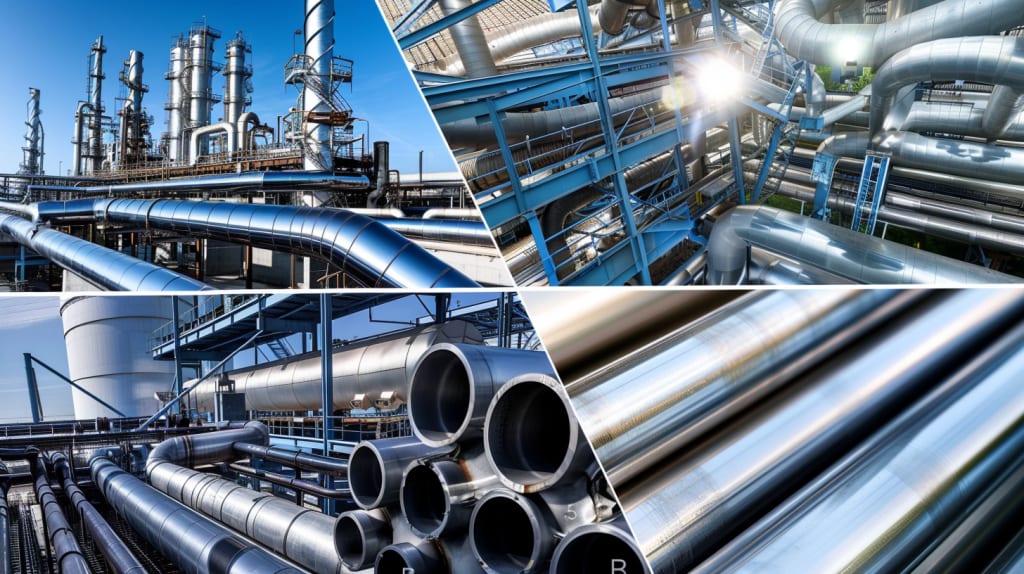
Stainless steel is one of the most versatile and reliable materials used in construction, manufacturing, and infrastructure development. Among its many forms, the stainless steel pipe stands out as a crucial component in transporting fluids, gases, and other materials safely and efficiently. Whether in residential plumbing, industrial processing plants, or large-scale infrastructure projects, stainless steel pipes have become the preferred choice for engineers and architects worldwide.
This article provides a detailed look into the uses, benefits, and manufacturing standards of stainless steel pipes, with a focus on why selecting a reputable pipeline metal supplier is essential for quality and performance.
What Makes Stainless Steel Pipes Unique?
Stainless steel is an alloy primarily composed of iron, chromium, and other elements such as nickel or molybdenum. The addition of chromium provides corrosion resistance, which is the defining feature of stainless steel. Pipes made from this alloy are known for their strength, resistance to rust, and ability to withstand high temperatures and pressures.
Unlike carbon steel or PVC pipes, stainless steel pipes are less prone to scaling, cracking, and contamination. This makes them an excellent choice for applications where cleanliness and durability are essential.
Common Applications of Stainless Steel Pipes
The versatility of stainless steel pipes allows them to be used across multiple sectors. Some of the most common applications include:
Plumbing Systems – Stainless steel pipes are widely used for water supply lines and drainage systems due to their durability and resistance to leaks.
Oil and Gas Industry – Pipelines for transporting crude oil, natural gas, and petroleum products often rely on stainless steel pipes to ensure long-term performance under harsh conditions.
Chemical Processing – In industries where corrosive materials are handled, stainless steel piping prevents contamination and reduces maintenance requirements.
Food and Beverage Industry – Stainless steel’s non-reactive nature makes it ideal for transporting consumable products without affecting taste or quality.
Construction and Architecture – Stainless steel pipes are used for structural applications, handrails, and decorative purposes due to their strength and modern aesthetic.
Power Generation – Power plants use stainless steel pipes for steam lines and heat exchangers because of their ability to handle high temperatures.
Benefits of Using Stainless Steel Pipes
Choosing stainless steel piping comes with numerous advantages beyond its corrosion resistance. These benefits include:
Durability – Stainless steel pipes have a long lifespan, often lasting decades without significant wear or corrosion.
Low Maintenance – They require less frequent replacement or repairs compared to other materials.
Sustainability – Stainless steel is 100% recyclable, making it an environmentally friendly choice.
Strength-to-Weight Ratio – Despite being lightweight, stainless steel pipes offer exceptional strength.
Aesthetic Appeal – Their polished finish adds a modern, clean look in architectural applications.
Hygienic Properties – Easy-to-clean surfaces make them ideal for industries where sanitation is critical.
Types of Stainless Steel Pipes
Stainless steel pipes are available in different types, each suited for specific applications:
- Seamless Pipes – Manufactured without welding, these pipes are ideal for high-pressure applications.
- Welded Pipes – Cost-effective and widely used in low- to medium-pressure applications.
- ERW (Electric Resistance Welded) Pipes – Suitable for structural and mechanical applications.
- U-Bend Pipes – Used in heat exchangers and condensers.
Each type undergoes rigorous quality checks to ensure compliance with international standards such as ASTM, ASME, and ISO.
Choosing the Right Pipeline Metal Supplier
Selecting a reliable pipeline metal supplier is a critical step in ensuring the success of your project. A good supplier offers:
- Certified Materials – Verified compliance with global quality standards.
- Customization Options – Pipes cut, shaped, or finished according to project needs.
- Technical Support – Expert guidance on selecting the right grade and type of stainless steel pipe.
- Consistent Quality – Regular inspection and testing to guarantee reliability.
When evaluating suppliers, consider their experience, reputation, and ability to deliver on time.
Maintenance and Longevity of Stainless Steel Pipes
While stainless steel pipes are low-maintenance, periodic inspection is necessary to ensure they remain in optimal condition. Recommended practices include:
- Cleaning pipes to remove any debris or buildup.
- Checking for signs of corrosion or leaks.
- Replacing worn-out gaskets and fittings as needed.
Proper maintenance can extend the lifespan of stainless steel piping systems significantly, reducing overall operational costs.
Future Trends in Stainless Steel Pipe Manufacturing
The stainless steel pipe industry continues to evolve with advancements in technology and sustainability initiatives. Future trends include:
Improved Alloy Composition – Development of new grades with enhanced corrosion resistance.
Automated Manufacturing – Use of robotics and AI for precision welding and quality control.
Eco-Friendly Production – Increased focus on reducing carbon emissions during manufacturing.
Digital Integration – Smart monitoring systems for pipelines to detect leaks or structural weaknesses in real-time.
These innovations will further enhance the performance and reliability of stainless steel piping systems.
Final Thoughts
Stainless steel pipes are indispensable to modern infrastructure, manufacturing, and everyday life. Their unmatched durability, resistance to corrosion, and adaptability make them a cost-effective solution for a wide range of applications. Whether you are building a water distribution network, designing an industrial plant, or constructing an architectural masterpiece, choosing high-quality stainless steel pipe from a trusted pipeline metal supplier ensures long-term reliability and efficiency.
By understanding the applications, benefits, and considerations involved, engineers, builders, and business owners can make informed decisions that lead to safer, more sustainable projects.
About the Creator
Keep reading
More stories from charliesamuel and writers in Journal and other communities.
Compostable Pouches and the Future of Sustainable Packaging
Introduction Packaging is an integral part of modern life. From protecting food items to ensuring safe transportation of products, packaging has become an essential aspect of daily consumption. However, the environmental consequences of single-use plastics and non-recyclable materials are pressing global concerns. This is where sustainable solutions like compostable pouches come into focus. As consumers, businesses, and governments increasingly demand eco-friendly options, the packaging industry is undergoing a significant transformation.
By charliesamuel4 months ago in Journal
The goals I did not achieve
Every writing goal I made for the year is a wash. It has been this way for a while, but I think it's important to be open about my failures and the reality of how life can get in the way. This is especially true considering the several times I have posted on Vocal about my writing goals, how I was changing my approach, and where I was hoping to be for the upcoming year. I will probably do that again in a couple months, but for now, it is time to acknowledge where I am today.
By Kay Husnick21 days ago in Journal
How AI Is Reshaping the Future of Software Development
Artificial intelligence is no longer an experiment running in parallel to engineering. It has moved directly into the production pipeline. For modern software development companies, AI is changing how code is written, tested, secured, and evolved. This shift is not cosmetic. It is structural. Businesses that treat AI as a feature will fall behind those that redesign their development model around it.
By Alice Carry2 days ago in Journal




Comments
There are no comments for this story
Be the first to respond and start the conversation.