
Compostable Pouches and the Future of Sustainable Packaging
Eco-Friendly Alternatives Transforming Modern Packaging

Introduction
Packaging is an integral part of modern life. From protecting food items to ensuring safe transportation of products, packaging has become an essential aspect of daily consumption. However, the environmental consequences of single-use plastics and non-recyclable materials are pressing global concerns. This is where sustainable solutions like compostable pouches come into focus. As consumers, businesses, and governments increasingly demand eco-friendly options, the packaging industry is undergoing a significant transformation.
This article explores the rise of compostable packaging solutions, focusing on compostable food pouches and biodegradable packaging bags. We will also look at the broader context of packaging bags, the role of custom flexible packaging manufacturers, and the potential benefits and challenges of adopting sustainable alternatives.
The Environmental Impact of Traditional Packaging
Traditional packaging materials, especially plastics, have long been favored due to their durability, flexibility, and low production costs. Yet, the same properties that make plastics useful also cause environmental problems. Plastics take hundreds of years to decompose, often breaking down into microplastics that contaminate ecosystems, harm marine life, and enter the food chain.
According to global studies, millions of tons of plastic packaging are discarded each year, with a significant portion ending up in landfills or oceans. This has led to widespread concern, pushing industries to reconsider packaging choices and search for alternatives that balance practicality with environmental responsibility.
What Are Compostable Pouches?
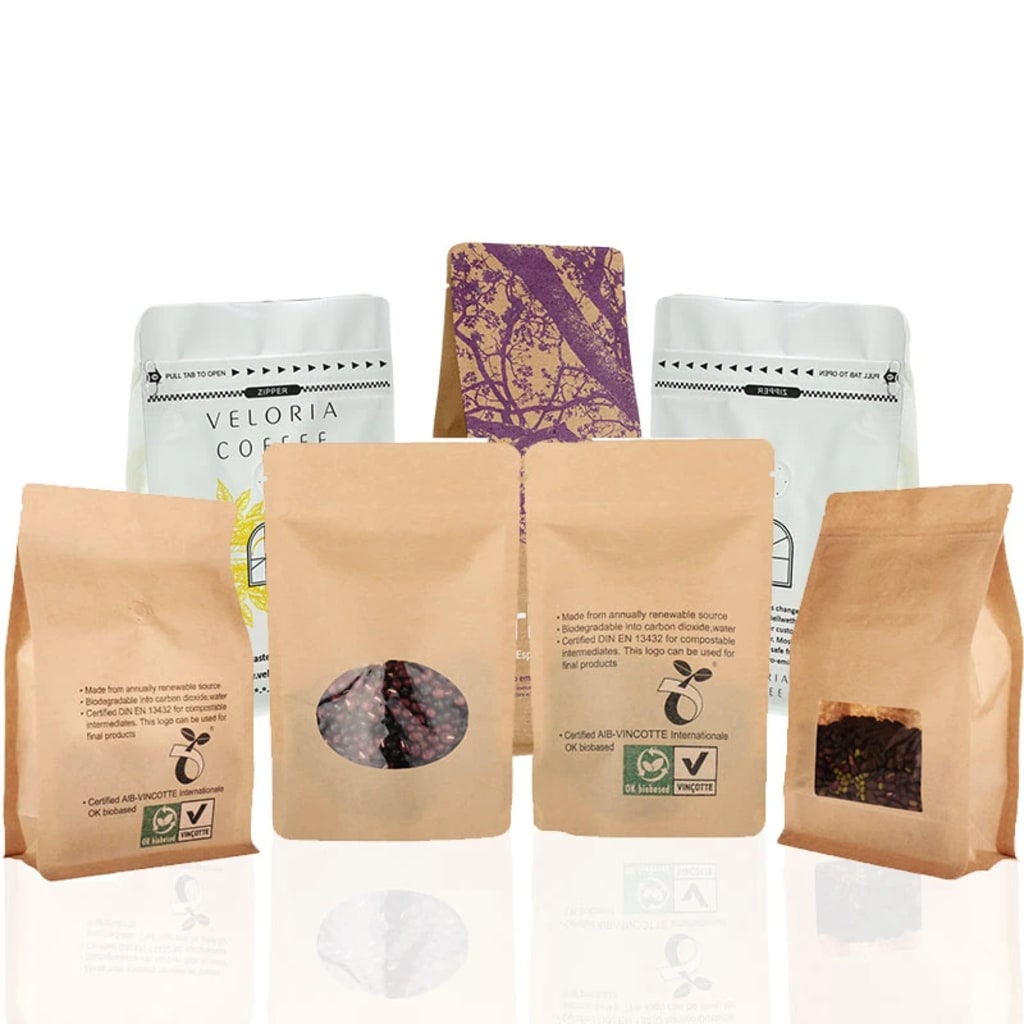
Compostable pouches are a type of packaging designed to break down naturally under composting conditions. Unlike conventional plastics, which linger in the environment, compostable food pouches decompose into organic matter, water, and carbon dioxide. These materials can be safely reintegrated into soil, closing the loop of the product lifecycle.
The key difference between compostable and biodegradable materials lies in their breakdown process. While biodegradable pouches eventually degrade, the timeline and byproducts can vary greatly. Compostable packaging, on the other hand, is designed to meet strict standards, ensuring it decomposes within a specific timeframe under industrial or home composting conditions.
Compostable Food Pouches in Everyday Use
In the food industry, packaging is not just about storage—it is about preserving freshness, ensuring hygiene, and communicating brand identity. Compostable food pouches provide an eco-friendly alternative without compromising functionality. They are suitable for snacks, coffee, tea, frozen food, dry goods, and even perishable items when combined with advanced barrier technologies.
Using compostable materials in food packaging has dual benefits. First, it reduces the reliance on petroleum-based plastics. Second, it addresses consumer demand for sustainable products, enhancing brand credibility in increasingly eco-conscious markets.
Biodegradable Pouches and Their Role in Sustainability
Biodegradable pouches are another category of environmentally friendly packaging. Unlike traditional plastics, they can naturally degrade over time through biological processes. However, it is essential to note that not all biodegradable food packaging bags decompose as efficiently as compostable options.
While both biodegradable and compostable packaging contribute to reducing plastic waste, compostable packaging offers greater predictability and reliability in disposal. For businesses and consumers, understanding these distinctions is vital to making informed decisions about packaging choices.
Custom Flexible Packaging and Innovation
The evolution of sustainable packaging would not be possible without the contribution of custom flexible packaging bag manufacturers. Flexible packaging refers to materials like pouches, bags, and films that can be molded or adjusted to different shapes. Its versatility makes it popular across industries ranging from food and beverage to pharmaceuticals and personal care.
By integrating compostable and biodegradable materials into flexible packaging solutions, manufacturers provide tailored options that align with specific business needs. This allows companies to balance sustainability with practicality, ensuring that packaging remains functional while reducing its environmental footprint.
Packaging Bags in Context
The concept of packaging bags has evolved significantly throughout history. Early packaging relied on natural resources such as leaves, animal skins, and woven fibers. With the industrial revolution came mass production and the widespread use of plastics. Today, the focus is shifting once again, this time toward materials that offer both protection and sustainability.
Modern packaging bags are expected to fulfill multiple functions: they must be durable, cost-effective, safe for consumers, and environmentally responsible. This combination of requirements is challenging but achievable with innovations in compostable and biodegradable materials.
Benefits of Compostable and Biodegradable Packaging
Environmental Protection – By replacing plastics, compostable food pouches reduce landfill waste and ocean pollution.
Resource Efficiency – Many biodegradable pouches are made from renewable resources, such as plant-based polymers, reducing dependence on fossil fuels.
Consumer Appeal – Shoppers increasingly prefer brands that demonstrate environmental responsibility. Packaging choices influence buying behavior.
Regulatory Compliance – Governments worldwide are introducing stricter packaging regulations, and adopting compostable solutions helps businesses stay ahead of compliance requirements.
Challenges and Limitations
Despite their benefits, compostable and biodegradable packaging solutions are not without challenges:
Infrastructure Needs – Industrial composting facilities are required for large-scale disposal, and such infrastructure is not universally available.
Higher Costs – Producing compostable food pouches often costs more than traditional plastic packaging.
Consumer Awareness – Misconceptions around terms like "biodegradable" and "compostable" can lead to confusion and improper disposal.
Overcoming these barriers will require collaboration between manufacturers, governments, and consumers. Education campaigns, incentives, and investment in composting infrastructure are essential steps in scaling sustainable packaging solutions.
The Future of Packaging: Toward a Circular Economy
The movement toward compostable and biodegradable packaging is part of a broader shift toward a circular economy. In this model, materials are designed to re-enter the production cycle rather than becoming waste. Compostable pouches, when properly disposed of, contribute organic matter back into the soil, enriching it for future agricultural use.
As technology advances, the performance of compostable packaging is expected to improve further. Researchers are working on enhancing barrier properties, durability, and shelf life, making these materials even more competitive with traditional plastics.
Conclusion
The packaging industry stands at a pivotal crossroads. With mounting environmental concerns, the need for sustainable alternatives is more urgent than ever. Compostable pouches, biodegradable food packaging bags, and innovations from custom flexible packaging manufacturers represent meaningful steps toward a sustainable future.
While challenges remain, the progress made so far demonstrates the potential for packaging to evolve in harmony with environmental needs. By adopting compostable food pouches and biodegradable pouches, society can reduce its dependence on plastics, minimize pollution, and move closer to a circular economy. In this way, packaging transitions from being part of the environmental problem to becoming part of the solution.
About the Creator
Keep reading
More stories from charliesamuel and writers in Journal and other communities.
The Rise of Sustainable Packaging: A Closer Look at Recyclable Pouches and Flexible Packaging
Packaging plays an essential role in modern commerce. It not only protects goods during transportation but also communicates brand identity, influences consumer decisions, and impacts the environment. With the growing awareness of climate change and waste management, industries are shifting toward eco-friendly solutions. One such innovation that is gaining traction worldwide is recyclable pouch packaging. This trend is reshaping the future of product presentation, storage, and sustainability.
By charliesamuel6 months ago in Journal
Author’s Advice
If you would’ve asked me 20 years ago did I know I’d become a writer and an author, I would’ve said “nope, ain’t happening”. As fate would have it I did become an author and I can honestly say I’m loving it so far. It really does feel good to be a writer. I’ve learned a lot on this journey and I feel like with even me being as new to this world as I am, there’s some wisdom I need to share with every other aspiring author.
By Joe Patterson3 days ago in Journal



Comments
There are no comments for this story
Be the first to respond and start the conversation.