
Specialty Fertilizers Market Set for Strong Growth Through 2033
Rising demand for high-efficiency, eco-friendly fertilizers is transforming global agriculture, with the market projected to reach US$ 64.81 billion by 2033.

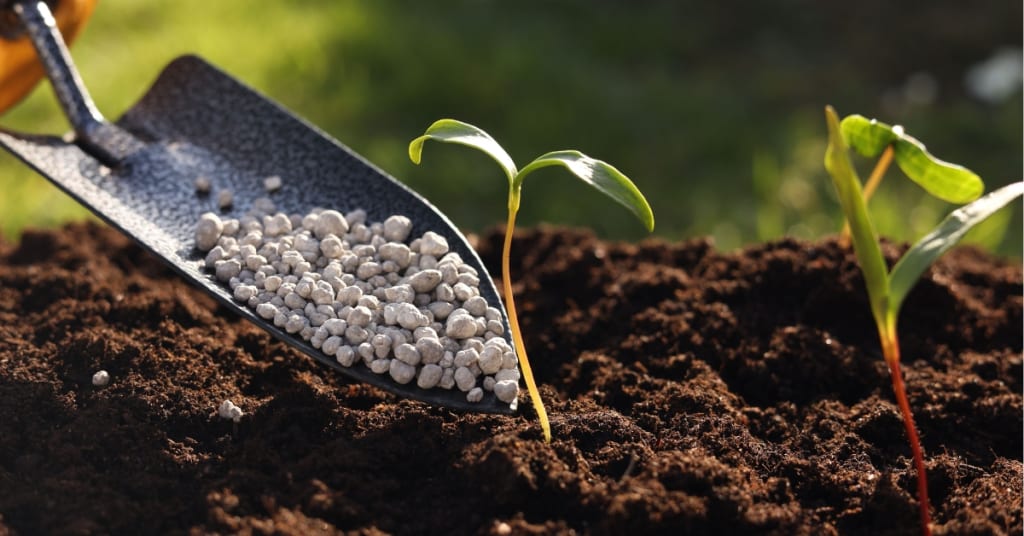
Specialty Fertilizers Market Overview
The global specialty fertilizers market is entering a decade of accelerated growth as farmers, governments, and agri-tech companies push for sustainable and efficient farming solutions. According to recent estimates, the market is expected to expand from US$ 37.78 billion in 2024 to US$ 64.81 billion by 2033, registering a compound annual growth rate (CAGR) of 6.18% between 2025 and 2033.
This growth reflects not only the rising demand for higher crop yields and better-quality produce but also a worldwide transition toward eco-friendly farming practices. With global food demand increasing rapidly, specialty fertilizers are becoming vital tools in modern agriculture.
What Are Specialty Fertilizers?
Unlike conventional fertilizers that primarily provide nitrogen, phosphorus, and potassium, specialty fertilizers are designed with precision. They supply targeted nutrients to crops at the right time, often using advanced technologies like controlled release, water solubility, and micronutrient enrichment.
Applications are particularly strong in high-value crops, greenhouse farming, and horticulture. Farmers use slow-release fertilizers, liquid blends, water-soluble products, and foliar sprays to optimize nutrient delivery, improve soil health, and minimize waste. These fertilizers also play a key role in precision agriculture, ensuring sustainable practices while protecting the environment from nutrient runoff.
Key Growth Drivers
1. Demand for High-Quality Crops
The world’s growing population has created unprecedented demand for nutritious, high-yielding crops. Specialty fertilizers provide precise nutrients that enhance crop quality, disease resistance, and yield. Food security concerns and consumer preferences for premium produce have further boosted their adoption.
2. Transition to Sustainable Farming
Farmers across the globe are moving toward eco-friendly farming practices. Specialty fertilizers, particularly organic and slow-release types, help improve soil health, reduce wastage, and prevent over-fertilization. This aligns with the rising demand for organic produce and government-led sustainability initiatives.
3. Technological Advancements
The introduction of controlled-release, nano-fertilizers, and micro-encapsulated formulations has improved nutrient efficiency and reduced losses. Integration with precision farming technologies, such as GPS-based application and remote sensing, makes specialty fertilizers even more effective. Farmers adopting these advanced solutions benefit from higher yields with lower costs.
Market Segmentation Insights
By Fertilizer Type
- Urea Ammonium Nitrate (UAN): Expected to hold the largest share due to its versatility and ease of application. UAN delivers nitrogen efficiently, reducing nutrient losses and ensuring rapid crop uptake.
- Calcium Ammonium Nitrate, Monoammonium Phosphate, Potassium Sulfate, and Potassium Nitrate are also witnessing steady demand across global markets.
By Crop
- Fruits & Vegetables: The fastest-growing segment, driven by the global appetite for organic and high-value produce. Specialty fertilizers enhance taste, appearance, and shelf life.
- Commercial Crops: Adoption is rising in crops like cotton, sugarcane, and coffee where nutrient balance directly affects profitability.
By Type
Water-Soluble Fertilizers are the most popular, widely used in fertigation and foliar feeding due to their efficiency. Products like potassium nitrate and monoammonium phosphate dissolve quickly, making them ideal for precision farming.
Micronutrient and controlled-release fertilizers are gaining traction for their role in minimizing nutrient runoff and improving soil health.
By Application
- Fertigation (fertilizer application through irrigation) is set to dominate, reflecting farmers’ shift toward efficient and automated nutrient delivery.
- Foliar feeding and soil application remain important but are increasingly supplemented by high-tech fertigation systems.
Regional Outlook
North America
The region is a leader in adopting advanced agricultural technologies. In the United States, demand for controlled-release and micronutrient fertilizers is growing rapidly. Farmers are embracing precision agriculture, aided by GPS and sensor-based systems, to optimize crop yields while meeting consumer demand for organic produce. Recent product launches, such as ICL’s Nova brand of water-soluble fertilizers, highlight the market’s innovation.
Europe
European farmers are at the forefront of sustainable farming practices, supported by government regulations. Countries like Germany, France, and the UK are investing heavily in controlled-release and organic fertilizers. In Germany, digital farming tools and eco-friendly regulations are accelerating market adoption. The EU’s upcoming fertilizer standards have prompted companies like ICL to develop biodegradable coating technologies for controlled-release products.
Asia-Pacific
This region is the fastest-growing market, led by China and India. Rising population and food security needs are driving demand for efficient fertilizers. China, with its vast agricultural base, is expected to witness the fastest growth worldwide, supported by government-backed sustainability initiatives and international partnerships. For instance, ICL’s five-year deal with AMP Holdings in China, worth $170 million, underscores the region’s strategic importance.
Middle East & Africa
Agriculture in Saudi Arabia, Nigeria, Egypt, and Kenya faces challenges of limited arable land and water scarcity. Specialty fertilizers, especially slow-release and micronutrient products, are being adopted to maximize yields. Government programs promoting food security and sustainable farming are further boosting demand.
👉 For deeper analysis, detailed segment data, and company insights: 🔗 Request Customization Report
Key Industry Players
Several global leaders dominate the specialty fertilizer landscape:
- CF Industries Holdings Inc.
- Israel Chemicals (ICL)
- Yara International ASA
- Kingenta Ecological Engineering Group Co., Ltd.
- Nagarjuna Fertilizers and Chemicals Limited
- The Mosaic Company
- BASF SE
- OCI Global
These companies are focusing on product innovation, strategic partnerships, and regional expansion to strengthen their market positions. Recent trends include collaborations with local distributors, investments in biodegradable formulations, and expansion into emerging markets.
Future Outlook
The specialty fertilizers market is set to play a pivotal role in reshaping agriculture over the next decade. Growing emphasis on food security, sustainability, and technological innovation will ensure steady demand across regions. Fertigation systems, eco-friendly fertilizers, and advanced nutrient formulations are expected to dominate future strategies.
By 2033, the industry will not only reach nearly US$ 65 billion but also redefine farming practices by making agriculture more efficient, sustainable, and aligned with global food needs.
Note: If you need details, data, or insights not covered in this report, we are glad to assist. Through our customization service, we will collect and deliver the information you require, tailored to your specific needs. Share your requirements with us, and we will update the report to align with your expectations.
About the Creator
Marthan Sir
Educator with 30+ years of teaching experience | Passionate about sharing knowledge, life lessons & insights | Writing to inspire, inform, and empower readers.
Keep reading
More stories from Marthan Sir and writers in Journal and other communities.
Africa Air Conditioner Market to Reach $12.23 Billion by 2033, Driven by Urbanization, Climate Change, and Tourism Growth
Introduction: Cooling Solutions for a Warming Continent The Africa Air Conditioner Market is set for significant expansion, projected to rise from USD 7.67 billion in 2024 to USD 12.23 billion by 2033, growing at a CAGR of 5.32% during 2025–2033.
By Marthan Sir4 months ago in Journal
The goals I did not achieve
Every writing goal I made for the year is a wash. It has been this way for a while, but I think it's important to be open about my failures and the reality of how life can get in the way. This is especially true considering the several times I have posted on Vocal about my writing goals, how I was changing my approach, and where I was hoping to be for the upcoming year. I will probably do that again in a couple months, but for now, it is time to acknowledge where I am today.
By Kay Husnick16 days ago in Journal


Comments
There are no comments for this story
Be the first to respond and start the conversation.