
Soft Girls Trend: a social media phenomenon that arouses attraction and controversy
The soft girls surprise with a traditional lifestyle

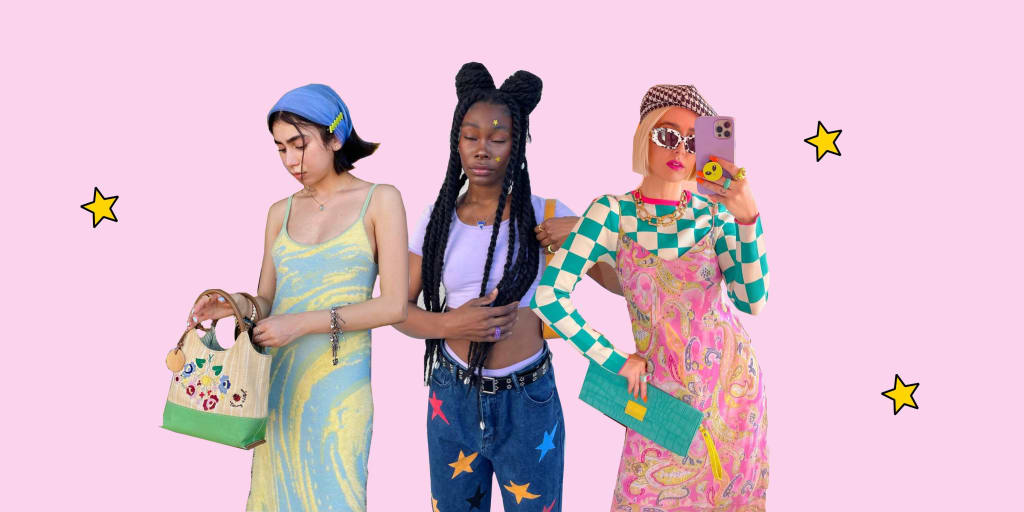
The soft girls represent a new trend where the woman does not work and lives at the expense of a man who pays her everything, who can be boyfriend, partner or husband.
They receive a monthly salary for staying at home, investing the time in personal care such as physical training and various aesthetic treatments. The soft girls also attend many recreational activities and take care of evolving spiritually. They decide not to have children, something they agree with their husbands. The men who accompany them also agree to support them financially, taking responsibility for all expenses. These men enjoy having a partner who is not economically active, since she does not represent any kind of competition for them. Although it may seem incredible, there are some men who perceive women who work as overly competitive. Therefore, they feel comfortable with women who choose to stay at home.
It is worth noting that all this happens under the consent of both members of the couple, they agree with this lifestyle, which is valid and respectable.
A response to social pressure
Researchers point out that the soft girl trend could be a reaction to the exhaustion that many women experience when trying to meet high expectations in various areas: work, personal and family. The pressure to stand out in the professional field, while trying to maintain a balance in life, could be leading some young women to choose a more conventional lifestyle.
However, critics warn that this choice could lead to long-term consequences, such as economic dependence, lack of autonomy and an adverse effect on the general perception of gender equality.
The phenomenon of soft girls has raised complex questions: is it a question of personal freedom or a setback for women? Can the pursuit of individual comfort coexist with gender equality? In the Western world, where equality has been an essential pillar, this debate has not yet found a clear resolution.
Meanwhile, the trend continues to gain followers on social networks, evidencing the tensions between the new generations and the historical struggles that have forged women's rights.
Inspiration

The first woman to define herself as a soft girl is Vilma Larsson, a 25-year-old Swedish young influencer who is proud of this lifestyle. She has become an influencer on Instagram, YouTube and TikTok, although she claims that she does not earn income from her content. Larsson describes herself as a soft girl, a woman who adopts a quieter lifestyle instead of focusing on a professional career. The soft girls have been a microtrend on social networks in many countries of the world since the late 2010s.The popularity of this lifestyle has caused surprise and division.
Before the soft girl trend there were always the WAGS, that is, the wives or girlfriends of wealthy athletes. They, just as soft girls do not, choose not to work, since their husbands earn huge sums of money. They could have a professional career, but they prefer not to have it.
Young girls from all over the world dream of having an amazing lifestyle like Holly Luyah, Sheawna Weathersby, Marissa Rand, Kelly Stafford, Callie Dellinger, Antonella Rocuzzo and Georgina Rodriguez, among many others.
They are inspired by these women to achieve. someday, marry a wealthy elite athlete who will be able to give them an opulent lifestyle without needing to work.
A trend that is here to stay
While the soft girl trend offers a sense of community and support for many young women, it also raises concerns among mental health professionals. Critics argue that the idealization of a carefree, dependent lifestyle may contribute to unrealistic expectations and exacerbate mental health issues. For instance, a report highlighted that Gen-Z women are experiencing increased rates of anxiety and depression, partly due to the pressures of conforming to these curated lifestyle.
The soft girl trend is not without its critics. Some argue that it romanticizes a return to traditional roles that may undermine the progress made in women's rights and equality. The trend has been described as both a form of self-actualization and a potential slide back into patriarchal norms, prompting discussions about the balance between personal fulfillment and societal expectations.
As the trend evolves, it continues to influence fashion, social media, and discussions around femininity and empowerment. The soft girl aesthetic has been embraced by various designers and celebrities, further embedding it into mainstream culture.
About the Creator
Ninfa Galeano
Journalist. Content Creator. Media Lover. Geek. LGBTQ+.
Visit eeriecast ,where you'll find anonymous horror stories from all over the world. Causing insomnia since 2023.
Keep reading
More stories from Ninfa Galeano and writers in Journal and other communities.
Meet Lily Phillips: today's leading representative of controversial fame
Lily Phillips has become the world's biggest controversial celebrity endorser. Thanks to her questionable sexual challenges on Onlyfans, she has a net worth of $43 million, at just 23 years old.
By Ninfa Galeano9 months ago in Journal
How AI Tools for SEO Changed the Way I Create Content and Rankings
I still remember the first time I heard someone say that artificial intelligence would replace SEO writers. At that time, I was already struggling to balance keyword research, content planning, optimization, and the constant pressure to rank higher on search engines. SEO felt less like creativity and more like a never-ending checklist. That was the moment when I decided to give AI tools for SEO a serious try, not as a shortcut, but as a support system.
By Anthony Rodgers3 days ago in Journal
Center Stage with Paul Stewart
*** I'm keen to republish the interviews I did for my series with Vocal creators. It's been a few years and I thought it might be nice to revisit these wonderful conversations. I'll be releasing them one at a time for a few weeks/months.
By Heather Hubler4 days ago in Interview




Comments
There are no comments for this story
Be the first to respond and start the conversation.