
SNAP Benefits Caught in the Crossfire: The Human Cost of America’s Longest Shutdown
As the federal government shutdown drags on, millions of families face uncertainty over food assistance and daily survival.

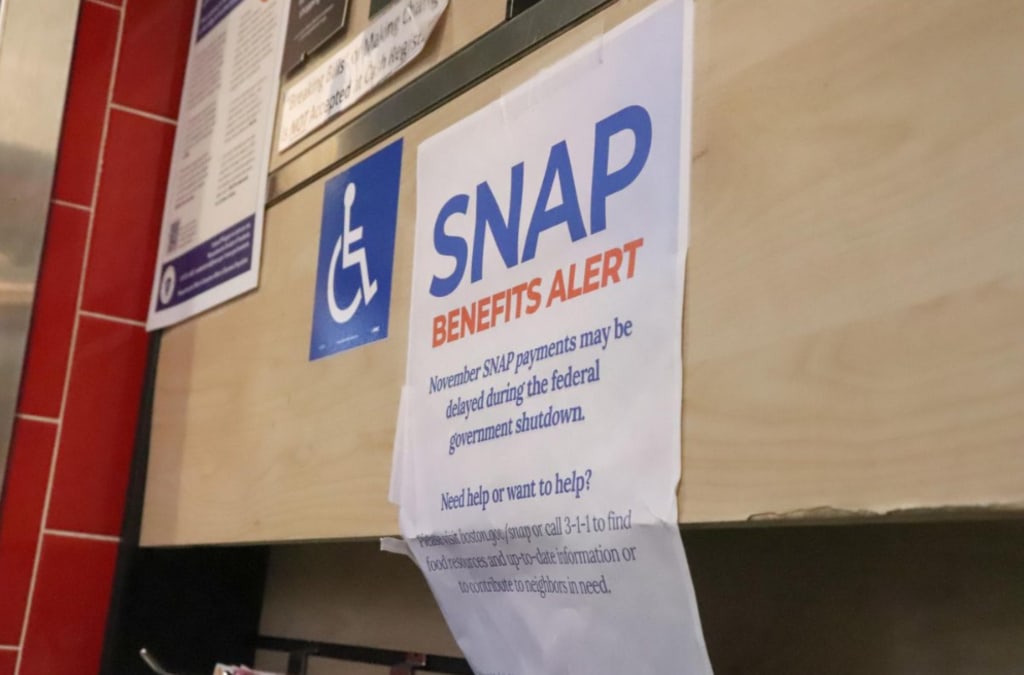
The United States is now facing the longest federal government shutdown in history, and its ripple effects are hitting home — literally. With the Supreme Court extending a stay that allows the U.S. Department of Agriculture (USDA) to delay full Supplemental Nutrition Assistance Program (SNAP) payments, millions of low-income families are now unsure how they will put food on the table this month.
While Washington debates budgets and political strategy, many Americans are running out of groceries, time, and patience.
The Legal Pause — and the Political Gridlock
The latest twist came when the Supreme Court ruled to extend a temporary stay on SNAP payments, siding with the USDA’s request for flexibility during the shutdown. The agency claims it cannot legally disburse the full monthly benefits without new congressional funding, citing the Antideficiency Act — a law that bars most spending without an approved budget.
Critics, however, argue that the pause is a policy choice disguised as a legal necessity.
“This is not just about paperwork,” said Senator Tammy Duckworth (D-IL). “This is about food on the table for millions of families who did nothing wrong except rely on a system that promised to be there for them.”
The USDA insists it is doing what it can under limited circumstances, including shifting emergency reserves and prioritizing the most vulnerable. But that relief won’t last long.
The Numbers Behind the Crisis
SNAP, often referred to as “food stamps,” supports more than 41 million Americans, including seniors, children, and working families. The program injects about $8 billion per month into local economies and grocery stores across the country.
If full benefits remain delayed beyond mid-month, some states could see an 80% reduction in food assistance distribution — a devastating blow for communities already grappling with high living costs and inflation.
Food banks are warning of shortages as demand spikes. The Feeding America network has reported a 20% increase in emergency food requests in just the last two weeks. Many families who once relied on monthly SNAP payments are turning to local charities for the first time.
“This is the biggest strain we’ve seen since the pandemic,” said Lisa Marsh, director of a Chicago food pantry. “People are scared and angry. They’re asking, ‘How can the government just stop feeding people?’”
A Shutdown with Real Consequences
The current shutdown, sparked by a partisan impasse over federal spending and border security, has already furloughed hundreds of thousands of federal workers. Now, the fallout is spreading to America’s most vulnerable citizens.
SNAP isn’t the only program in jeopardy — WIC (Women, Infants, and Children), Section 8 housing, and even some Medicaid reimbursements could face delays if the shutdown continues deep into November.
Political analysts say both parties risk backlash if the stalemate continues. While Republicans argue for fiscal restraint, Democrats are framing the issue as a moral failure that punishes working families.
“Every day the government stays closed, the trust between citizens and their leaders erodes a little more,” said political scientist Dr. Henry Lopes. “SNAP is not just about food — it’s about the promise that the government will protect the basic dignity of its people.”
The Human Toll
Beyond the political theater, the impact is deeply personal.
In rural Alabama, a single mother of three, already juggling two part-time jobs, said her $780 monthly SNAP payment was the difference between stability and hunger. “Now I’m cutting meals,” she said quietly. “We’re back to ramen noodles and peanut butter. I don’t know how much longer we can do this.”
Similar stories are unfolding in cities and towns across the nation. Grocery stores in low-income neighborhoods are reporting reduced sales, threatening local jobs and small businesses.
A Call for Urgency
While lawmakers negotiate, millions of Americans wait. The longer the shutdown drags on, the harder it becomes to reverse the damage. Advocates are calling on Congress to pass an emergency funding bill to restore full SNAP payments immediately, warning that food insecurity will only deepen if action is delayed.
As history shows, shutdowns end — but the scars they leave on everyday Americans can last far longer.
For now, SNAP recipients across the country are hoping for one thing: a government that works again.
:
#GovernmentShutdown #SNAPBenefits #FoodSecurity #USPolitics #EconomicCrisis #HungerInAmerica #SocialJustice #WashingtonNews #PublicPolicy
About the Creator
Shakil Sorkar
Welcome to my Vocal Media journal💖
If my content inspires, educates, or helps you in any way —
💖 Please consider leaving a tip to support my writing.
Every tip motivates me to keep researching, writing, sharing, valuable insights with you.
Keep reading
More stories from Shakil Sorkar and writers in Journal and other communities.
JFK’s Legacy Returns: Jack Schlossberg Enters the Race for Congress
For the first time in decades, the Kennedy name is back on a ballot. Jack Schlossberg, the only grandson of former President John F. Kennedy, has officially announced his candidacy for the U.S. House of Representatives from New York’s 12th Congressional District, setting off a wave of excitement — and scrutiny — across the political world.
By Shakil Sorkar2 months ago in Journal




Comments
There are no comments for this story
Be the first to respond and start the conversation.