
sleep Apnea and Weight Gain: Is Your Poor Sleep Making You Gain Weight?
Mamvir Bhatia
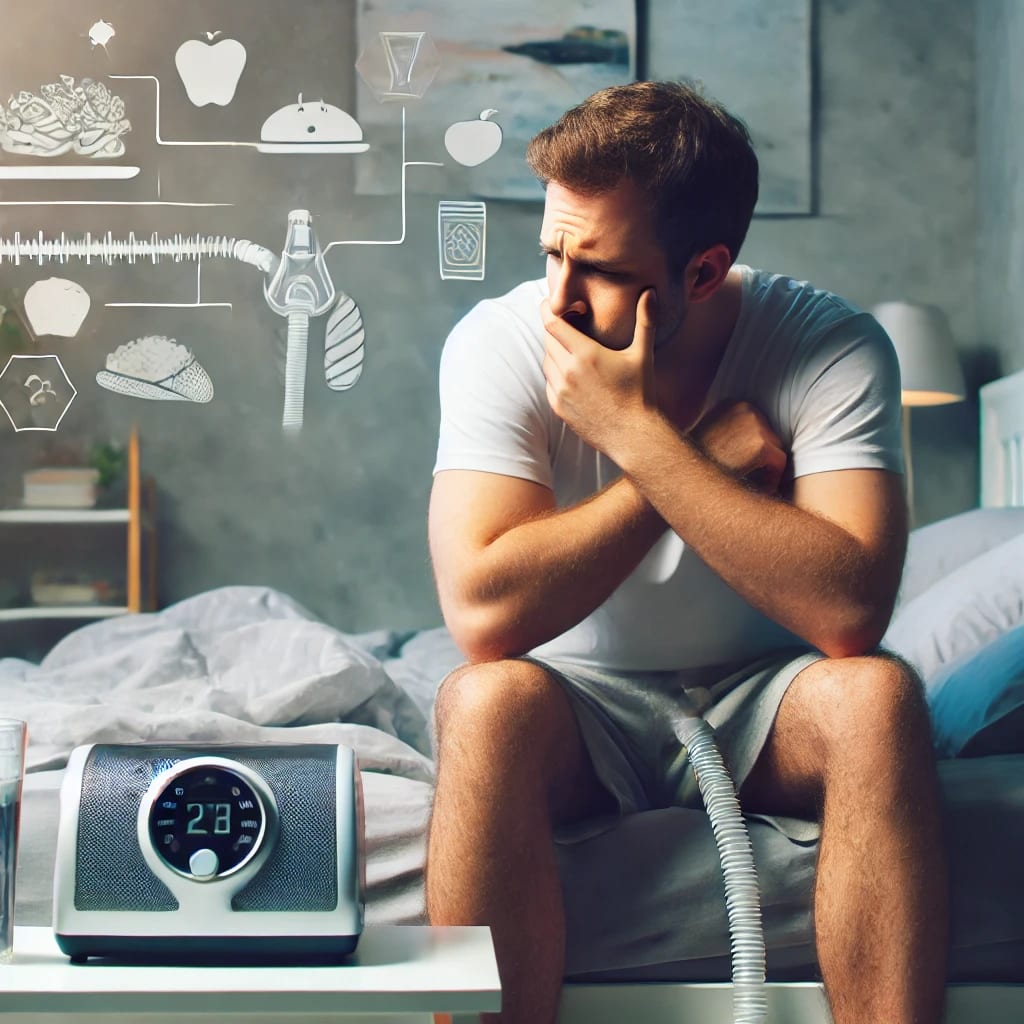
Sleep Apnea and Weight Gain: Is Your Poor Sleep Making You Gain Weight?
Sleep is one of the most crucial factors for maintaining overall health, but did you know that poor sleep can contribute to weight gain? If you’ve been struggling with unexplained weight gain despite maintaining a healthy diet and exercise routine, sleep apnea could be the hidden culprit. This common sleep disorder not only disrupts your rest but can also have significant effects on your metabolism, hormones, and appetite control. Let’s explore the link between sleep apnea and weight gain and what you can do about it.
Understanding Sleep Apnea
Sleep apnea is a sleep disorder where breathing repeatedly stops and starts during sleep. The most common type, obstructive sleep apnea (OSA), occurs when throat muscles relax excessively, blocking the airway. This results in poor oxygen flow, forcing the body to wake up multiple times during the night.
Many people with sleep apnea experience:
- Loud snoring
- Daytime fatigue
- Morning headaches
- Poor concentration
- Mood swings
While sleep apnea can affect anyone, it is more common in overweight individuals. However, what’s often overlooked is that sleep apnea itself can contribute to weight gain, creating a vicious cycle.
How Sleep Apnea Leads to Weight Gain
Hormonal Imbalance
Sleep plays a critical role in regulating hormones that control hunger and metabolism. Sleep apnea disrupts this balance, leading to:
Increased Ghrelin Levels: Ghrelin is the hormone that stimulates hunger. When you don’t get enough quality sleep, ghrelin levels rise, making you crave high-calorie, sugary, and fatty foods.
Decreased Leptin Levels: Leptin is the hormone responsible for signaling fullness. Poor sleep lowers leptin levels, making it harder for your body to recognize when you’ve had enough to eat.
Slower Metabolism
Sleep deprivation caused by sleep apnea affects how efficiently the body burns calories. When the body doesn’t rest properly, it shifts into energy conservation mode, slowing down metabolism and making weight loss more difficult.
Increased Insulin Resistance
Poor sleep contributes to insulin resistance, where the body struggles to process glucose properly. This can lead to higher blood sugar levels, increasing the risk of weight gain and even type 2 diabetes.
Chronic Fatigue and Reduced Physical Activity
People with sleep apnea often feel exhausted during the day due to frequent sleep interruptions. This chronic fatigue lowers motivation for exercise and physical activities, leading to weight gain over time.
Stress and Cortisol Levels
Lack of sleep triggers the release of cortisol, a stress hormone linked to fat storage, especially around the abdomen. Elevated cortisol levels due to sleep apnea can make it harder to lose weight and easier to gain fat.
Breaking the Sleep Apnea and Weight Gain Cycle
If you suspect that sleep apnea is affecting your weight, here are some steps to help break the cycle:
1. Seek Professional Help
The first step is getting properly diagnosed. A sleep study (polysomnography) can determine whether you have sleep apnea. Consulting a sleep specialist or neurologist can help you get the right treatment.
2. Consider CPAP Therapy
The most effective treatment for moderate to severe sleep apnea is Continuous Positive Airway Pressure (CPAP) therapy. A CPAP machine keeps your airway open, improving sleep quality and restoring hormonal balance, which can help with weight control.
3. Maintain a Healthy Diet
- Reduce processed foods, sugar, and refined carbs to prevent insulin spikes.
- Increase fiber, protein, and healthy fats to stay full longer.
- Stay hydrated, as dehydration can sometimes be mistaken for hunger.
4. Exercise Regularly
- Aim for 30 minutes of moderate exercise at least five days a week.
- Include both cardio and strength training to boost metabolism.
- Simple activities like walking after meals can improve blood sugar control.
5. Improve Sleep Hygiene
- Stick to a consistent sleep schedule (even on weekends).
- Avoid blue light exposure from screens at least an hour before bed.
- Create a relaxing bedtime routine to promote deeper sleep.
Final Thoughts
The connection between sleep apnea and weight gain is undeniable. Poor sleep disrupts hormones, slows metabolism, and increases cravings, making it harder to maintain a healthy weight. If you are struggling with weight gain and suspect sleep apnea, addressing the root cause could be the key to long-term success. Seeking professional guidance, improving sleep habits, and adopting a healthy lifestyle can help you regain control of both your sleep and your weight.
If you need expert consultation for sleep apnea, don’t hesitate to reach out to a sleep specialist today. Taking the right steps now can transform your health and well-being for the better!
About the Creator
Keep reading
More stories from Dr manvir bhatia and writers in Journal and other communities.
Is Your Headache More Than Just Stress? When to See a Neurologist
We all experience headaches from time to time, whether from stress, dehydration, lack of sleep, or even too much screen time. But what if your headaches are persistent, severe, or accompanied by other unusual symptoms? Could it be something more serious than just stress?
By Dr manvir bhatia11 months ago in Journal
Florida Business Insurance Requirements
Running a business in Florida means operating in one of the most dynamic—and complex—risk environments in the country. Between climate exposure, legal requirements, contractual obligations, and industry-specific risks, insurance is not just a formality. It is a structural component of how a business survives disruptions, disputes, and unexpected losses.
By American US Insurance4 days ago in Journal



Comments
There are no comments for this story
Be the first to respond and start the conversation.