
Is Your Headache More Than Just Stress? When to See a Neurologist
Manvir Bhatia
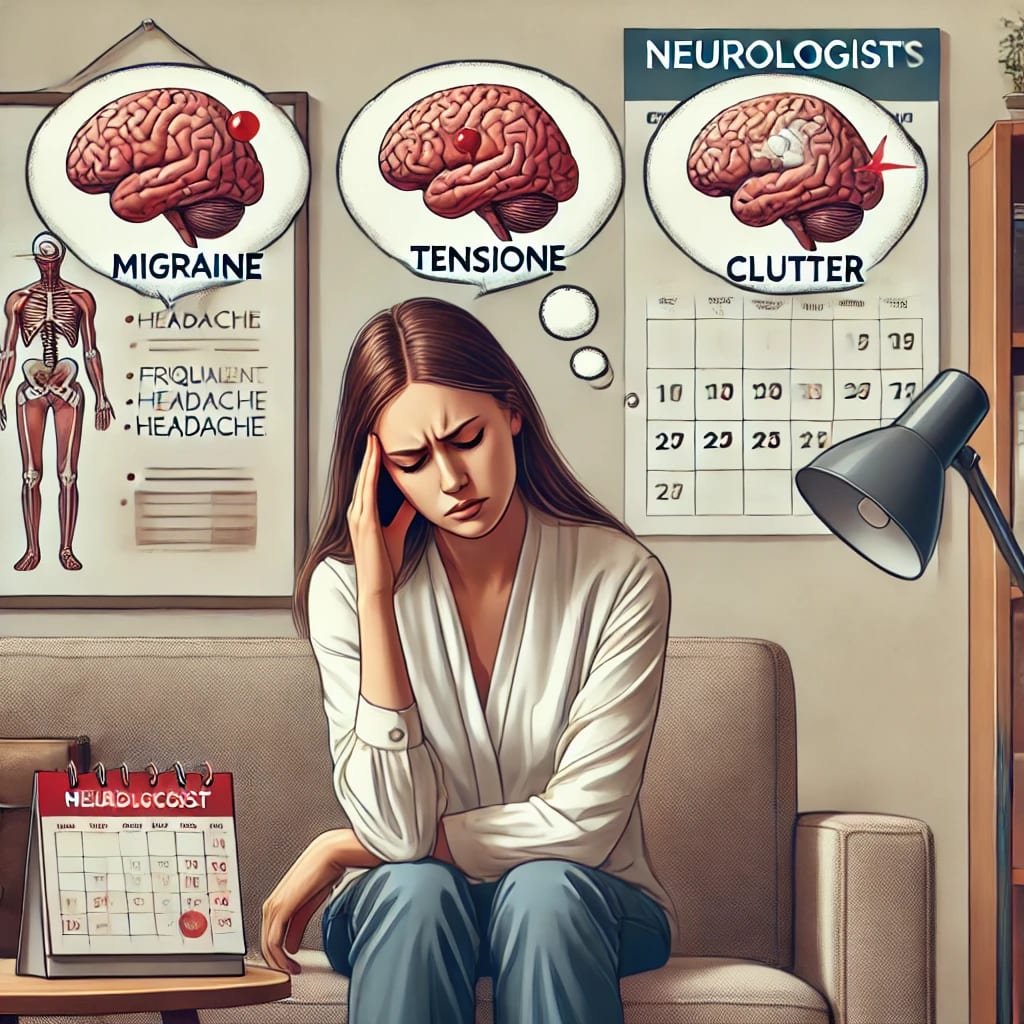
We all experience headaches from time to time, whether from stress, dehydration, lack of sleep, or even too much screen time. But what if your headaches are persistent, severe, or accompanied by other unusual symptoms? Could it be something more serious than just stress?
Understanding when a headache requires medical attention is crucial. While most headaches are harmless, some can indicate underlying neurological conditions that need urgent care. Here’s what you need to know about different types of headaches and when to see a neurologist.
Common Types of Headaches
Before worrying about serious conditions, it's important to understand the most common types of headaches:
1. Tension Headaches
The most common type of headache, often linked to stress, anxiety, or poor posture.
Feels like a dull, aching pain on both sides of the head.
Usually relieved by rest, hydration, or over-the-counter painkillers.
2. Migraine Headaches
Intense, throbbing pain, usually on one side of the head.
Can be accompanied by nausea, vomiting, and sensitivity to light and sound.
Triggers include hormonal changes, certain foods, dehydration, and stress.
3. Cluster Headaches
Excruciating pain, usually around one eye.
Occurs in clusters, meaning multiple headaches over a few weeks or months, followed by pain-free periods.
More common in men and often linked to smoking or alcohol consumption.
4. Sinus Headaches
Caused by sinus infections or allergies, leading to facial pressure and pain.
Often mistaken for migraines, but comes with nasal congestion and a feeling of fullness in the face.
Signs That Your Headache Might Be More Serious
While most headaches are harmless, some can indicate serious neurological conditions. You should consult a neurologist if you experience:
Sudden, severe headaches ("thunderclap" headaches) that come out of nowhere.
Frequent headaches that don’t respond to painkillers or become worse over time.
Headaches accompanied by neurological symptoms like vision changes, numbness, weakness, dizziness, or difficulty speaking.
Morning headaches that worsen when lying down (may indicate increased pressure in the brain).
Headaches after a head injury or accident.
Headaches with fever, stiff neck, confusion, or seizures (could be signs of meningitis, stroke, or brain infections).
Neurological Causes of Severe Headaches
Sometimes, persistent headaches are a symptom of an underlying neurological disorder. A neurologist may evaluate you for conditions such as:
Migraines with Aura – If your migraines involve visual disturbances, tingling sensations, or difficulty speaking, they could be related to neurological dysfunction.
Brain Tumors – Though rare, persistent headaches with vision changes or personality shifts may require brain imaging.
Meningitis – Infections causing swelling of the brain membranes can result in severe headaches, fever, and confusion.
Trigeminal Neuralgia – A condition that causes severe, sudden facial pain triggered by simple activities like eating or touching the face.
Cervicogenic Headaches – Headaches caused by nerve issues in the neck, often due to spinal problems.
When to See a Neurologist
If your headaches are affecting your daily life, it’s best to seek professional help. A neurologist will perform tests like MRI, CT scans, or EEGs to diagnose the cause. The sooner you address the issue, the better your chances of effective treatment.
Treatment Options for Chronic Headaches
A neurologist may recommend various treatment approaches depending on the underlying cause of your headaches, including:
Medications: Prescription migraine treatments, anti-inflammatory drugs, or nerve pain medications.
Lifestyle Changes: Reducing stress, improving sleep hygiene, and avoiding known triggers.
Physical Therapy: If neck or spinal issues contribute to your headaches.
Botox Injections: Approved for chronic migraines to reduce frequency and severity.
CPAP Therapy (for Sleep Apnea-Related Headaches): If your headaches occur due to sleep disorders, a sleep specialist may recommend CPAP therapy.
Final Thoughts
Headaches are common, but not all headaches should be ignored. If your headaches are persistent, severe, or accompanied by worrying symptoms, consulting a neurologist or sleep specialist is the best course of action. Don’t wait for the pain to become unbearable—early diagnosis and treatment can significantly improve your quality of life.
If you're in Delhi and looking for expert advice, consider consulting Dr. Manvir Bhatia, a renowned neurologist and sleep specialist, for a comprehensive evaluation and personalized treatment.
About the Creator
Keep reading
More stories from Dr manvir bhatia and writers in Journal and other communities.
How a Sleep Consultant in Delhi Can Help with Insomnia
Do you struggle to fall asleep at night? Do you find yourself tossing and turning, unable to get the rest you need? If so, you may be dealing with insomnia. Insomnia is a common sleep disorder that affects millions of people worldwide, making it difficult to get quality sleep. Fortunately, a sleep consultant in Delhi can help you overcome insomnia and improve your sleep patterns naturally and effectively.
By Dr manvir bhatia11 months ago in Journal
The goals I did not achieve
Every writing goal I made for the year is a wash. It has been this way for a while, but I think it's important to be open about my failures and the reality of how life can get in the way. This is especially true considering the several times I have posted on Vocal about my writing goals, how I was changing my approach, and where I was hoping to be for the upcoming year. I will probably do that again in a couple months, but for now, it is time to acknowledge where I am today.
By Kay Husnick24 days ago in Journal
What I Noticed When Light Stopped Feeling Sharp
I never would have described the light around me as a problem. It was bright enough. Clean. Modern. Exactly what you expect in a well designed indoor space. If someone had asked me whether the lighting felt uncomfortable, I probably would have said no.
By illumipure4 days ago in Journal




Comments
There are no comments for this story
Be the first to respond and start the conversation.