
Shipping Container Investment: A Profitable Passive Income Idea in 2025?
The global shipping industry is booming, and with it comes a unique investment opportunity—shipping container investment. Whether you're looking for passive income, asset diversification, or high ROI ventures, investing in shipping containers can be a lucrative option.

In a world constantly driven by global trade and logistics, shipping containers have evolved from simple metal boxes into valuable investment assets. If you're looking for a unique, low-maintenance, and potentially high-yield opportunity, shipping container investment might be your next smart financial move.
But how does it work? Is shipping container investment profitable? Let’s break it down in this detailed guide that also covers how to invest, the risks involved, and whether it’s the right choice for 2025.
🚢 What is Shipping Container Investment?
Shipping container investment refers to the process of buying containers and leasing them out to shipping or logistics companies. These containers are used in international trade and logistics for transporting goods via ships, trains, and trucks. As long as global trade continues, the demand for containers remains steady.
You're not investing in the companies that move goods—but in the containers themselves, which are in constant demand around the globe.
💸 How to Invest in Shipping Containers?
Wondering how to invest in shipping containers? There are a few approaches:
Direct Purchase – You buy one or more containers through a container provider or platform. These are then leased to shipping companies.
Managed Container Investment Platforms – Some platforms handle everything—from purchase, lease, maintenance to re-selling.
REITs or Funds – Invest indirectly via real estate investment trusts or funds focusing on logistics and shipping.
If you're new to this world, starting with a managed platform is ideal. These companies offer shipping container investment reviews, contracts, and performance tracking dashboards—making the process investor-friendly.
📈 Is Shipping Container Investment Profitable?
Let’s get to the big question—is shipping container investment profitable?
Yes, it can be. Most platforms and companies offer returns between 10% to 14% annually. Factors influencing ROI include:
Demand for containers (especially during shipping booms)
Condition and size of the container
Lease terms and duration
Global supply chain trends
In 2025, with supply chains stabilizing post-COVID and global e-commerce thriving, container leasing demand is expected to remain high—making this a solid passive income opportunity.
🏢 Best Companies for Container Investment
There are a few established platforms and firms offering legitimate container investment opportunities. Here are a few names often cited in shipping container investment reviews:
- Pacific Tycoon
- ShipFinex FZCO
- Invest Container
- Textainer Group Holdings
- Blue Sky Exchange
- CBOX Containers
Before committing, always read the terms carefully and verify whether the company is transparent and regulated.
✅ Pros and Cons of Container Investing
Pros:
💼 Passive Income from Container Leasing: Once leased, the company handles logistics.
🌍 Global Demand: Containers are always needed in trade.
🔄 High Liquidity: Some platforms let you resell easily.
⚙️ Low Maintenance: The container management company handles upkeep.
Cons:
❗ Scams Exist: Be cautious. Some platforms overpromise returns.
🔧 Container Wear & Tear: The longer the use, the more depreciation.
📉 Global Trade Fluctuations: If trade slows down, lease demand dips.
📊 Return on Investment from Shipping Containers
A typical container costs around $3,000–$5,000 and is leased out for $100–$200 per month. Over a year, that can translate to 10–14% ROI.
If you opt for a multi-year lease, platforms may offer compounding returns or buy-back options, increasing your earnings even more.
So, what’s the return on investment from shipping containers in 2025? It heavily depends on the platform and lease agreements, but with the right choices, it can outperform traditional assets like bonds and CDs.
🔎 Is Container Leasing a Good Investment in 2025?
Considering inflation, economic uncertainties, and a strong logistics backbone, is container leasing a good investment in 2025?
The answer is yes—with caution.
The current global logistics market is expected to grow by over 6% CAGR till 2030. Container leasing is becoming a popular alternative asset class, especially for millennial and Gen Z investors looking to diversify.
However, vet the platform thoroughly and prefer regulated markets to minimize risk.
⚠️ Risks in Shipping Container Investments
As with any investment, this one comes with its own set of risks. Here are a few to watch out for:
Platform Credibility – Some providers have been reported for misleading investors.
Hidden Costs – Maintenance, insurance, and relocation fees can eat into profits.
No Secondary Market Access – Unlike stocks, resale can be tricky if the platform doesn't offer a buyback.
Economic Shocks – Pandemics, wars, or trade bans can cause global shipping slowdowns.
Before investing, ensure you fully understand the risks in shipping container investments and don't put in money you can't afford to lock away.
🧭 Guide to Shipping Container Investment Platforms
Here’s what to look for in a guide to shipping container investment platforms:
Transparency: Clear contracts, full cost breakdowns.
Track Record: Verified reviews, testimonials.
Exit Options: Can you sell your containers or withdraw profits early?
Asset Ownership: Do you really own the container, or is it a shared pool?
Insurance: Is your asset protected against theft, damage, or natural disasters?
🧠 Final Thoughts
Shipping container investment is not a get-rich-quick scheme, but a solid alternative investment option. It offers stable returns, tangible assets, and global relevance. While it has its risks, a well-informed investor can leverage this opportunity for reliable passive income from container leasing.
So, next time you see a container on a truck or ship, just remember—it could be earning someone 10–14% a year, and that someone could be you.
Ready to explore this unique asset class in 2025?
About the Creator
Keep reading
More stories from Johnny Cash and writers in Journal and other communities.
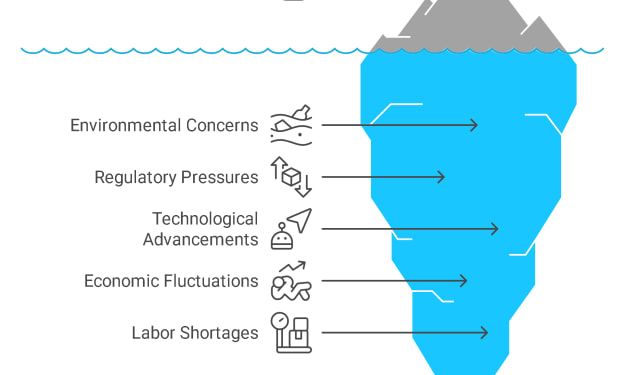
What are some major problems that the maritime/shipping industry is facing?
The maritime industry is the backbone of global trade, responsible for transporting over 90% of the world’s goods. From the smartphone in your hand to the coffee beans in your morning brew, nearly everything we use has traveled by sea. However, this critical industry is navigating turbulent waters. Rising environmental pressures, supply chain disruptions, labor shortages, and technological demands are just a few of the challenges threatening its efficiency and sustainability.
By Johnny Cash12 months ago in Journal
Author’s Advice
If you would’ve asked me 20 years ago did I know I’d become a writer and an author, I would’ve said “nope, ain’t happening”. As fate would have it I did become an author and I can honestly say I’m loving it so far. It really does feel good to be a writer. I’ve learned a lot on this journey and I feel like with even me being as new to this world as I am, there’s some wisdom I need to share with every other aspiring author.
By Joe Patterson2 days ago in Journal



Comments
There are no comments for this story
Be the first to respond and start the conversation.