
Shamis Tate Discusses How Nutrition and Exercise Influence Nerve Health
Dr. Shamis Tate Explains How a Balanced Diet and Regular Exercise Can Protect, Strengthen, and Repair Your Nerves Naturally

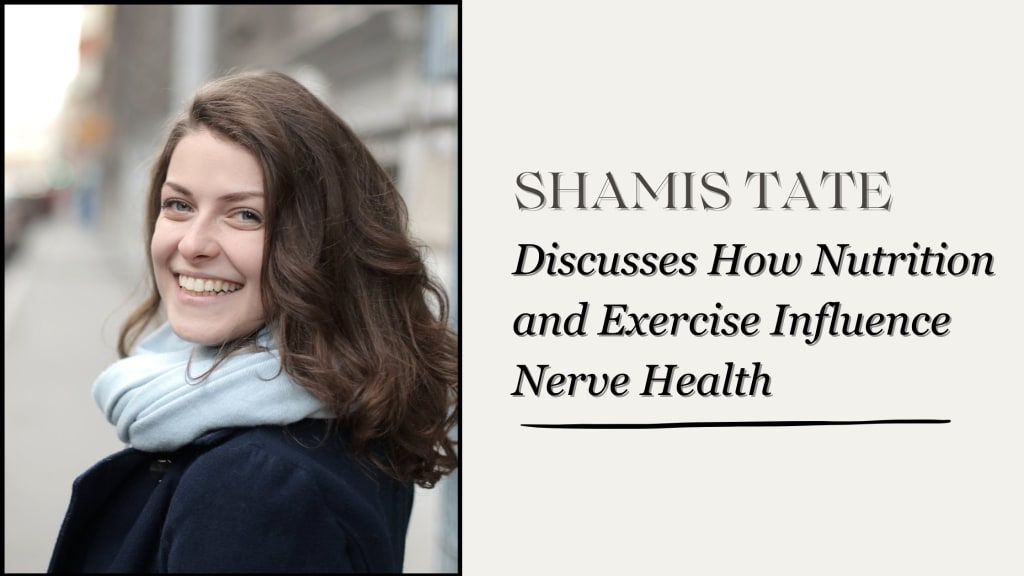
Nerve health is essential for overall well-being, as our nervous system controls movement, sensation, and vital bodily functions. Dr. Shamis Tate, a renowned neurologist, emphasizes the crucial role that nutrition and exercise play in maintaining and improving nerve health. By adopting the right lifestyle habits, individuals can protect their nerves, prevent damage, and enhance recovery from nerve-related conditions.
Understanding Nerve Health
Before diving into the influence of nutrition and exercise, it’s important to understand what nerve health entails. Nerves transmit signals between the brain, spinal cord, and the rest of the body. Healthy nerves ensure proper communication, allowing muscles to move, organs to function correctly, and sensations to be felt accurately.
Nerve damage, also called neuropathy, can result from factors like diabetes, vitamin deficiencies, physical injury, or chronic inflammation. Symptoms include tingling, numbness, pain, and weakness. Fortunately, lifestyle choices such as diet and physical activity have a measurable impact on nerve function.
Nutrition: Fueling Your Nerves
1. Essential Vitamins and Minerals
Dr. Tate highlights that certain nutrients are critical for nerve health:
- Vitamin B12: Crucial for nerve repair and the production of myelin, the protective sheath around nerves. Deficiency can cause numbness, tingling, and nerve degeneration.
- Vitamin B1 (Thiamine) and B6 (Pyridoxine): Support proper nerve function and help prevent neuropathy.
- Vitamin D: Plays a role in nerve growth and reduces inflammation.
- Magnesium: Supports nerve signaling and reduces the risk of nerve excitability and cramping.
- Omega-3 Fatty Acids: Found in fatty fish, flaxseeds, and walnuts, omega-3s protect nerve cells and support repair processes.
2. Antioxidants and Anti-Inflammatory Foods
Oxidative stress and inflammation are common contributors to nerve damage. Incorporating foods rich in antioxidants can help:
- Fruits and Vegetables: Berries, leafy greens, and citrus fruits neutralize free radicals.
- Turmeric: Contains curcumin, which has anti-inflammatory and neuroprotective properties.
- Green Tea: Rich in catechins that support nerve health.
3. Hydration and Nerve Function
Proper hydration is essential for nerve conduction. Dehydration can impair electrical signaling in nerves, leading to fatigue, cramping, and slowed reflexes. Dr. Tate recommends drinking at least 2–3 liters of water daily, adjusting for activity levels and climate.
Exercise: Strengthening Nerves Through Movement
Exercise isn’t just for muscles and the heart; it also plays a significant role in nerve health. According to Dr. Tate, consistent physical activity improves blood flow, reduces inflammation, and enhances nerve signaling.
1. Aerobic Exercise
Activities such as walking, cycling, swimming, or jogging improve cardiovascular health and increase oxygen delivery to nerves. Benefits include:
- Enhanced nerve repair
- Improved energy for nerve signaling
- Reduced risk of diabetic neuropathy
2. Strength Training
Resistance exercises strengthen muscles and support the nerves that control them. Key points include:
- Promotes neuromuscular coordination
- Reduces nerve compression risk by supporting joints
- Encourages release of growth factors that aid nerve repair
3. Stretching and Flexibility
Stretching exercises maintain nerve elasticity and prevent compression injuries. Yoga and Pilates are particularly beneficial for:
- Enhancing nerve mobility
- Reducing inflammation
- Supporting spinal and peripheral nerve health
4. Balance and Coordination Exercises
Dr. Shamis Tate emphasizes exercises that challenge balance, such as tai chi or stability training, which:
- Improve nerve-muscle communication
- Reduce fall risk
- Strengthen proprioception (awareness of body position)
The Connection Between Nutrition and Exercise
Nutrition and exercise work synergistically to support nerve health:
- Muscle Support: Proper nutrition fuels muscles, while exercise strengthens them, reducing strain on nerves.
- Inflammation Reduction: Anti-inflammatory foods combined with regular activity reduce nerve irritation and pain.
- Enhanced Repair: Nutrients like B vitamins and omega-3 fatty acids boost nerve regeneration, which is further aided by physical movement.
Dr. Tate advises integrating both into daily routines for optimal nerve protection and repair.
Lifestyle Habits for Long-Term Nerve Health
In addition to diet and exercise, several lifestyle habits contribute to healthy nerves:
- Sleep: Adequate rest allows the nervous system to repair and regenerate. Adults should aim for 7–9 hours per night.
- Stress Management: Chronic stress can damage nerves. Meditation, deep breathing, and mindfulness exercises are helpful.
- Avoiding Toxins: Limit alcohol consumption and avoid smoking, which can impair nerve function.
Regular Checkups: Monitoring blood sugar, vitamin levels, and neurological function can detect nerve issues early.
Warning Signs of Nerve Damage
Early detection of nerve issues can prevent further damage. Dr. Tate advises paying attention to:
- Persistent numbness or tingling in hands or feet
- Sharp or burning pain
- Muscle weakness or spasms
- Loss of coordination or balance
If these symptoms appear, consult a healthcare professional promptly.
Conclusion
Nutrition and exercise are powerful tools in protecting and enhancing nerve health. Dr. Shamis Tate emphasizes a holistic approach, combining a nutrient-rich diet with regular, varied physical activity. By prioritizing vitamins, antioxidants, hydration, and movement, individuals can maintain optimal nerve function, prevent damage, and support recovery.
Adopting these habits not only improves nerve health but also enhances overall well-being, energy levels, and quality of life. Small, consistent steps today can lead to lasting neurological health for the future.
About the Creator
Author’s Advice
If you would’ve asked me 20 years ago did I know I’d become a writer and an author, I would’ve said “nope, ain’t happening”. As fate would have it I did become an author and I can honestly say I’m loving it so far. It really does feel good to be a writer. I’ve learned a lot on this journey and I feel like with even me being as new to this world as I am, there’s some wisdom I need to share with every other aspiring author.
By Joe Patterson4 days ago in Journal




Comments
There are no comments for this story
Be the first to respond and start the conversation.